



Italian Polychrome Light
Italian polychrome light brings warmth and colour through hand-painted surfaces and gilt detailing.
Italian Polychrome Light
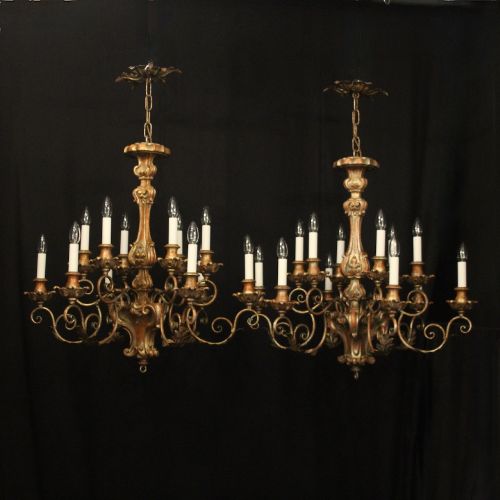
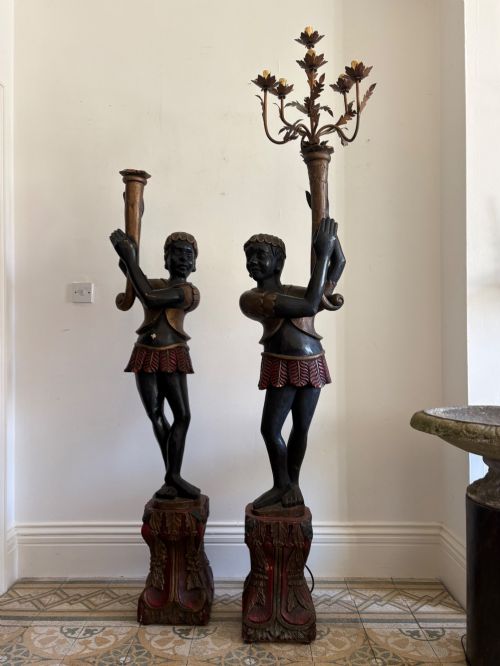
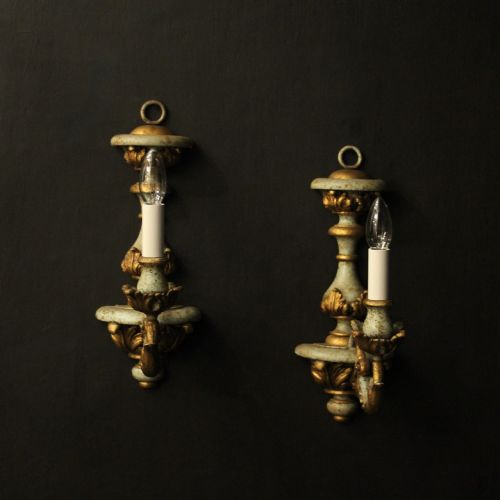
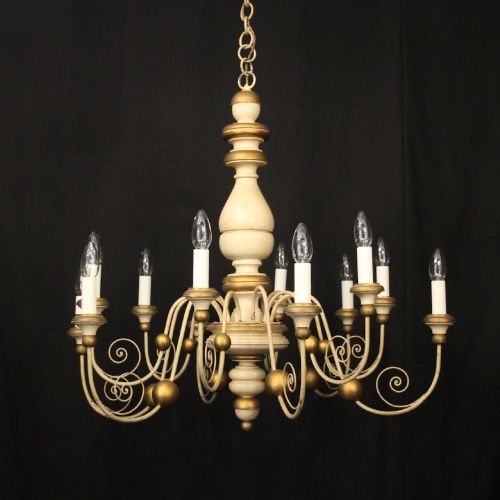
When you search for italian polychrome light, you encounter decorative lighting and candle fixtures shaped by centuries of regional design. These pieces range from grand multi-tiered chandeliers to single arm wall lights and substantial floor lamps.
The selections on this page span several eras, with prominent examples originating from the nineteenth and early twentieth centuries alongside earlier eighteenth century altar-type pieces. Regional styles such as Florentine and Venetian Baroque dominate the forms, bringing sculptural presence to interiors.
Buyers most frequently meet pairs of wall lights or chandeliers featuring carved wooden structures enriched with polychrome paint and gold leaf. These fixtures combine practical illumination with rich decorative finishes characteristic of Italian workshops.
Materials and construction
Carved wood forms the structural core of these pieces, providing a stable base for detailed ornamentation and figural carving. Artisans shaped timber into complex scrolls, floral motifs and human figures before applying surface finishes.
Gesso layers provide a smooth ground for subsequent decoration, allowing fine details to be built up before the application of paint and metal leaf. Polychrome paint finishes introduce varied colour palettes, whilst gold leaf and silver gilding add reflective highlights.
Italian Polychrome Light Retail Price Guide 2026
Typical asking prices for italian polychrome light among the pieces listed under this phrase on Sellingantiques today, from the lower quarter to the upper quarter. They describe what is for sale here now, not the wider market.
Listings feature carved wood, gesso, and gold leaf across wall lights, chandeliers, and floor lamps from the eighteenth to the twentieth centuries.
Assessing craftsmanship and condition
The refinement of the carving dictates the visual impact of each piece, distinguishing simple turnings from intricately hand-sculpted figures and foliage. Depth and crispness in the wooden elements show the hand of a skilled artisan.
The preservation of the original painted and gilded surfaces determines the character of the object. Subtle ageing and wear on the polychrome layers reveal the history of the piece without obscuring the original colour harmony.
The Italian Polychrome Light Glossary
- Polychrome paint
- Decoration executed in multiple colours upon wood or gesso surfaces. This technique brings vibrant visual depth to architectural and figural woodwork.
- Giltwood
- Timber treated with a thin layer of gold leaf over a prepared ground. It provides a luminous surface that catches candlelight and natural illumination.
- Gesso
- A plaster-like mixture applied to wooden bases to create a smooth surface for painting and gilding. It allows intricate relief details to be modelled cleanly.
- Girandole
- An ornamental bracket wall light featuring reflective elements or mirrors to multiply the effect of the candles. These fixtures combine functional illumination with decorative wall presence.
- Blackamoor
- European decorative figures carved in wood, often depicting stylised Moorish or North African subjects. They frequently serve as structural supports for standard lamps and candelabras.
Italian Polychrome Light: Frequently Asked Questions
Are these fixtures wired for modern electricity?
Many historic chandeliers and wall lights have been adapted for electrical use while retaining their original candle-holder forms. Inspection by a qualified electrician ensures safe operation within modern standards.
Some pieces remain configured for candles or require professional rewiring to match your domestic setup.
How do I identify a Florentine style light?
Florentine pieces often feature ornate carved foliage, scrollwork and rich combinations of polychrome paint and gold leaf. The decoration emphasises warmth and decorative abundance.
These designs frequently appear in multi-arm chandeliers and wall sconces dating from the early twentieth century.
Where should I place a standard lamp in a room?
Figural standard lamps and floor-standing candelabras make strong focal points in corners or beside seating areas. Their height provides ambient illumination and fills vertical space.
Ensure placement protects delicate carved wooden elements from heavy foot traffic or accidental knocks.