


Italian Picture Frame
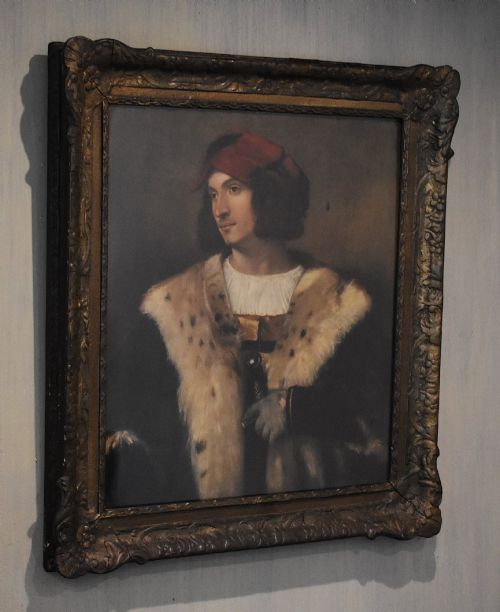
When you search for an italian picture frame, you are looking at elaborate carved wooden borders designed to hold paintings, mirrors or photographs.
Italian Picture Frame
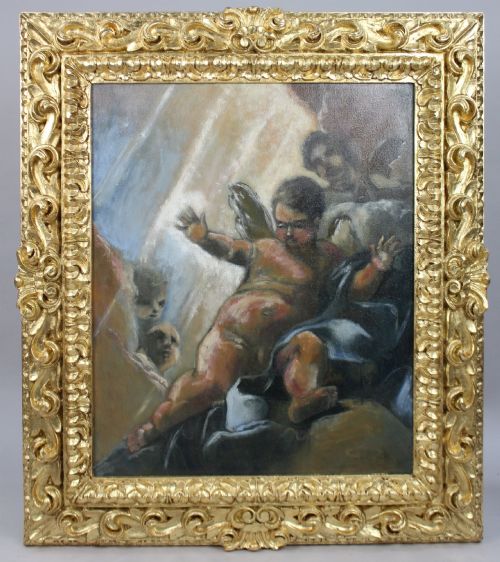
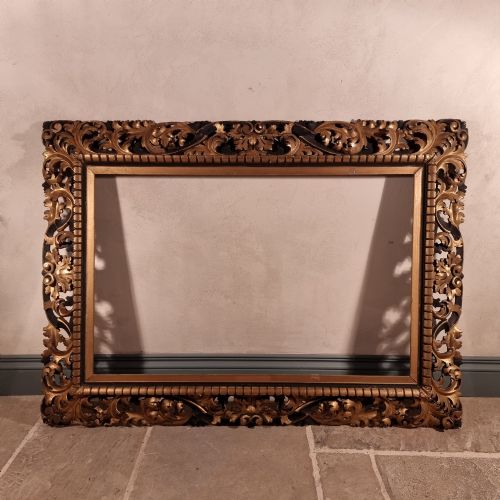
An italian picture frame brings classical architectural ornament and rich surface gilding into domestic interiors, often housing oil paintings, watercolours or mirrors. These objects range from seventeenth-century cassetta formats to nineteenth-century Florentine and Baroque revivals.
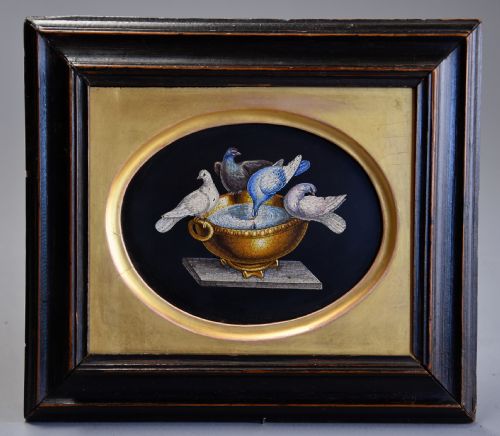
Buyers encounter substantial carved wooden surrounds covered in gold leaf alongside delicate silver photograph holders and ornate micromosaic plaques. The selection spans grand antique giltwood wall pieces to mid-century silver designs.
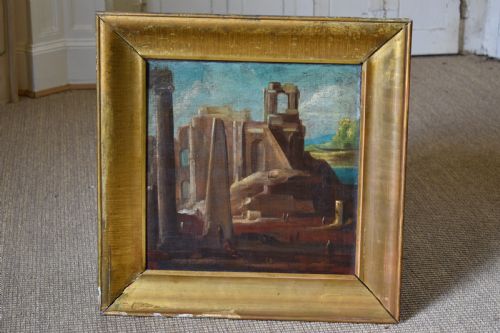
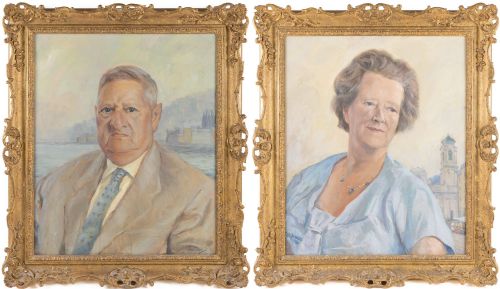
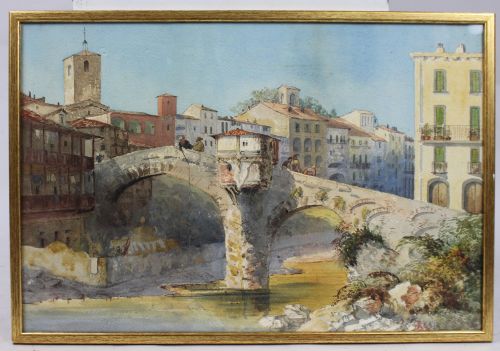
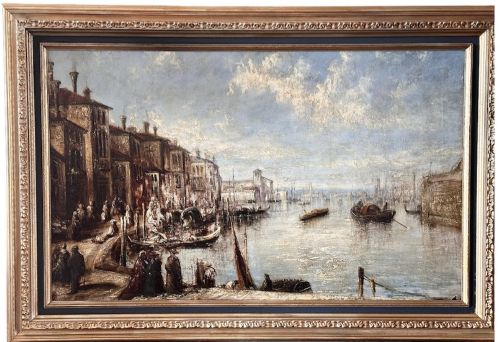
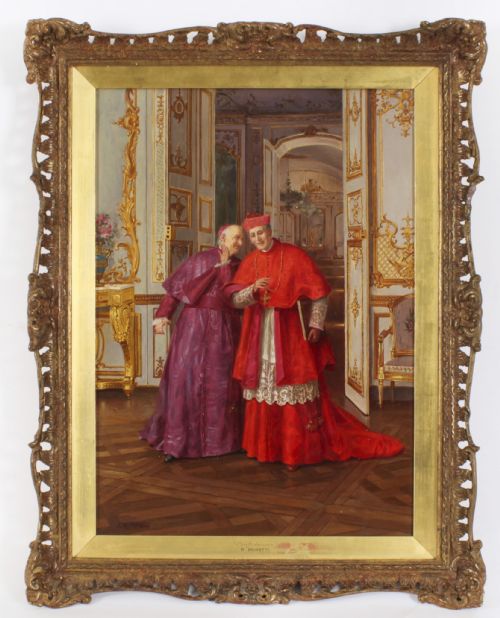
Many examples arrive paired with period canvases, watercolours or prints depicting Venetian canals, pastoral landscapes and portraits. The form serves as both a structural boundary and a decorative sculpture in its own right.
How they were made
Makers shaped structural carcases primarily from wood, applying layers of gesso to smooth the surface before adding intricate carved details. Craftsmen then applied gold leaf or silver to create brilliant reflective finishes across swept, pierced or moulded profiles.
Specialist workshops utilised techniques such as pietra dura inlay, micromosaic tile assembly and reverse glass painting to enrich the visual depth of the surrounds. Joinery relied on traditional pegged or mitred corners built to support heavy canvases and glass plates.
What varies in quality
Depth and precision of hand-carved ornamentation separate standard mouldings from superior examples, where crisp acanthus leaves and deep undercut scrolls show the hand of a skilled artisan. The integrity of the original gesso and gold leaf surface determines the visual warmth and authenticity of the piece.
The weight and quality of the timber core dictate the durability of the frame, with dense woods supporting complex architectural projections without warping. Superior pieces retain their original backing boards, glass and fitting mechanisms intact from their period of manufacture.
Francis Moltino·Attilio Toro·William Raymond Dommersen·Alfred Pollentine
The Italian Picture Frame Glossary
- Giltwood
- Wood covered with a thin layer of gold leaf or gold powder. This finish ages to a warm, mellow tone over centuries.
- Cassetta
- A flat-profile wooden frame with raised inner and outer mouldings. It is typical of Renaissance furniture and picture mounting.
- Pietra dura
- An artistic technique using cut and fitted polished coloured stones to create geometric or figurative designs. It often appears as inlaid panels within stone or wooden frames.
- Micromosaic
- Composed of tiny coloured glass tesserae assembled to form intricate pictorial scenes. These panels frequently decorate nineteenth-century plaques and photo surrounds.
- Florentine style
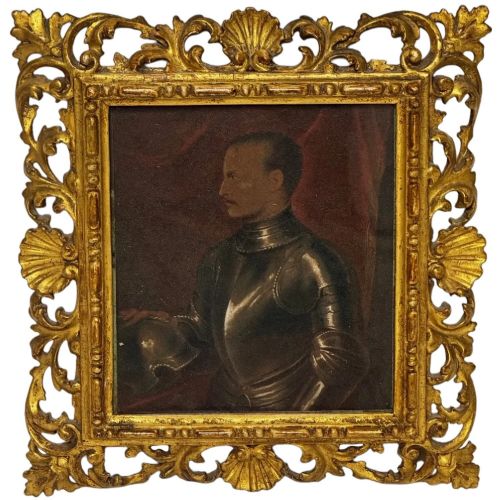
- Characterised by deeply carved, pierced scrollwork and rich leaf gilding originating from workshops in Florence. These surrounds often feature prominent corner cartouches and openwork borders.
Italian Picture Frame: Frequently Asked Questions
How do I date an antique italian picture frame?
Dating relies on examining the wood substrate, the composition of the underlying gesso layers, and the style of the carving. Renaissance and Baroque examples show heavier timber construction and hand-chiselled detailing, while later revivals often adopt lighter pine bases with pressed composition ornament.
Hardware components such as handmade nails, screws, and backboards also offer clues to the age of the piece. Comparing the rebate construction and gilding wear patterns against documented examples helps confirm the period.
How should I hang a heavy giltwood frame?
Large carved wooden surrounds require secure wall fixings anchored directly into masonry or heavy studwork using appropriate steel brackets or mirror plates. Due to the substantial weight of dense timber cores and plaster gesso, wire alone is rarely sufficient for wall safety.
Professional installers often employ a split-batten system to distribute the load evenly across the top rail of the structure. Ensuring the frame rests flush against the wall prevents twisting stress on the mitred corners.
Can I put a modern mirror inside an antique frame?
Placing a modern mirror plate inside an antique surround is a common practice that transforms the object into a functional wall glass. Conservators ensure the rebate depth can accommodate the thickness of the mirror glass and protective backing without damaging historical wood surfaces.
It is important to select a mirror plate weight that matches the structural capacity of the original wooden mitres. Retaining original mounting clips where possible preserves the integrity of the rebate.