

Italian Marble Souvenir
An italian marble souvenir brings home the weight of classical antiquity through miniature architectural models, carved figures, and specimen stones collected on the Grand Tour.
Italian Marble Souvenir
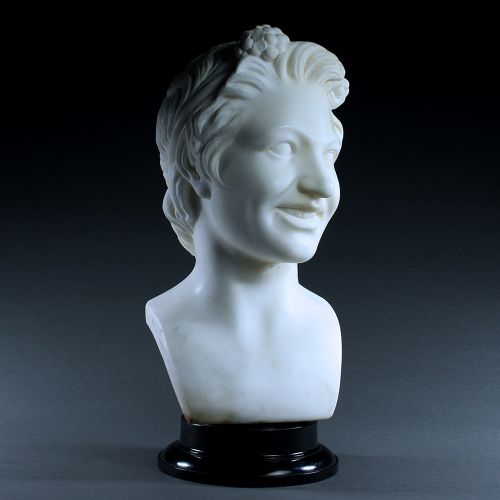
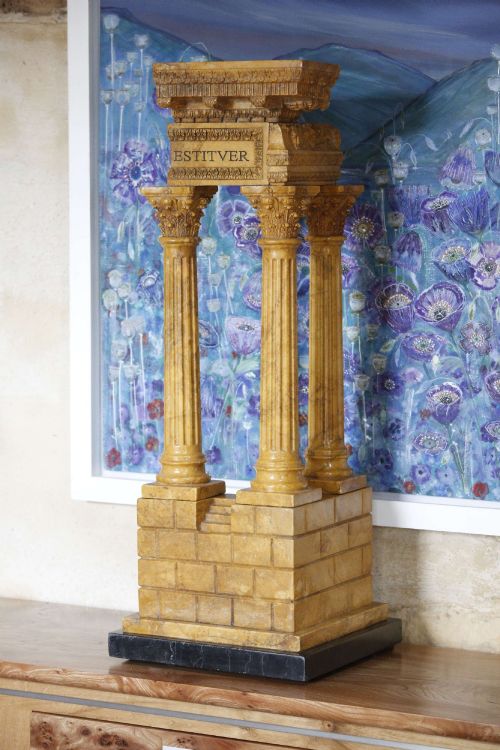
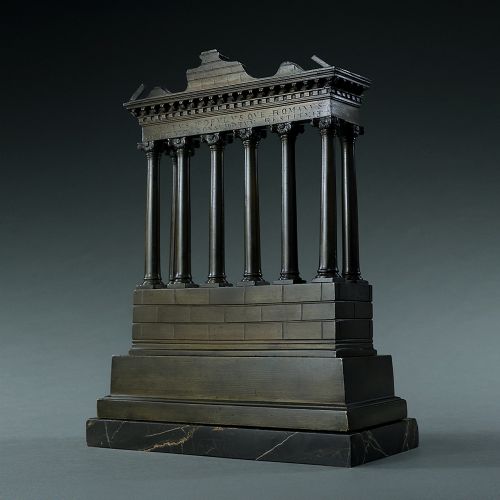
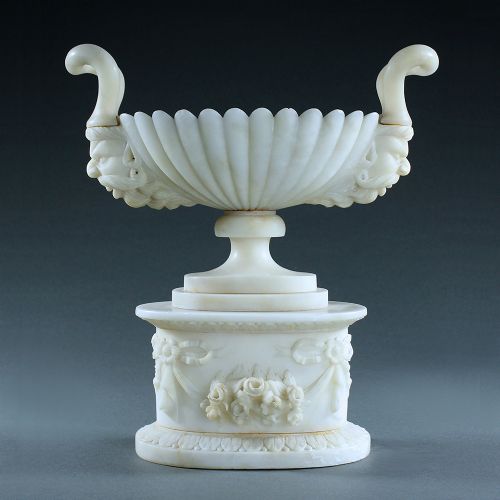
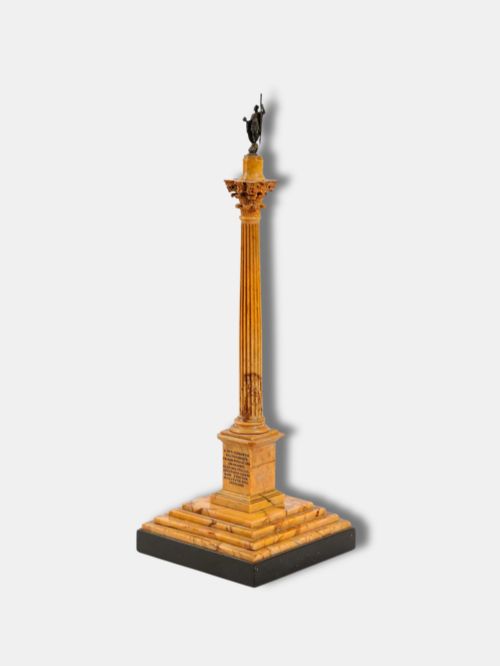
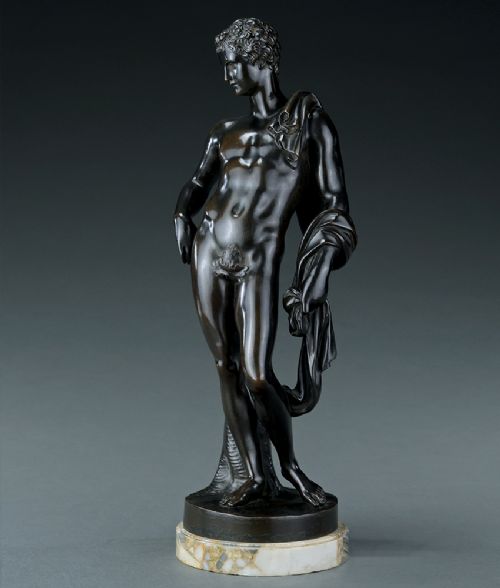
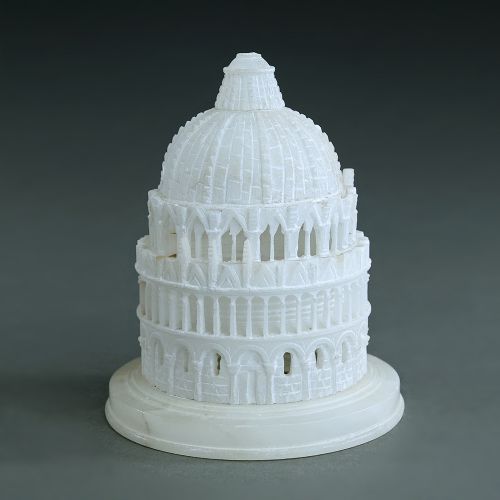
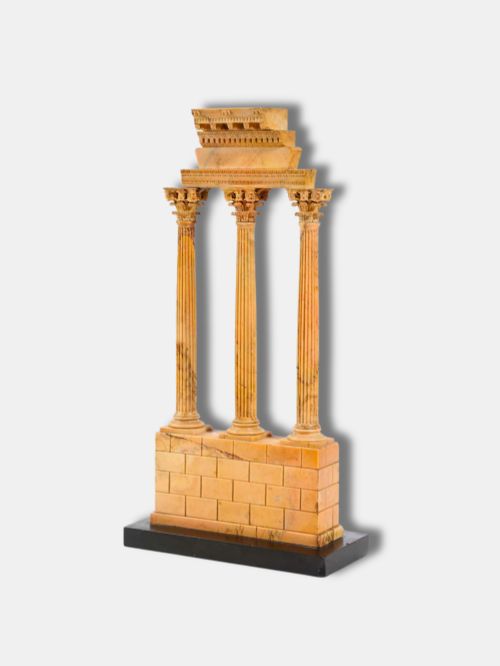
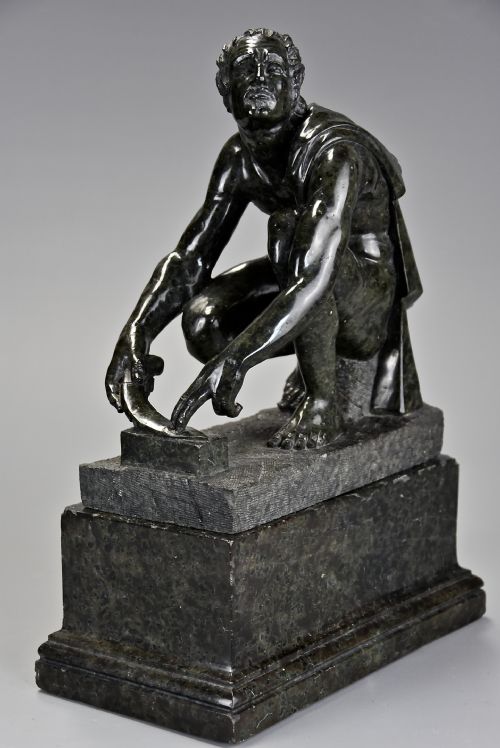
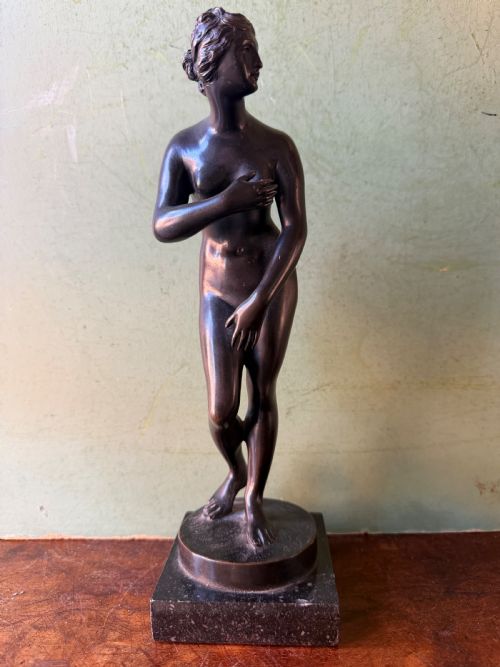
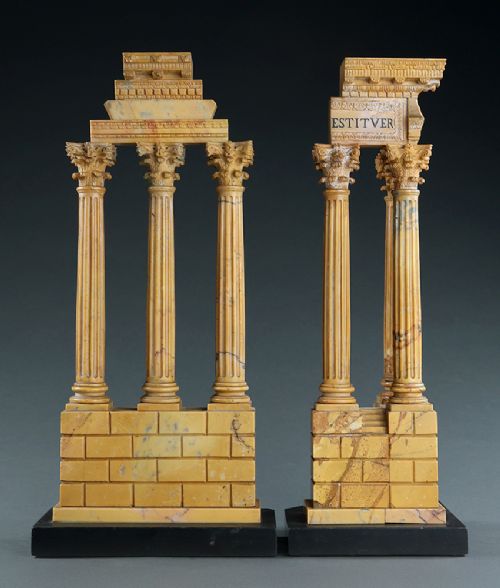
An italian marble souvenir takes the form of architectural models, carved figures, tazzas, and paperweights produced during the nineteenth century. Travellers returning from Rome, Naples, and Florence purchased these objects to record their travels through classical sites and museum collections. The most common examples on this page are carved stone models of ancient temples, columns, and public monuments alongside bronze figures mounted on marble plinths.
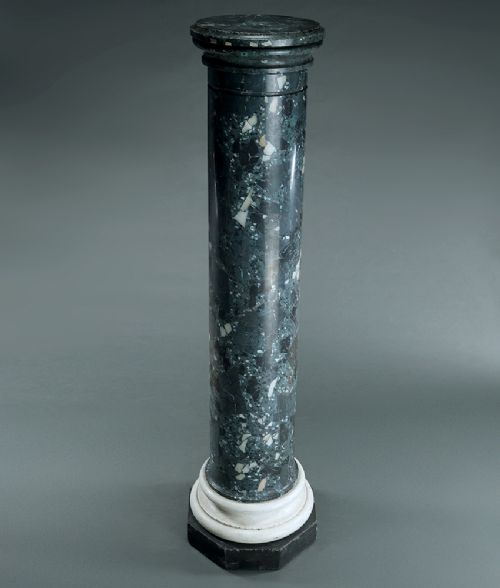
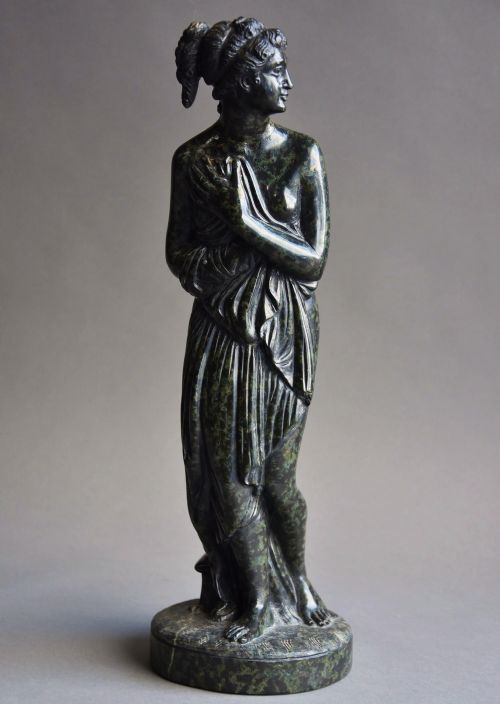
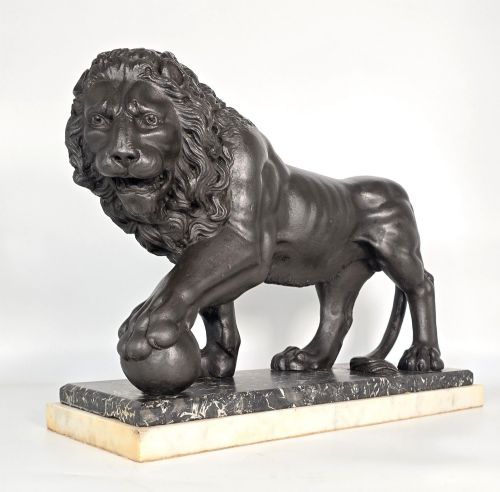
The materials reflect the geology of Italy and the ancient world, drawing upon coloured marbles, alabaster, serpentine, and pietra dura work. Makers reproduced well-known statues such as the Medici Lions, the Borghese Gladiator, and works after Antonio Canova in reduced scales for domestic display. These pieces served as scholarly ornaments for libraries and drawing rooms across Britain and Europe during the Victorian era.
How they were made
Carvers shaped stones including alabaster, serpentine, and varieties of coloured marble such as giallo antico and Siena using saws, chisels, and abrasive powders. Architectural models required precise geometric calculation to replicate ruins and columns accurately at a smaller scale.
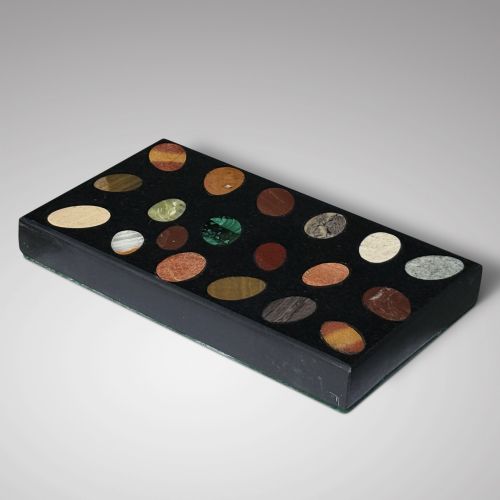
Foundries cast bronze figures using the lost-wax method, chasing the surface details by hand before mounting the metal onto shaped marble plinths. Craftsmen also inlaid hardstones into black marble bases for pietra dura pictures and paperweights, assembling complex pictorial designs from coloured mineral slices.
Italian Marble Souvenir Retail Price Guide 2026
Typical asking prices for italian marble souvenir among the pieces listed under this phrase on Sellingantiques today, from the lower quarter to the upper quarter. They describe what is for sale here now, not the wider market.
Dogs of Alcibiades share shelf space with sleeping gods of sleep and miniature canine models in green serpentine.
What varies in quality
The distinction between tiers rests upon the sharpness of the carving and the fidelity of the reduction from the ancient prototype. Superior architectural models capture the precise capitals of columns and the weathering of stone ruin sites, whereas simpler versions rely on generalized block forms.
Antonio Canova·Messina Roma
The Italian Marble Souvenir Glossary
- Grand Tour
- A traditional journey through Italy undertaken by European travellers to study classical art and architecture. These souvenirs were the tangible results of that educational pilgrimage.
- Pietra Dura
- A method of inlaying cut and fitted polished coloured stones into a dark stone base to create pictorial images. This technique appeared on table tops, boxes, and paperweights.
- Giallo Antico
- A deep yellow antique marble quarried in ancient times and prized by nineteenth-century carvers for architectural models and columns. Its warm tone mimics the aged appearance of classical ruins.
- Serpentine
- A dark green silicate mineral resembling snakeskin, used extensively for carved figures and architectural bases. The stone polishes to a smooth finish that contrasts with white marble.
- Labrum
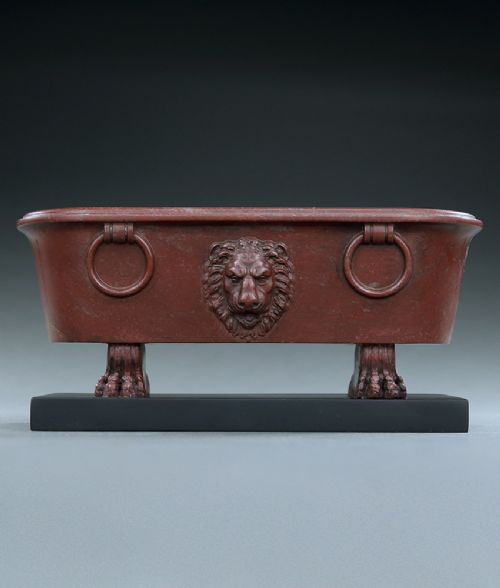
- A large circular basin or shallow vessel modelled after Roman domestic or public water fittings. These carved stone objects often sat upon decorative pedestals.
- Tazza
- A shallow ornamental cup or vase raised on a stem and foot, frequently rendered in marble or bronze. They were modelled after ancient vessels discovered in excavations.
Italian Marble Souvenir: Frequently Asked Questions
What is an italian marble souvenir?
These objects are nineteenth-century decorative pieces purchased by travellers on the Grand Tour as mementos of classical sites in Italy. They include miniature architectural models, carved stone figures, and inlaid paperweights.
Craftsmen in Rome, Florence, and Naples produced them in workshops using local marbles, alabaster, and cast bronze to satisfy the demand for portable classical art.
How were these souvenirs used?
Victorian collectors displayed these pieces in studies, libraries, and drawing rooms as evidence of their travels and classical learning. Architectural models and bronze figures served as conversation pieces on mantelpieces and tabletops.
Smaller items like paperweights and inkstands fulfilled practical functions on writing desks while maintaining an academic aesthetic.
How do I identify the subject of a model?
Many architectural pieces represent specific Roman structures such as the Temple of Castor and Pollux, the Phocas Column, or the Foro Romano. Inscribed bases or distinctive ground plans often identify the exact ruin.
Figurative pieces frequently replicate famous sculpture from Italian museums, such as the Medici Lions, Canova's dancers, or antique gladiators.