



Italian Grand Tour Artwork
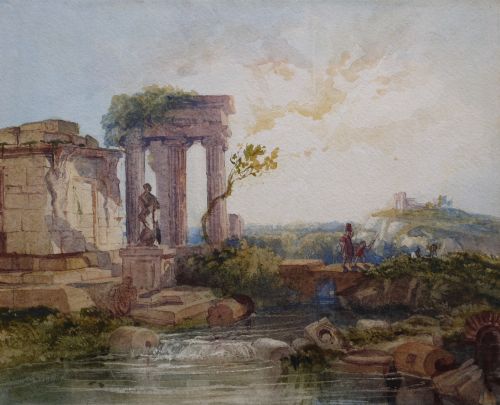
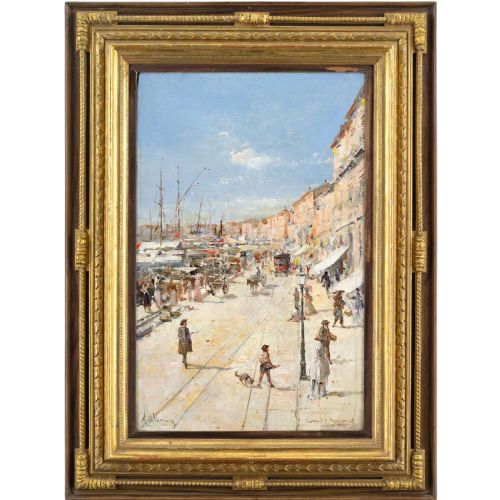
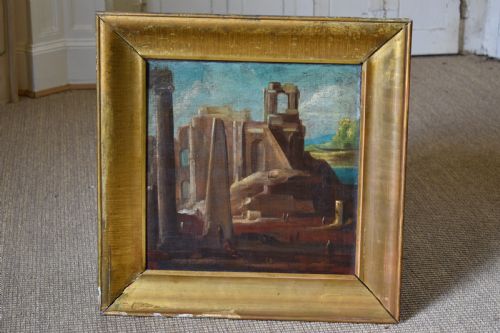
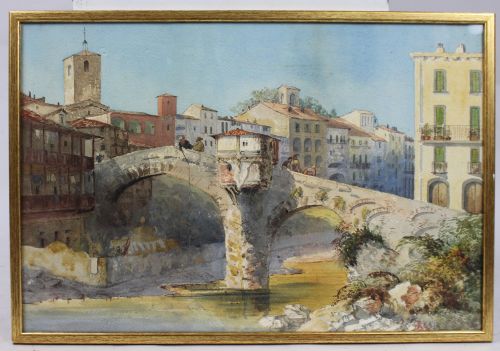
These pieces of italian grand tour artwork capture the classical ruins, sunlit landscapes and Venetian canals that travellers brought home from the peninsula.
Italian Grand Tour Artwork
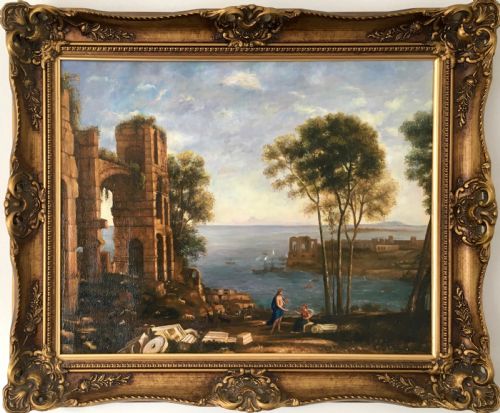
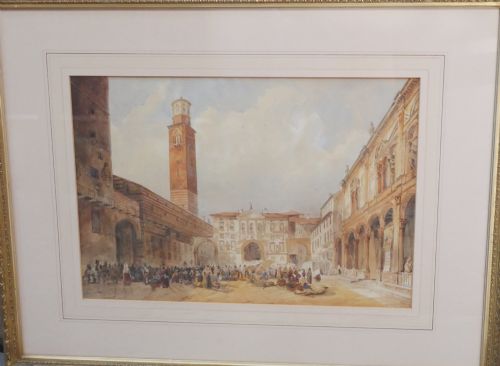
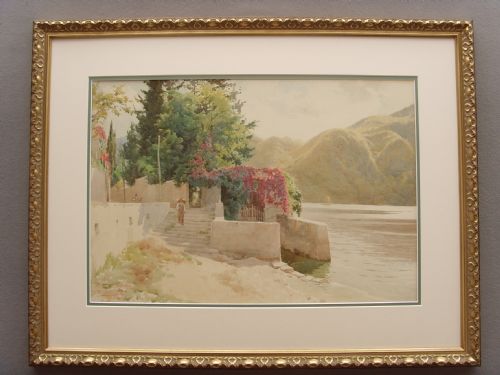
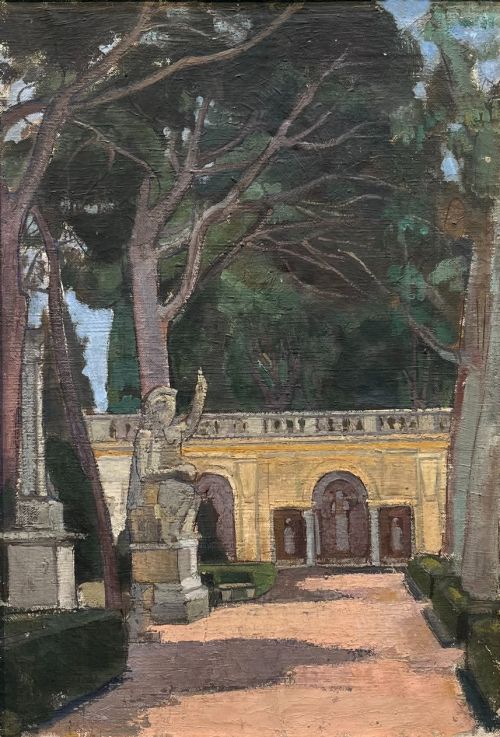
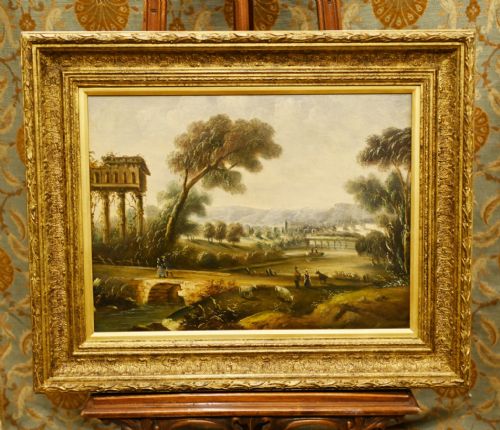
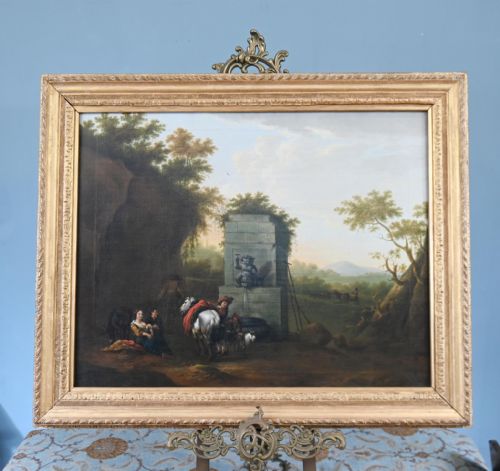
When you search for italian grand tour artwork, you encounter paintings, watercolours, gouaches and prints produced to commemorate travels across Italy during the eighteenth and nineteenth centuries. The majority of pieces on this page stem from the nineteenth century, capturing classical ruins, Roman architecture and Venetian waterways in mediums ranging from delicate paper works to oil on canvas.
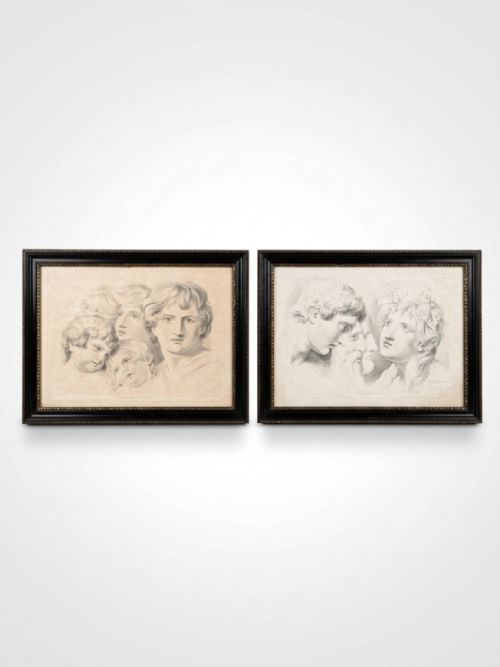
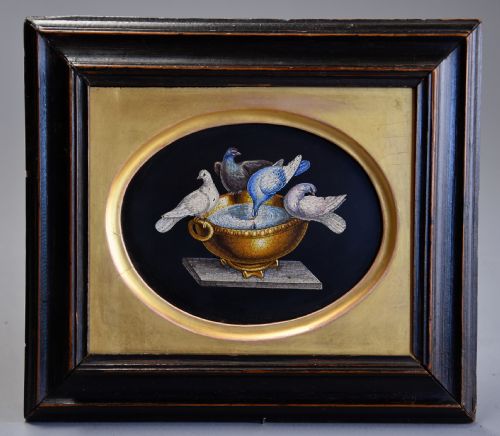
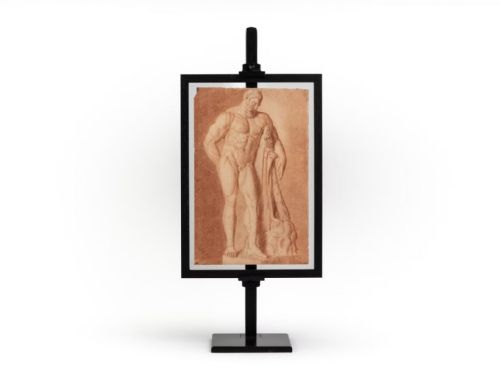
Subjects frequently centre on famous sites such as the Colosseum, the Forum, the Bridge of Sighs and the Bay of Naples, often executed by local artists or visiting British painters working in Rome and Venice. Alongside framed watercolours and oil paintings, you find sets of architectural prints, red chalk drawings and micromosaic plaques depicting famous ancient motifs.
These creations served as tangible mementos for travellers completing their education or leisure journeys through the cultural centres of Europe. They preserve a distinct view of Italy through the eyes of artists who catered to this educated clientele.
Materials and methods
The materials reflect the portable nature of travel souvenirs, relying heavily on paper for watercolours, gouaches and red chalk drawings, alongside canvas for oil paintings. Artists utilised watercolour and bodycolour to render the bright light of southern Italy quickly and effectively, often mounting sheets in giltwood or ebonised frames.
Oil paintings employ traditional canvas supports, with pigment handling varying from smooth academic finishes in Venetian townscapes to broader, atmospheric strokes in pastoral landscapes. Engravings and prints utilise inked plates pressed onto paper, frequently hand-coloured to mimic the vibrancy of original watercolours.
Specialist decorative techniques also appear, including pietre dure marble pictures composed of inlaid stone fragments and micromosaic plaques assembled from tiny glass tesserae. These required meticulous craftsmanship by artisans working in specialised urban workshops.
Listings feature paper, canvas, and marble, spanning watercolours, oil paintings, engravings, and micromosaic plaques.
Judging the standard
Quality in italian grand tour artwork rests upon the skill of the draughtsmanship and the fidelity of the perspective, particularly in architectural views where proportion matters immensely. Works by documented painters or identified members of the British School in Rome demonstrate superior handling of light and shadow compared to anonymous souvenir pieces.
The condition of the medium also dictates the standard, with watercolours susceptible to fading from sunlight and paper prone to foxing over time. Original framing, such as period giltwood surrounds or ebonised housings with minimal restoration, elevates the integrity of the piece.
Richard Principal Leitch·Augusto Alberici·Franz Knebel·E. Perez Senet·Jane Vivian·Alfred Pollentine·Vittore Zanetti Zilla·Charles H Poingdestre·Ettore Ascenzi·Guido Agostini·Giovanni Ottaviani·Francesco Piranesi·Giovanni Paolo Panini·Jan Miel·Francesco Guardi
The Italian Grand Tour Artwork Glossary
- Gouache
- An opaque watercolour paint that dries to a matte finish, frequently used in nineteenth-century Neapolitan landscape sets for its vivid colour saturation. It allows for rapid application while retaining dense, opaque highlights.
- Capriccio
- An architectural fantasy placing together classical ruins, buildings and other architectural elements in a fictional combination for compositional effect. Artists often populated these scenes with small figures to indicate scale.
- Pietre dure
- A method of inlaying cut and fitted polished coloured stones to create pictorial images, seen here in marble pictures of figures. The technique demands precise stone-cutting and meticulous assembly.
- Micromosaic
- An artisanal craft using tiny glass rods fused together and sliced to create microscopic pictorial tiles, forming detailed miniature plaques. These were commonly mounted in frames as portable keepsakes.
- Red chalk
- A dry drawing medium made from iron oxide haematite, used for figure studies and classical sketches such as antique sculpture. It allows artists to model three-dimensional form through varied hatching.
Italian Grand Tour Artwork: Frequently Asked Questions
What is italian grand tour artwork?
These pieces comprise paintings, watercolours, drawings and prints created in Italy or by visiting artists during the eighteenth and nineteenth centuries. Travellers collected them as visual records of their educational journeys through historic cities and classical sites.
They document specific landmarks, ruins and coastal towns, functioning as both personal mementos and portable examples of European fine art.
How were watercolours and gouaches used?
Artists produced watercolours and gouaches to capture bright Mediterranean light and topography quickly for foreign travellers. They were lightweight, easily packed into luggage and readily framed upon the owner's return home.
Many were sold individually or assembled into matching sets depicting popular tourist routes across Rome, Naples and Venice.
How should I display these in my home?
These works suit traditional interiors, studies or hallways, hung at eye level to appreciate the fine details of the architecture and landscape. Because works on paper remain sensitive to direct sunlight, positioning them away from bright windows preserves the pigments.
Pairing framed watercolours with period giltwood or ebonised frames enhances their historical character within a room.
How do I tell watercolours from gouaches?
Watercolours are translucent, allowing the white of the paper to shine through the washes and create a luminous effect. Gouaches contain an added white pigment that makes the paint opaque and flat, giving it a heavier, more saturated appearance.
Artists frequently combined both mediums on a single sheet to create highlights and depth in architectural scenes.