




Italian Gilded Mirror
An italian gilded mirror brings warmth and ornate craftsmanship into a room, drawing the eye with carved detail and reflective depth.
Italian Gilded Mirror
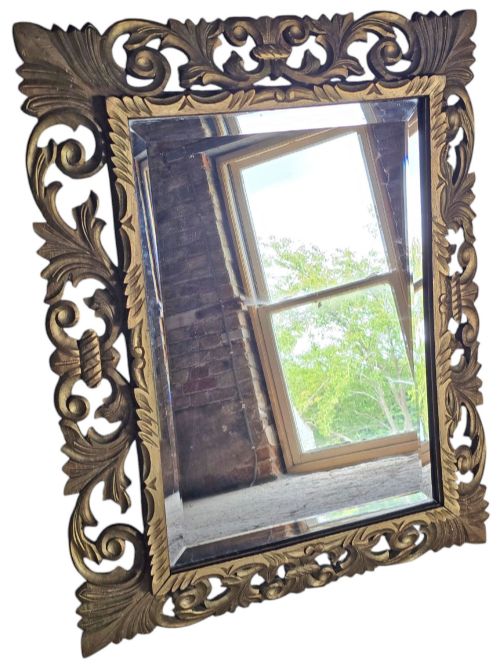
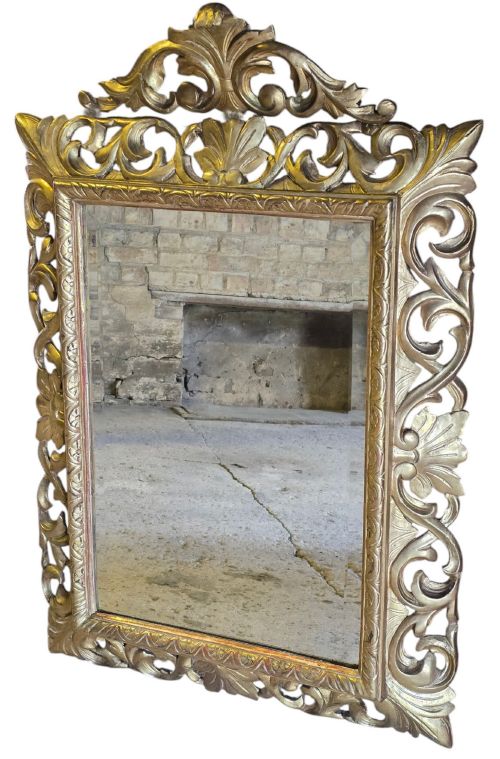
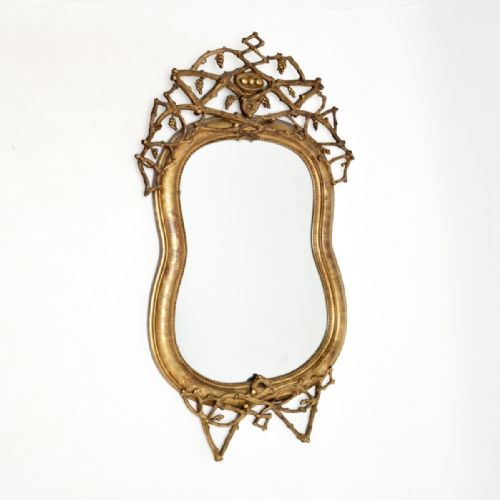
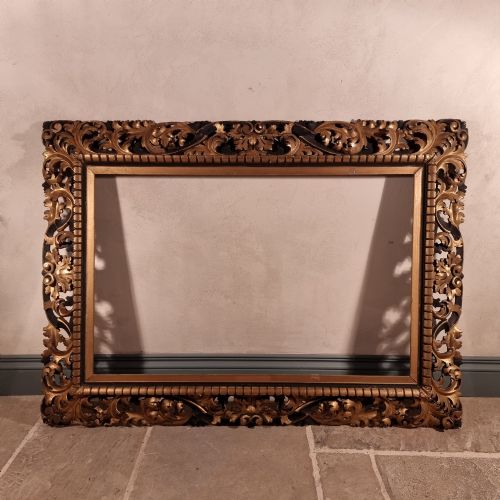
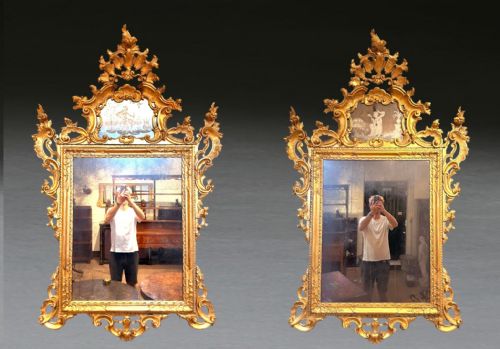
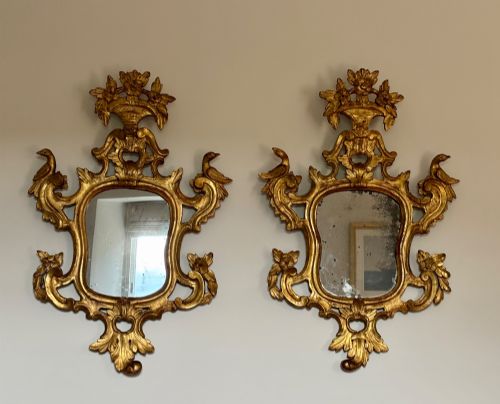
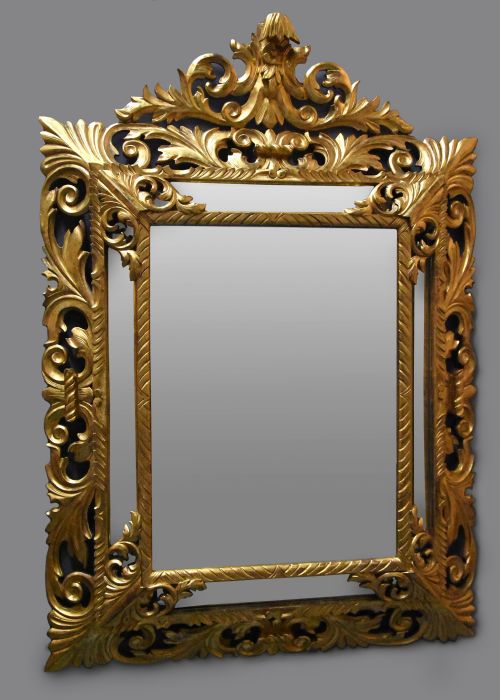
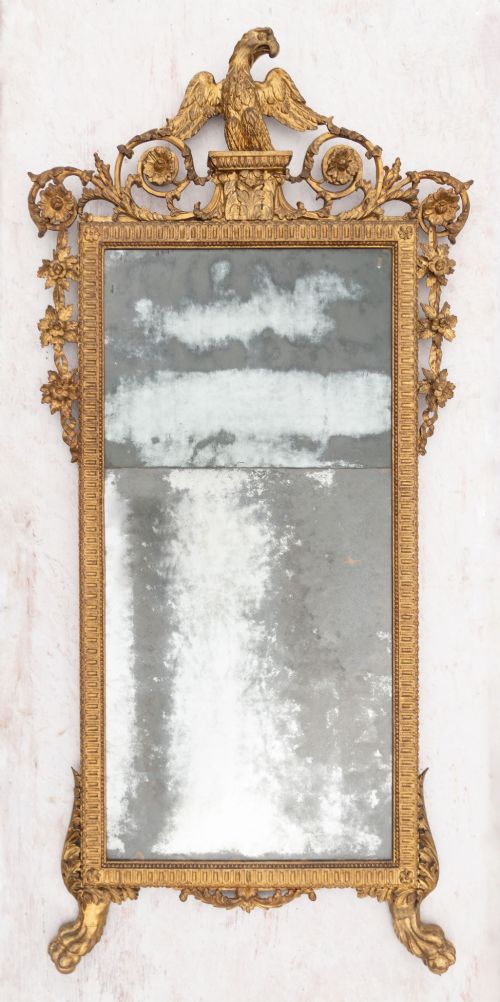
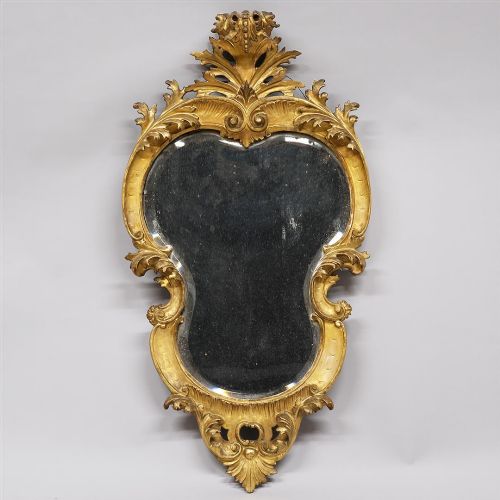
When searching for an italian gilded mirror, you encounter wall mirrors, overmantels, and girandoles spanning the eighteenth, nineteenth, and early twentieth centuries. The selection encompasses regional expressions such as Florentine frames and Venetian wall pieces.
Most examples you meet on this page date from the nineteenth century, alongside eighteenth-century cartouche forms and early twentieth-century interpretations. These range from large statement overmantel pieces to smaller table mirrors and picture frames.
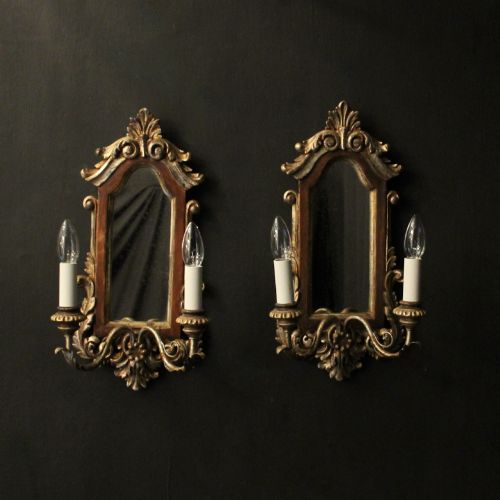
The forms extend beyond simple looking glasses to include console tables and girandole mirrors featuring twin arms or carved crests. Regional styles lean heavily towards Italian Rococo and Baroque revivals.
Materials and Construction
Makers shaped the underlying structure from wood, utilising carved wood and gesso to build up intricate relief decoration before applying gold leaf or paint surfaces. Some pieces incorporate silver and gold leaf or glass plates with engraved details.
Traditional water gilding techniques created brilliant reflective surfaces on the gesso and wood substrate, while later or alternative items display painted highlights or simulated finishes. Original gilding often shows signs of age such as foxed plates.
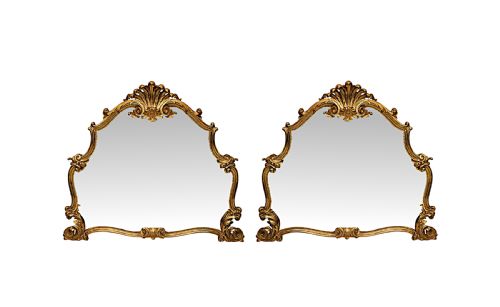
Carving varied from deep foliate scrolls on Rococo cartouche frames to cushion mirrors and ornate mask pediments. Structural woods supported heavy gilding, occasionally accompanied by marble tops on associated console tables.
Listings feature Italian mirrors spanning from the seventeenth century through the 1930s, utilising carved wood, gesso, and gold leaf.
Assessing Quality and Craftsmanship
Quality rests upon the depth and crispness of the wood carving, distinguishing hand-carved relief work from softer moulded gesso applications. Superior pieces exhibit spirited asymmetrical scrollwork and finely detailed acanthus leaves.
The integrity of the surface finish plays a major role, with original water gilding and period mirror glass holding greater appeal than later re-gilding. Engraved plates and verre eglomise highlights demonstrate higher workshop skill.
Proportion and scale dictate the visual impact of an overmantel or wall mirror, where balanced dimensions and robust framing timber denote superior workshop origin.
Ciceri And Co
The Italian Gilded Mirror Glossary
- Giltwood
- Wood that has been coated with gold leaf or gold paint. This forms the primary lustrous surface on traditional frames.
- Gesso
- A plaster mix applied to wood surfaces as a base for carving and gilding. It allows for sharp, intricate moulded or carved details.
- Cartouche
- An ornamental frame resembling a scroll or paper sheet with rolled edges. This form frequently defines eighteenth-century Italian mirrors.
- Girandole
- A branched wall mirror designed to hold candles. The reflective glass enhances the candlelight within the room.
- Overmantel
- A large mirror intended to hang above a fireplace mantel. These pieces often serve as dominant decorative wall fixtures.
- Foxed
- Age spots and discoloration appearing within the mirror glass. This chemical change occurs naturally over long periods.
Italian Gilded Mirror: Frequently Asked Questions
How do I date an antique Italian mirror?
Dating relies on examining the construction methods, the composition of the gesso, and the style of the wood carving. Eighteenth-century pieces often feature distinct cartouche shapes and hand-carved frames.
Later nineteenth-century examples lean towards revival styles with heavier crests. Examining the backboards and the mirror glass itself also helps determine age.
What is a girandole mirror?
A girandole is a wall mirror equipped with attached candle sconces or arms. The candles reflected light back into the room before electric lighting.
These pieces combine functional illumination with decorative carved framing.
Should I replace foxed mirror glass?
Foxing represents the natural ageing of the silver backing inside the glass plate. Many collectors prize original foxed glass because it confirms the antiquity of the piece.
Replacing the plate removes part of the historic character and authenticity.