



Italian Fine Art
When you search for italian fine art, you enter a rich world of canvases and watercolours that capture centuries of Mediterranean craft and portraiture.
Italian Fine Art
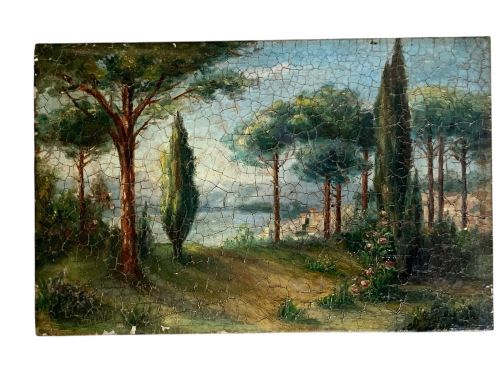
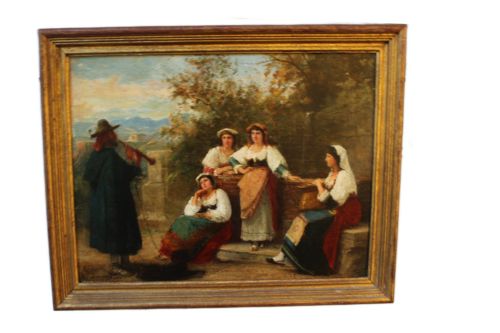
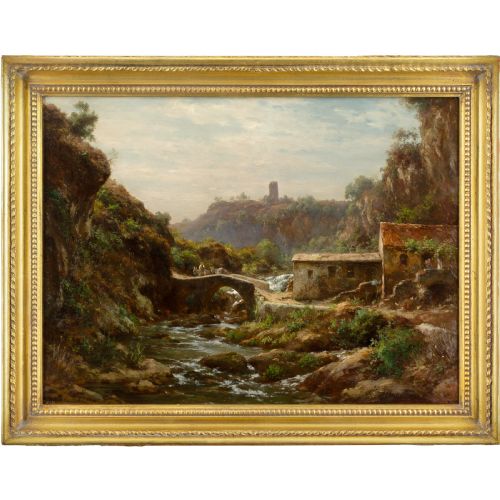
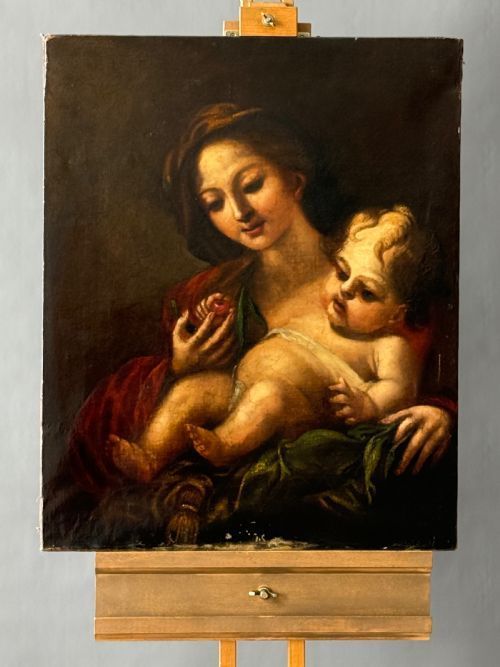
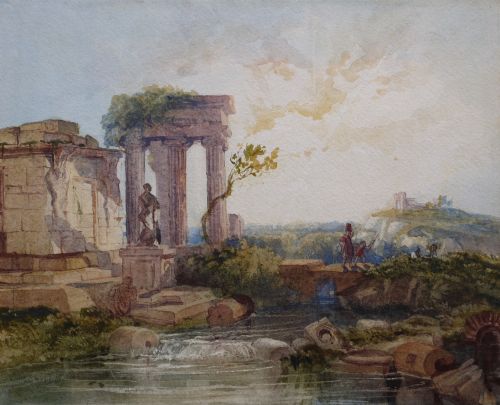
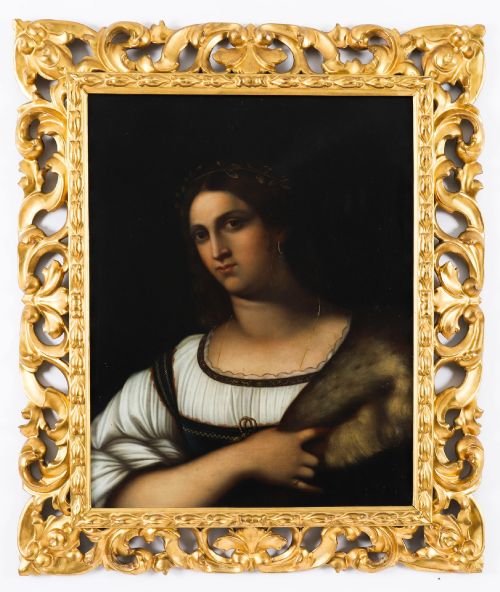
Italian fine art encompasses a diverse array of oil paintings, watercolours, and drawings spanning from the seventeenth century through to the early twentieth century. These works frequently draw inspiration from classical antiquity, religious iconography, and picturesque regional landscapes.
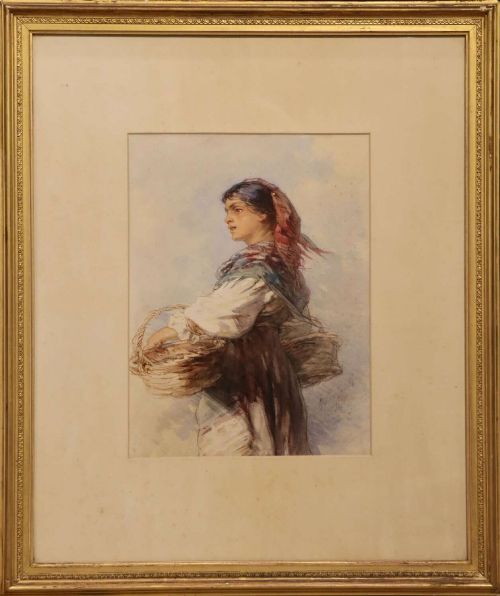
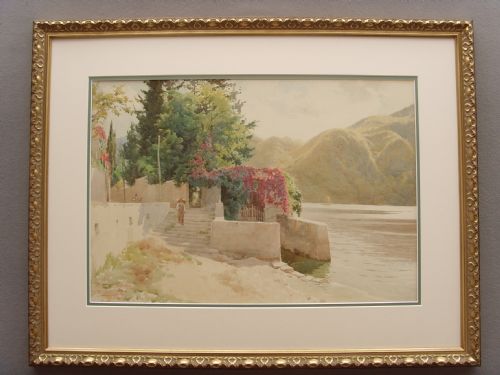
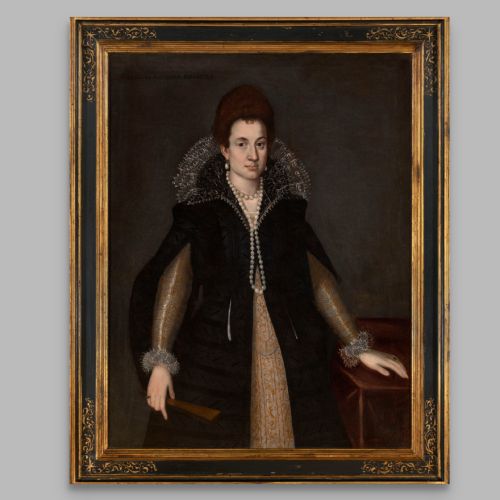
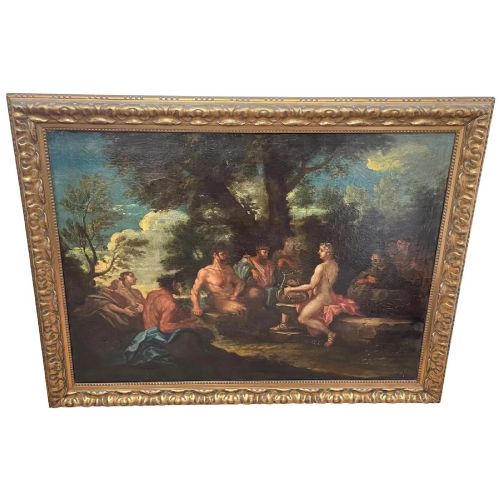
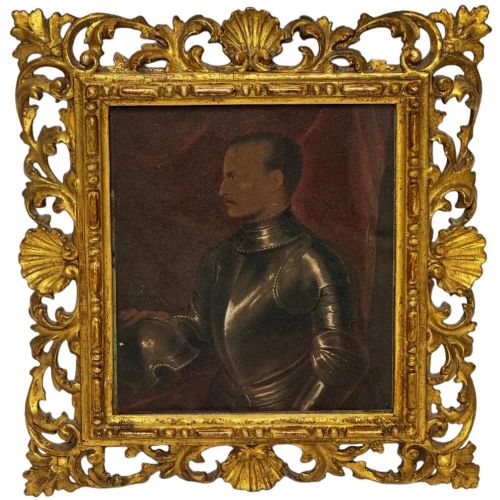
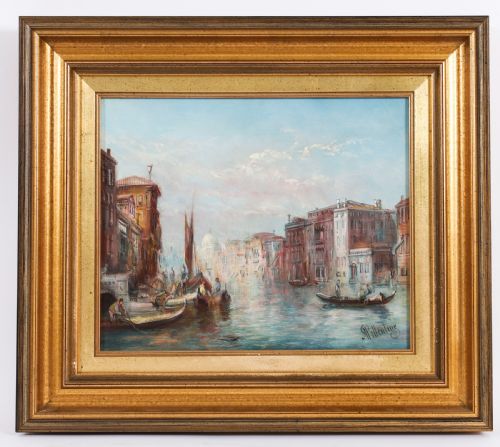
Buyers encountering this selection will discover everything from grand Old Master portraits and mythological scenes to vibrant watercolours depicting Venetian lagoons and Neapolitan fisherfolk. Many pieces reflect enduring academic traditions or the direct influence of major Renaissance and Baroque masters.
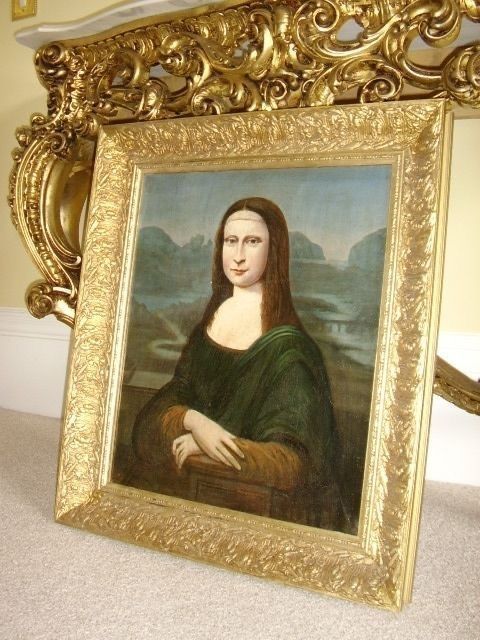
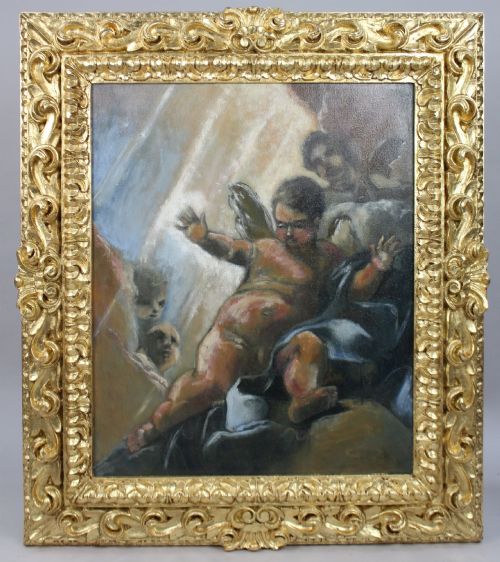
The objects vary considerably in scale and medium, ranging from intimate pastel drawings on paper to substantial oil paintings on canvas set within carved giltwood frames. Each piece acts as a tangible window into the historical studios and schools of Rome, Venice, and Naples.
Materials and Techniques
The primary vehicle for these works is oil paint applied to canvas or wood panel, utilising rich pigments that allow for deep chiaroscuro and luminous tonal shifts. Artisans also employed delicate watercolours on paper to capture the bright, translucent light of Italian vistas.
Substantial carved giltwood and gold leaf frames frequently enclose the canvases, providing structural definition and decorative weight that complements the painted imagery. These traditional framing techniques enhance the preservation and visual impact of the historic artworks.
Italian Fine Art Retail Price Guide 2026
Typical asking prices for italian fine art among the pieces listed under this phrase on Sellingantiques today, from the lower quarter to the upper quarter. They describe what is for sale here now, not the wider market.
Several artists clearly enjoyed painting Vesuvius smoking away in the background of almost every single Neapolitan fishing scene.
Judging Quality
Quality within this category rests upon the dexterity of brushwork, the subtlety of composition, and the fidelity of the execution to its period style. Superior examples demonstrate a confident handling of light and human anatomy, whether in an imaginative mythological scene or a direct portrait study.
The integrity of the original surface, alongside the harmonious pairing with a period-appropriate carved frame, significantly elevates a work's standing. Condition plays a role, yet the true differentiator remains the artist's ability to convey depth, atmosphere, and psychological presence.
Benedetto Luti·Pietro Fachetti·Guillaume Courtois·Antonietta Brandeis·Alfred Pollentine
The Italian Fine Art Glossary
- Old Master
- A term applied to European painters of skill who worked before about eighteen hundred. These artists formed the backbone of traditional academic studio practices.
- Giltwood
- Wood that has been treated with a thin layer of gold leaf or powder. It provides a bright, reflective border to traditional oil paintings.
- Chiaroscuro
- An artistic technique using strong contrasts between light and dark. It creates a dramatic sense of volume in three-dimensional figures.
- Provenance
- The chronological history of the ownership of a work of art. It helps establish authenticity and historical context.
- Pastel
- A dry drawing medium consisting of powdered pigment and a binder. It produces velvety colours with a soft, matte finish.
Italian Fine Art: Frequently Asked Questions
What defines traditional Italian fine art?
These pieces comprise historical paintings and works on paper originating from or heavily influenced by Italian artistic traditions. They span multiple centuries and include portraits, religious subjects, and landscapes.
Many works reflect the styles of established schools such as the Baroque or the Venetian tradition, often echoing the compositions of legendary Renaissance masters.
How were these historic paintings created?
Artists typically applied oil paints onto stretched canvas or wooden boards using animal-skin glues and traditional priming grounds. Watercolours were painted directly onto prepared heavy papers to capture rapid outdoor impressions.
Finished works were frequently housed in bespoke wooden frames enriched with applied gold leaf or intricate hand-carved decorative motifs.
How do I care for antique watercolours?
Works on paper require careful protection from direct sunlight to prevent the fading of delicate pigments and watercolours. Framing behind conservation-grade glass helps shield the paper from airborne pollutants and humidity.
Maintain stable indoor temperatures and avoid hanging these pieces in damp environments like unventilated rooms or kitchens.
How can I distinguish period styles?
Baroque pieces generally feature theatrical lighting and deep emotional intensity, while eighteenth-century classical works lean towards balanced composition and refined elegance. Nineteenth-century examples often introduce broader realism or vivid topographical views.
Examining the canvas texture, stretcher construction, and framing materials also offers valuable clues regarding the approximate age of the artwork.