

Italian Chandelier Light
An italian chandelier light brings dramatic illumination and rich decorative character to a room, drawing the eye upwards with ornate metalwork and cascading crystal.
Italian Chandelier Light
When you search for an italian chandelier light, you encounter dramatic ceiling fixtures spanning several centuries of craftsmanship. The selection ranges from carved and gilded wooden frames to glittering crystal assemblies.
Most examples you meet here date from the early twentieth century, particularly the nineteen-twenties and nineteen-thirties, alongside nineteenth-century survivals. These pieces reflect regional decorative traditions from centres such as Florence, Genoa, and Venice.
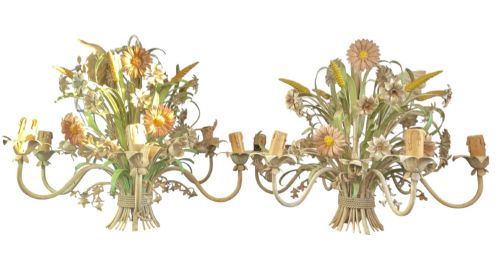
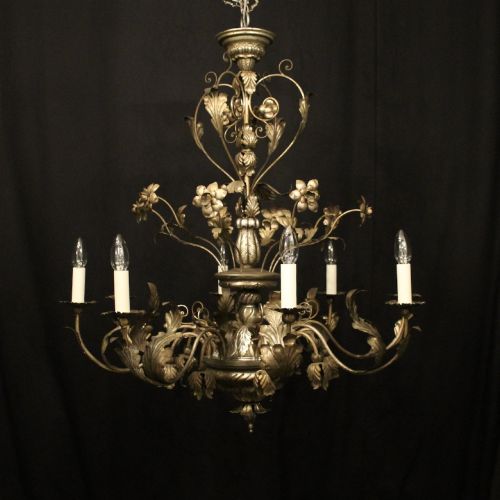
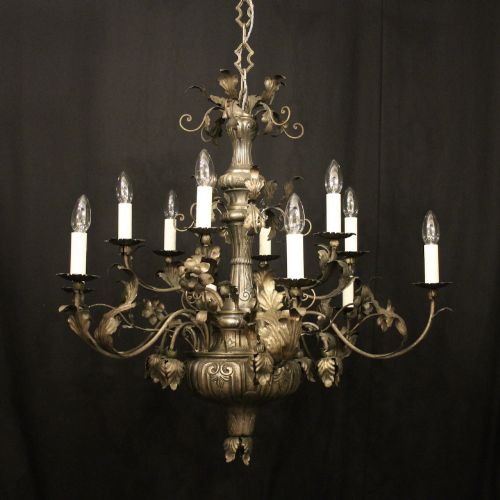
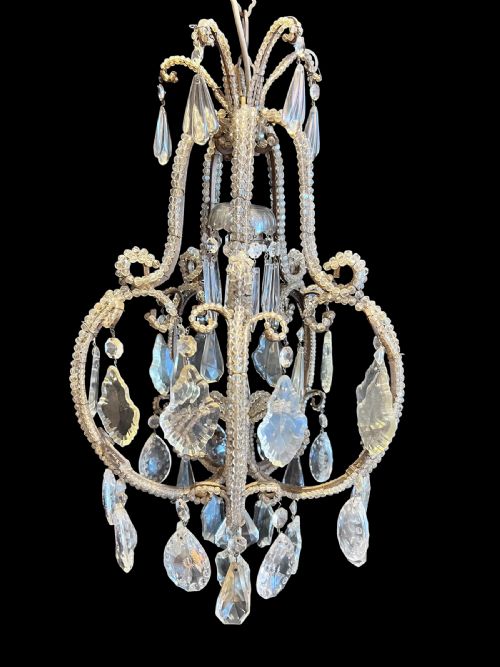
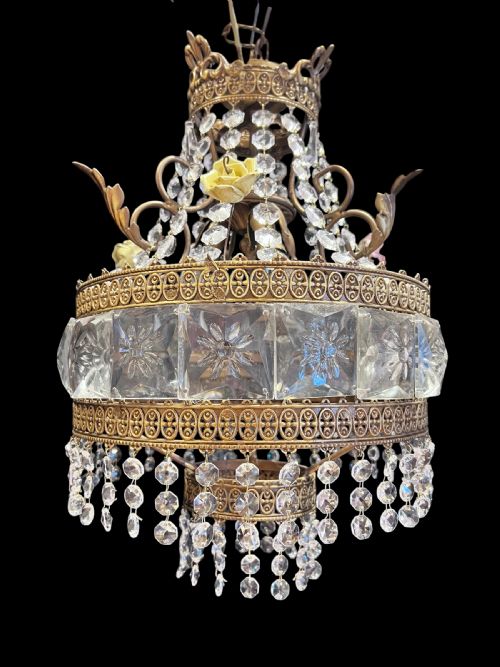
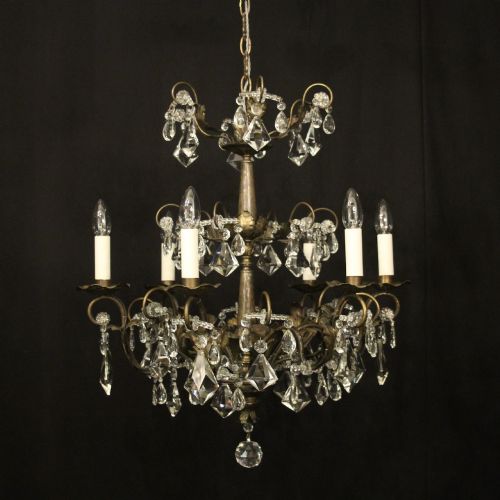
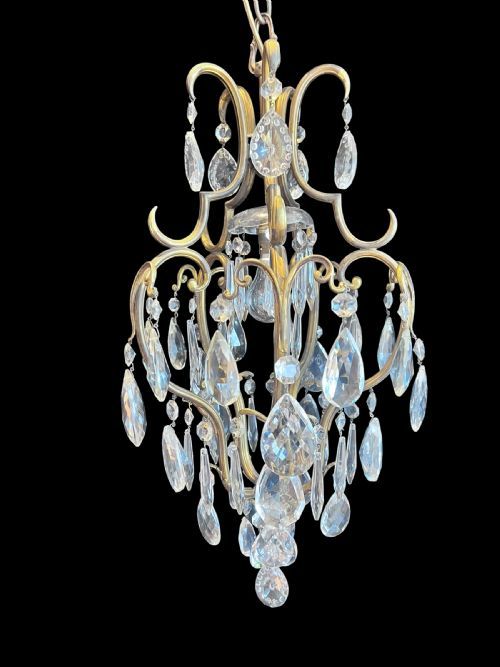
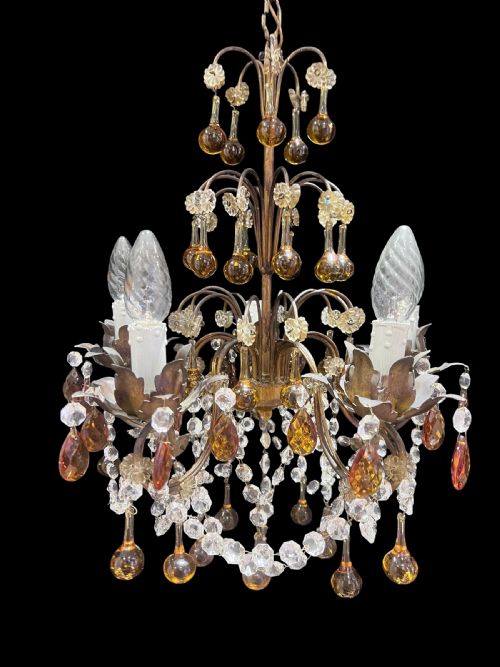
Forms vary considerably, encompassing multi-tiered candle arrangements, elaborate birdcage frames, and playful designs incorporating porcelain flowers or coloured glass fruit. Wall lights and hanging lanterns also appear alongside standard ceiling pendants.
How they were made
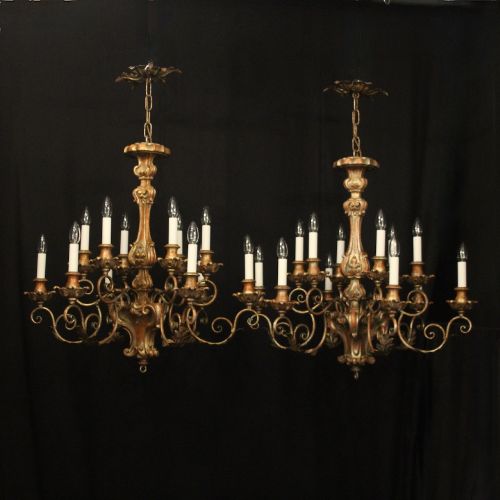
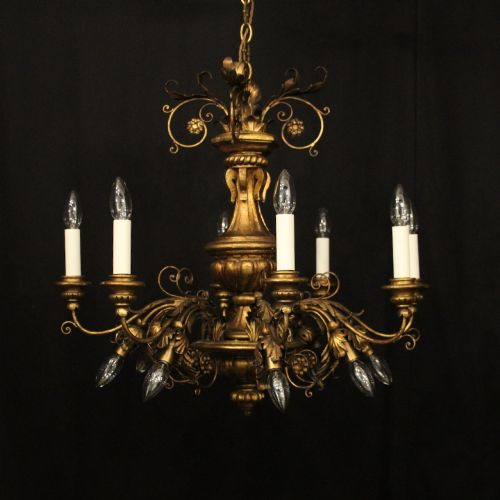
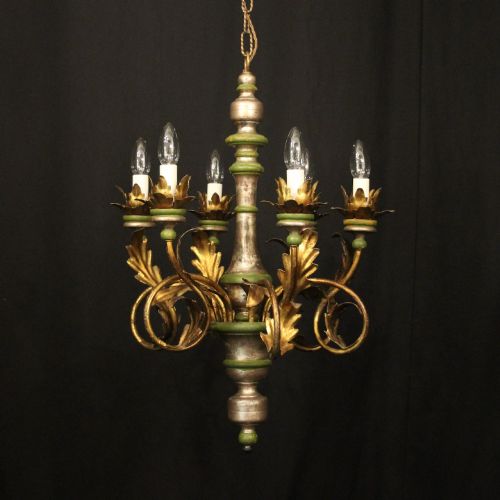
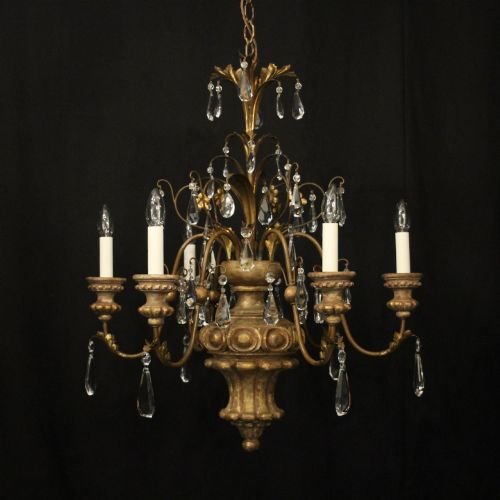
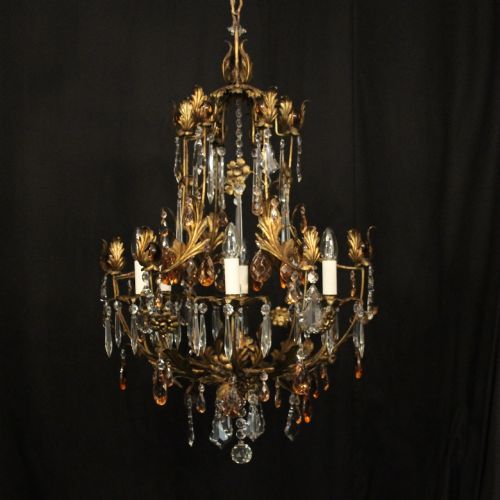
Maker workshops shaped these fixtures using carved giltwood, wrought iron, brass, and gilt metal as foundational structures. Artisans applied gold leaf and polychrome paint to wooden surfaces, creating rich textures and coloured finishes.
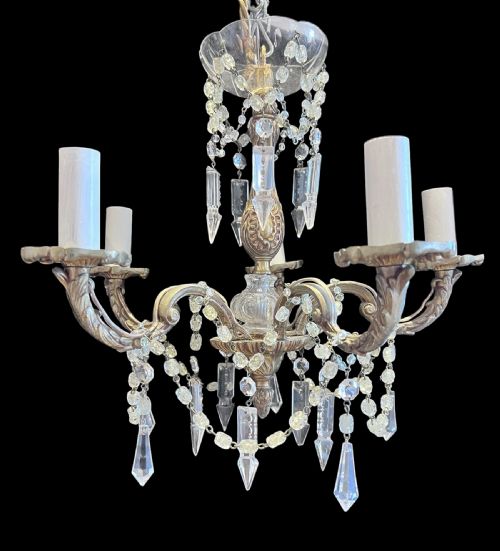
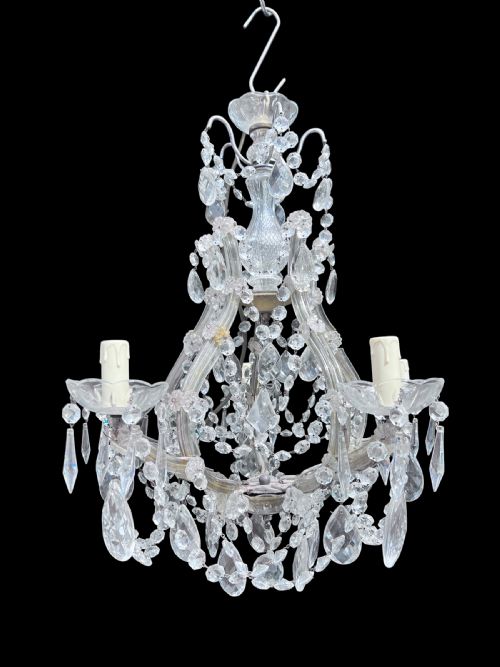
Lighting elements incorporated shaped glass, cut crystal drops, and occasionally opaque glass grapes, flowers, and pears. Tollware was also utilised for painted metal components, while silvered gilding added reflective brilliance to frames.
Italian Chandelier Light Retail Price Guide 2026
Typical asking prices for italian chandelier light among the pieces listed under this phrase on Sellingantiques today, from the lower quarter to the upper quarter. They describe what is for sale here now, not the wider market.
Object types include wall lights, hanging lanterns, and multi-branched chandeliers originating from Florentine, Venetian, and Genoa traditions.
What varies in quality
The degree of hand-carving in the wooden frames and the complexity of the metal armature set finer examples apart from simpler productions. Elaborate multi-tiered designs and sculptural elements require greater artisan skill than plain branch frameworks.
The richness of the glass and crystal components also dictates overall character, with coloured crystal fruits and intricate floral drops adding substantial visual depth compared to clear drops alone.
The Italian Chandelier Light Glossary
- Giltwood
- Wood that has been treated with gold leaf or gold paint to create a lustrous metallic surface. This finish appears frequently on Florentine frames.
- Birdcage
- A cage-like metal frame structure surrounding the central stem of a chandelier. Glass drops and beads drape across this skeletal framework.
- Marie Theresa
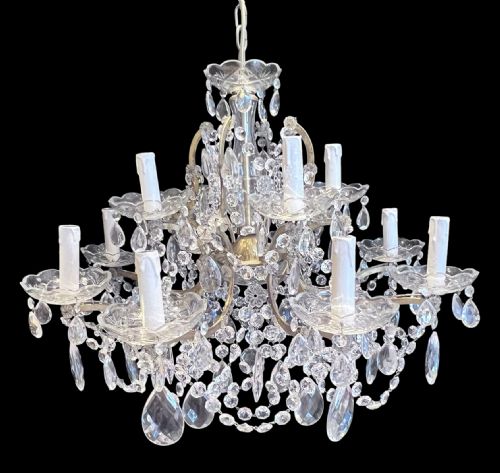
- A distinct style of flat-arm chandelier featuring glass straps concealing the metal frame. These fixtures are frequently adorned with crystal pendants.
- Polychrome
- Decorated in multiple colours, often seen on carved wooden foliage and flowers. This technique adds vivid local colour to gilded pieces.
Italian Chandelier Light: Frequently Asked Questions
Where should I hang an italian chandelier light?
These fixtures suit principal reception rooms, dining areas, and high-ceilinged hallways where their decorative presence can be fully appreciated. Their substantial visual weight demands adequate clearance and structural support from the ceiling.
Smaller single-light or three-light versions work effectively in intimate spaces or bedrooms. Positioning them centrally allows the reflective crystal and gilt surfaces to catch natural light throughout the day.
How do I identify a Florentine chandelier?
Florentine pieces typically feature carved wooden frames decorated with gilt leaf, scrolling foliage, and polychrome painted details. They often take organic forms that mimic leaves, flowers, and natural branches rather than strict symmetrical geometry.
These designs lean heavily into Baroque and Rococo revivals, prioritising tactile carved textures over plain polished metal. The use of giltwood distinguishes them from standard brass or iron frames.
What periods do these chandeliers come from?
The available lighting spans from the eighteenth and nineteenth centuries into the mid-twentieth century. The majority of examples date from the nineteen-tens, nineteen-twenties, and nineteen-thirties.
Earlier nineteenth-century pieces often showcase heavier carved wooden lanterns and iron branch structures. Twentieth-century iterations frequently embrace ornate Florentine styles and glittering crystal Maria Theresa arrangements.
How do coloured crystals affect the look?
Coloured crystals introduce vibrant splashes of hue, transforming the light display into a richer visual experience. Items hung with glass grapes, apples, and pears offer a playful, decorative departure from standard clear glass.
These tinted elements alter the ambiance of a room by casting soft tones when illuminated. They reflect the whimsy found in regional Italian decorative arts.