





Italian Ceramic Sculpture
These Italian ceramic sculpture pieces bring expressive figural presence and traditional craftsmanship into interiors, ranging from decorative figures to monumental terracotta busts.
Italian Ceramic Sculpture
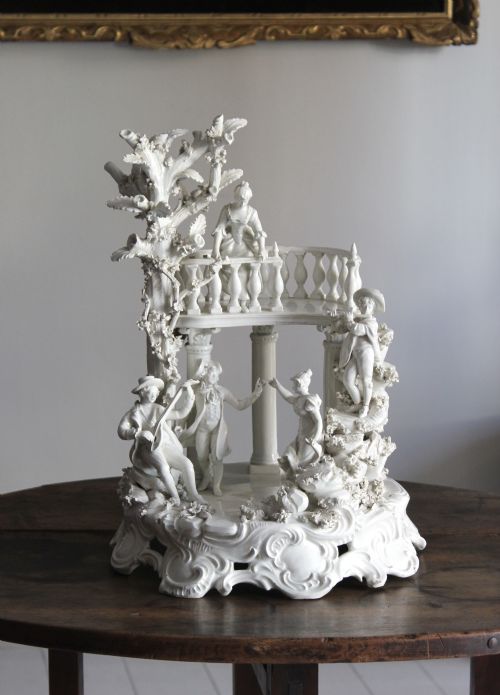
When you examine italian ceramic sculpture, you encounter a diverse tradition spanning centuries, from early eighteenth-century groups to mid-century modern animal studies and Art Deco pottery fish groups. These works manifest in various forms, including porcelain figures, majolica animals, garden ornaments, decorative figurines, and large terracotta busts.
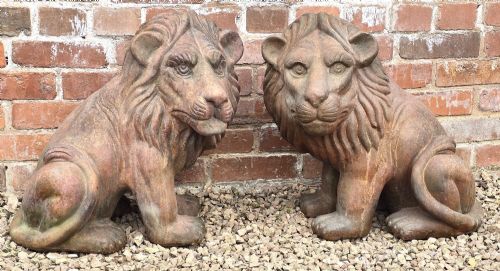
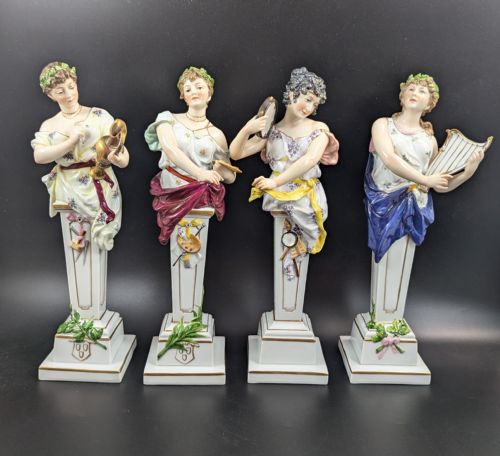
The pieces appearing on this page draw upon distinct historical movements such as Rococo, Neoclassical, Italian Renaissance Revival, and Art Deco. Buyers frequently find terracotta lions, cockerels, and human figures, alongside fine porcelain allegorical groups and Majolica dogs reflecting specific regional aesthetics.
Origins stretch across different periods, featuring seventeenth-century figures alongside nineteenth-century interpretations and twentieth-century modernist works. Each object reflects the prevailing sculptural tastes of its era, whether inspired by classical antiquity or twentieth-century decorative modernism.
Distinctions in quality
Execution of surface pigment, tin-glazing, and hand-sculpted textures dictates visual success, separating masterworks like life-size terracotta busts from standard decorative figurines. The sophistication of the underlying sculptural design remains central to the distinction.
Italian Ceramic Sculpture Retail Price Guide 2026
Typical asking prices for italian ceramic sculpture among the pieces listed under this phrase on Sellingantiques today, from the lower quarter to the upper quarter. They describe what is for sale here now, not the wider market.
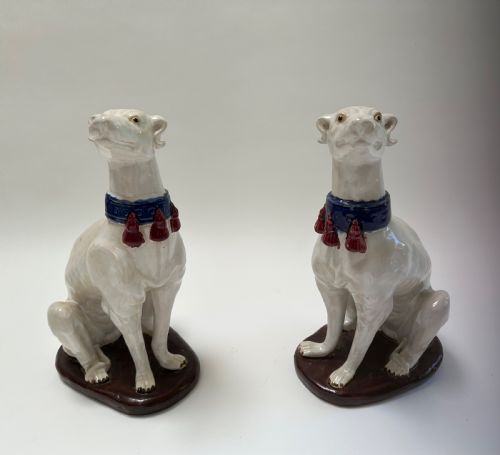
Glazed majolica dogs stand guard with unwavering ceramic loyalty, offering a cheerful domestic greeting across generations of Italian artistry.
Guido Cacciapuoti·Achille Mollica·Pietro Calvi·Antonio Rossellino
The Italian Ceramic Sculpture Glossary
- Terracotta
- Fired clay used extensively for sculptural works, left unglazed or painted with pigments. It provides a warm, porous medium capable of holding fine anatomical detail.
- Majolica
- Tin-glazed earthenware decorated with opaque coloured glazes, originating in Italy and noted for vibrant animal and figural representations. The technique produces a glossy, durable surface.
- Porcelain
- A fine, vitreous ceramic material fired at high temperatures, typically white and translucent. It allows for delicate figural modeling and intricate allegorical detail.
- Rococo
- An ornate artistic style characterised by asymmetry, scrollwork, and theatrical movement. It frequently appears in eighteenth-century figural groups and decorative compositions.
- Neoclassical
- A revival style drawing inspiration from the classical art and architecture of ancient Greece and Rome. Works in this vein emphasise proportion, balance, and classical subject matter.
Italian Ceramic Sculpture: Frequently Asked Questions
How do I identify a terracotta sculpture's age?
Dating relies on stylistic markers, handling of the clay, and surface wear consistent with historical periods ranging from the seventeenth to the mid-twentieth century.
Examining the firing characteristics and any maker inscriptions helps place the work within specific movements like Art Deco or the Renaissance Revival.
Where were majolica dogs typically displayed?
These decorative majolica animals were historically placed in grand entrance halls, reception rooms, or gardens to demonstrate taste and affluence.
Today, collectors position them as focal points in living spaces or hallways to anchor interior design schemes.
What is the difference between terracotta and porcelain figures?
Terracotta uses coarse, fired clay that often displays matte pigment or earthy textures, suiting large-scale busts and garden sculptures.
Porcelain utilises a refined, vitrified paste fired at high temperatures, allowing for delicate, highly detailed tabletop figurines and allegorical groups.
How should I care for a ceramic sculpture?
Display these sculptures away from high-traffic areas and direct sunlight to protect painted surfaces, glazes, and delicate clay or plaster extremities.
Dust gently with a soft, dry cloth and avoid liquid cleaners that might penetrate porous terracotta or unglazed clay surfaces.