

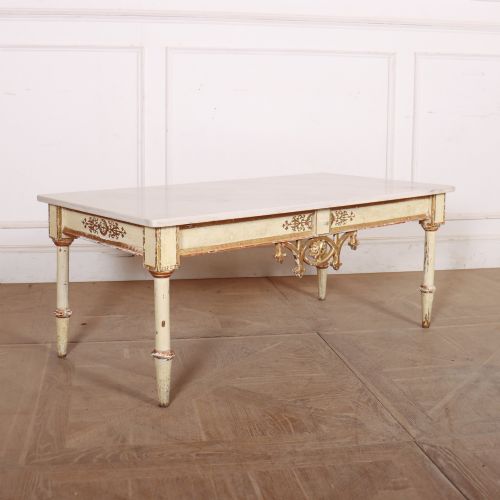


Italian Center Table
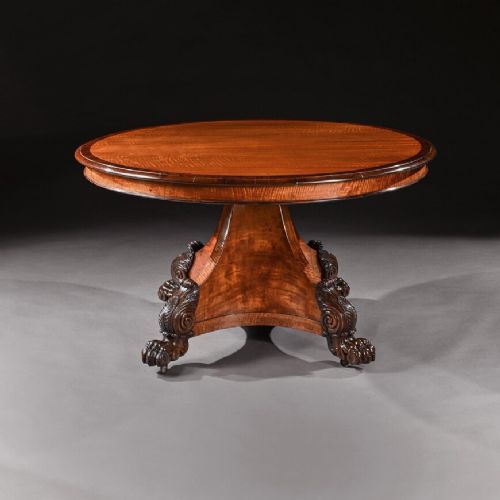
An italian centre table brings monumental marble and intricate marquetry into a room, serving as a striking focal point for any interior.
Italian Center Table
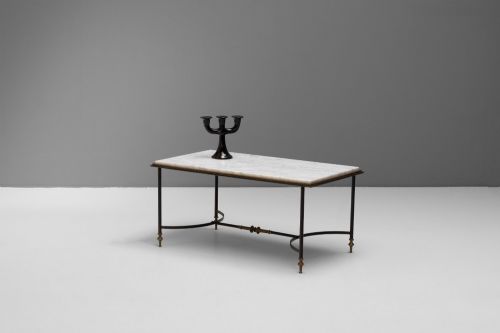
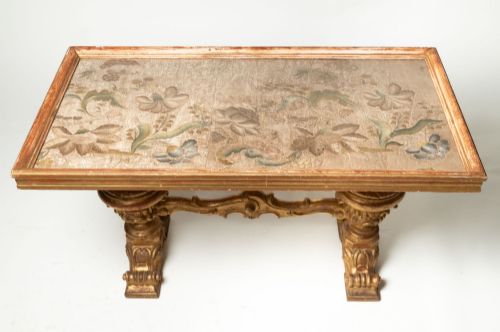
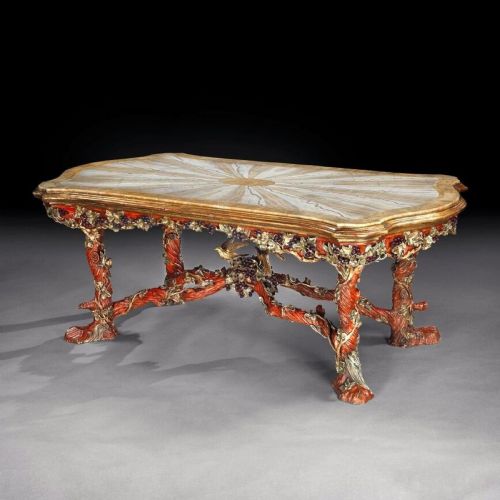
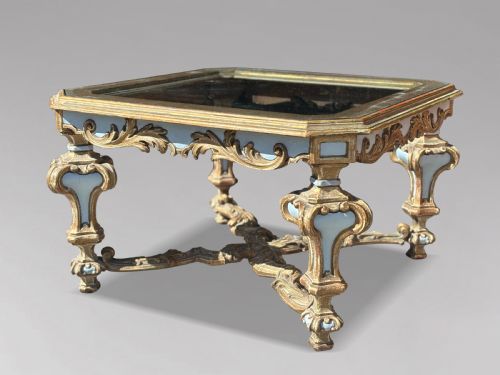
When you search for an italian centre table, you encounter a diverse range of forms spanning from the eighteenth century through to the twentieth century. These pieces encompass traditional circular centre tables, low coffee tables, occasional tables, and grand library desks.
The material vocabulary is exceptionally rich, featuring European walnut, carved giltwood, and fruitwood alongside heavy stone tops. Many examples originate from specific regional traditions, such as Sorrento marquetry work, Florentine pietra dura, or Venetian decorative styles.
Materials and Technique
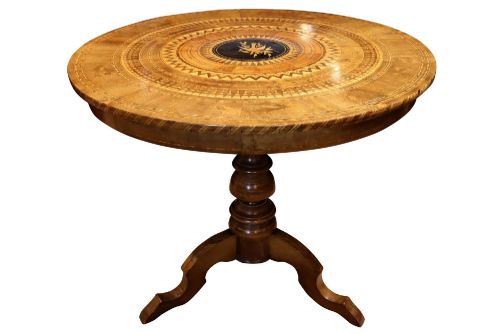
Cabinetmakers utilised dense timbers like walnut and mahogany for the structural bases, often applying elaborate carving, ebonising, or gilding. Tabletops frequently showcase meticulous marquetry, parquetry, and bone inlay arranged in geometric or pictorial motifs.
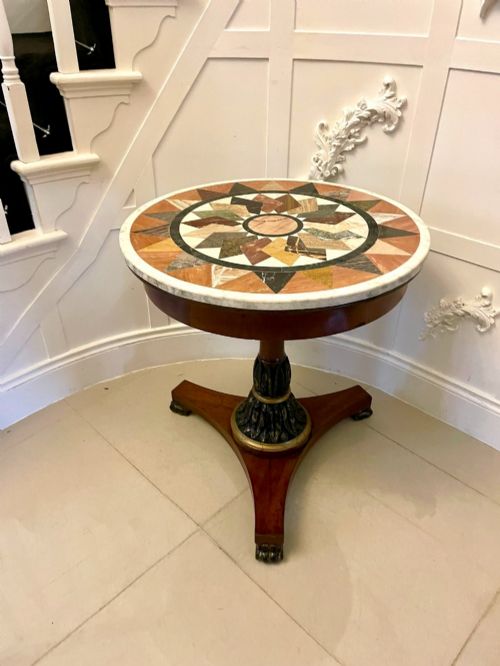
Stone tops represent a major technique, employing specimen marbles, onyx, and scagliola. Pietra dura work incorporates precision-cut hardstones to create detailed pictorial panels depicting birds and floral scenes.
Italian Center Table Retail Price Guide 2026
Typical asking prices for italian center table among the pieces listed under this phrase on Sellingantiques today, from the lower quarter to the upper quarter. They describe what is for sale here now, not the wider market.
Several tables conceal intricate bone inlay beneath polished surfaces, rewarding those who examine the woodwork closely.
Distinction in Craft
The hierarchy of quality rests primarily on the ambition of the surface decoration and the execution of the carving. Finely detailed pietra dura panels and complex pictorial Sorrento marquetry demand extraordinary skill, separating standard production from exceptional studio output.
Materials also dictate standing, with solid giltwood frames, thick specimen marble slabs, and signed works by notable makers representing the peak of period craftsmanship.
Peters of Genoa·Amleto Bertoni·Almerico Gargiulo·Angiolo Barbetti Firenze·B Battioli Varese
The Italian Center Table Glossary
- Pietra dura
- An artistic technique using cut and fitted polished coloured stones to create mosaic images. This meticulous inlay method appears frequently on grand tour tabletops.
- Marquetry
- Decorative woodwork where thin pieces of veneer are applied to a structure to form intricate designs. Sorrento workshops specialised in this detailed craft.
- Scagliola
- A composite substance made from selenite, glue, and pigments used to imitate marble and other fine stones. Craftsmen apply this technique to achieve elaborate decorative surfaces.
- Giltwood
- Wood that has been coated with a thin layer of gold leaf or powder. This finish is characteristic of ornate revival and baroque frames.
- Parquetry
- Geometric mosaic woodwork used for decorative flooring or tabletops. It relies on the precise alignment of contrasting timber pieces.
Italian Center Table: Frequently Asked Questions
What is an italian centre table used for?
These tables traditionally stood in the middle of principal rooms to display decorative objects, lamps, or large centrepiece bowls. In modern settings, larger variants function as impressive dining or display surfaces.
Lower iterations also adapt well as coffee tables positioned centrally within a seating arrangement, combining historical presence with practical utility.
How do I identify a Sorrento table?
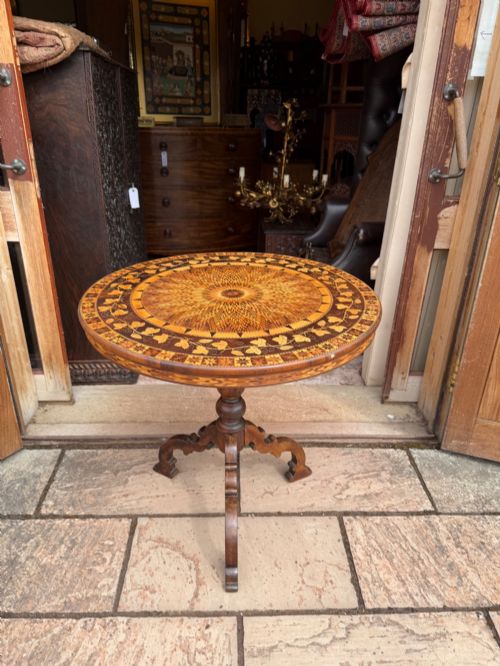
Sorrento tables are characterised by intricate wood marquetry and parquetry depicting landscapes, floral patterns, or geometric arrangements. Artisans in the coastal Italian town used varied fruitwoods to achieve natural tonal shading in the veneer.
Many of these pieces date from the nineteenth century and often feature circular walnut or olive wood tops supported by turned pedestals.
What is pietra dura?
Pietra dura involves assembling finely cut coloured stones like jasper, chalcedony, and onyx to form a seamless pictorial surface. The technique requires immense precision to ensure tight joints between the individual stone segments.
Tables bearing these panels were frequently acquired as high-status souvenirs during the grand tour of Europe.
How do I care for a marble top?
Specimen marble and onyx surfaces require gentle cleaning with a soft, damp cloth and neutral soap to avoid scratching the polished finish. Acidic liquids like wine or citrus juice can etch stone and must be wiped away immediately.
Applying a specialist stone wax periodically helps protect the porous surface from moisture and everyday wear.