
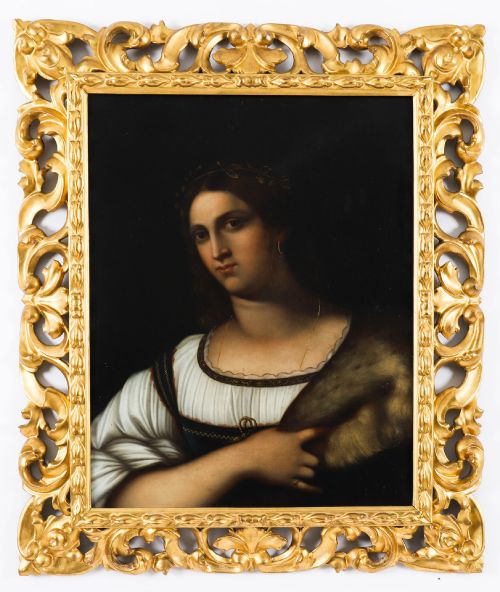
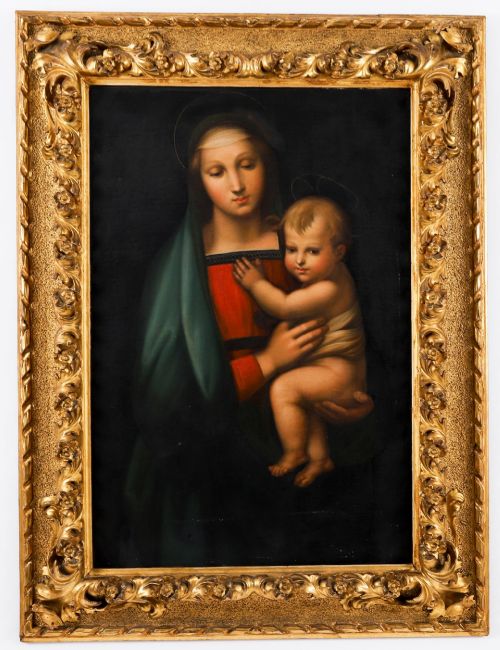
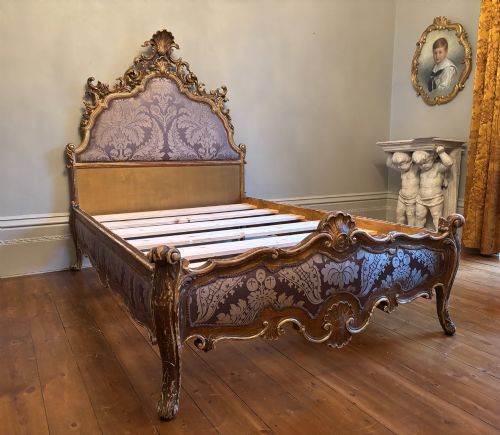
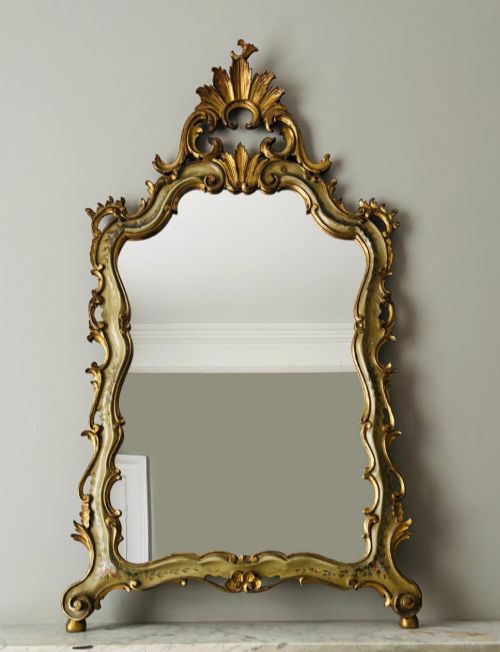



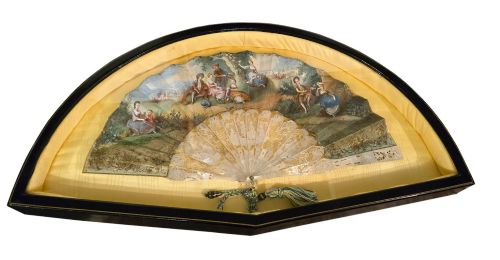
Italian Carved Frame
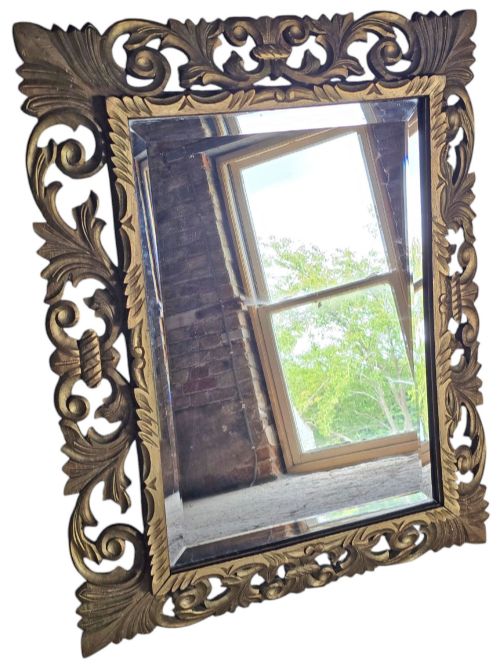
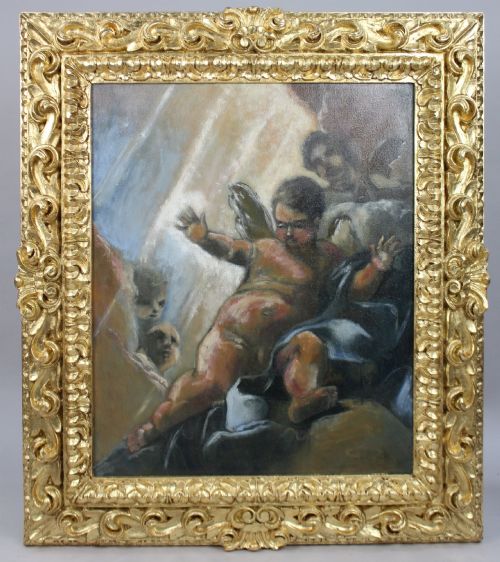
An italian carved frame brings undeniable presence to a room, offering centuries of craftsmanship and rich gilt surfaces.
Italian Carved Frame
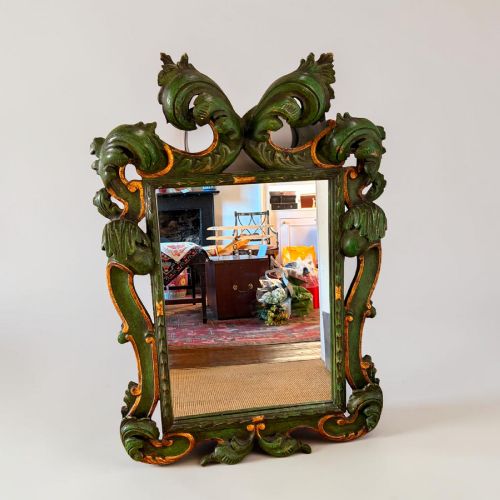
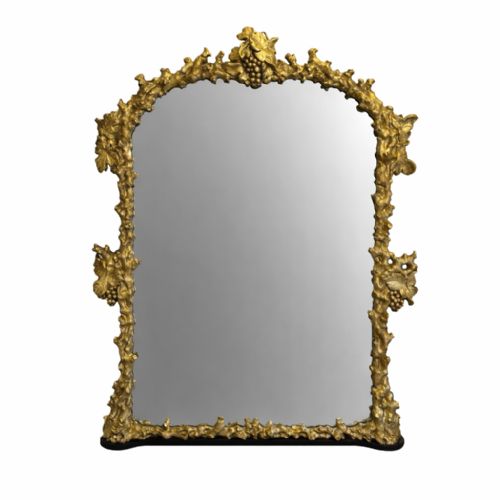
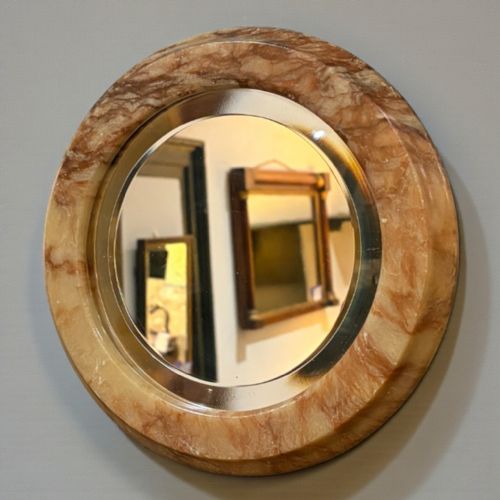
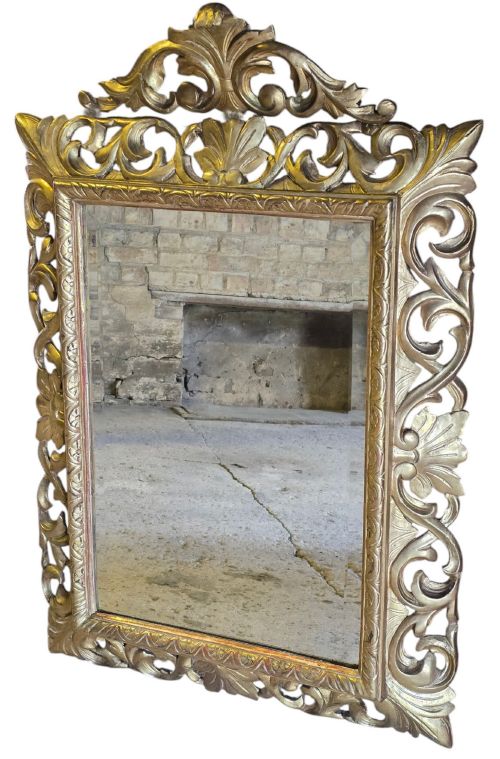
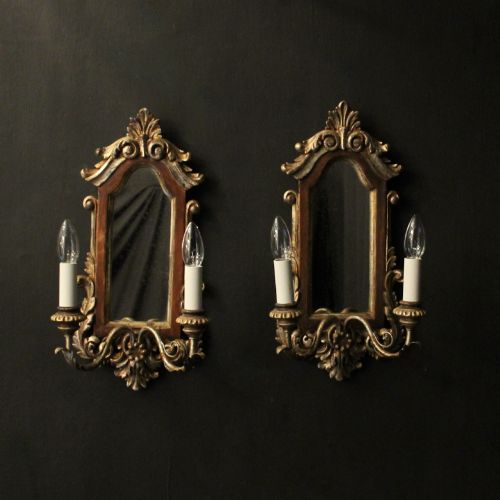
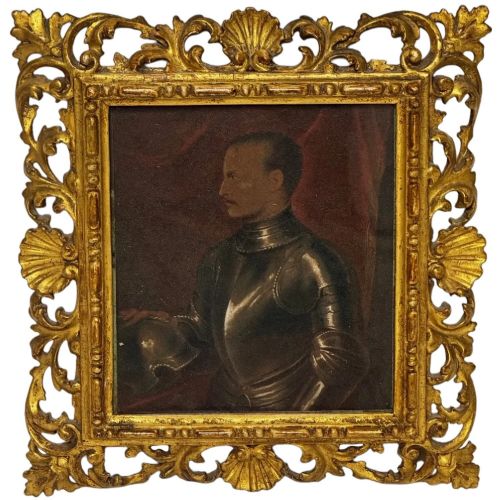
When searching for an italian carved frame, buyers encounter an array of ornate wall mirrors, picture frames, and oil paintings originating from various European periods.
The pieces on this page lean heavily towards wall mirrors and picture frames executed in Florentine and Baroque styles.
Examples span from the sixteenth century through the nineteenth century, reflecting enduring artisan traditions.
Materials and Techniques
Wood serves as the foundational core, shaped meticulously by hand into elaborate scrollwork and moulding.
Giltwood, gesso, and gold leaf are applied to surfaces to achieve brilliant metallic radiance.
Interiors often integrate mirror glass, oil on canvas, or carved wood panels.
Listings span from the 16th century to the 1930s, featuring carved wood, glass, and oil on canvas.
Judging Quality
Depth and crispness of hand-carved detail distinguish superior examples from simpler productions.
The integrity of the original gilt surface and gesso application dictates the visual weight and historical authenticity.
Proportion and scale play significant roles in the overall impact of the piece.
The Italian Carved Frame Glossary
- Giltwood
- Wood that has been coated with gold leaf or gold paint. This technique gives the frame a luminous, reflective quality.
- Gesso
- A plaster-like mixture applied to wood surfaces as a base for gilding. It provides a smooth ground for intricate carving details.
- Florentine
- A regional style associated with Florence, known for exuberant foliate carving and rich gilding. These pieces make strong statement centrepieces.
- Overmantle
- A large mirror or frame designed to hang above a fireplace mantel. They often feature expansive dimensions to command the wall space.
- Baroque
- An ornate design period characterised by dramatic movement and deep relief carving. It delivers a sense of grandeur and theatricality.
Italian Carved Frame: Frequently Asked Questions
How do I hang a heavy giltwood mirror?
Ensure the wall fixings engage directly with structural studs or use heavy-duty anchor bolts suitable for the weight.
Consult a professional installer to verify that the hanging wire and frame backing support the load safely.
Can these frames be placed in bathrooms?
High humidity and moisture can damage antique gesso and gold leaf over time.
Keep them in dry living areas or hallways to preserve the delicate finishes.
How do I clean an antique gilt frame?
Dust gently with a soft, dry ostrich feather duster or a clean microfibre cloth.
Avoid using water, chemical sprays, or abrasive cleaners that strip the gold leaf.
What is the difference between Florentine and Baroque styles?
Florentine designs tend to focus on intricate pierced foliate scrolling and rich surface texture.
Baroque pieces emphasise bold architectural mass, theatrical curves, and deep sculptural relief.