
Italian Baroque Painting
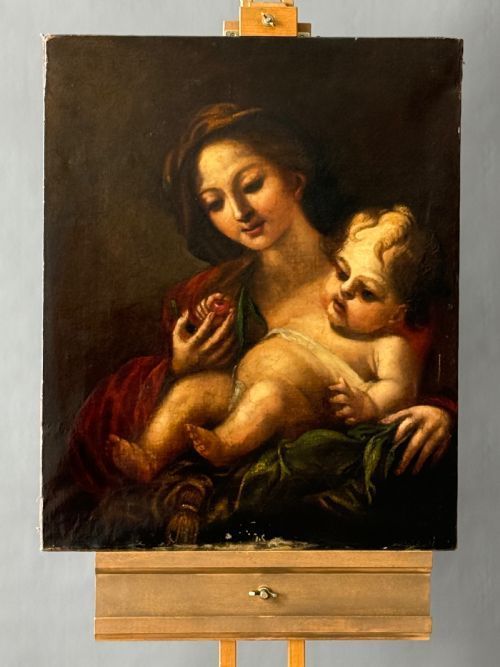
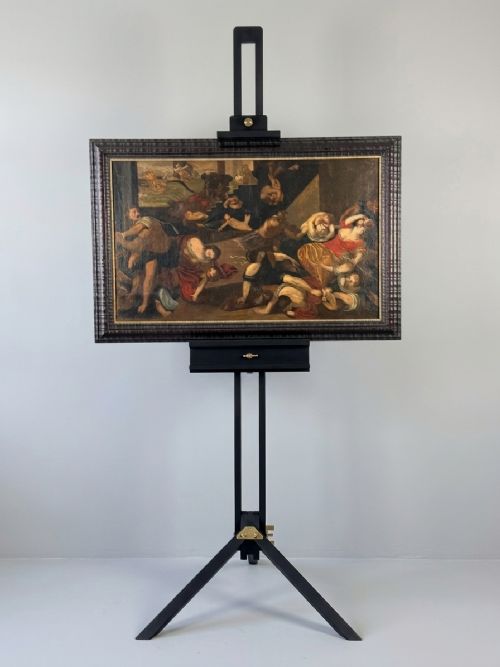
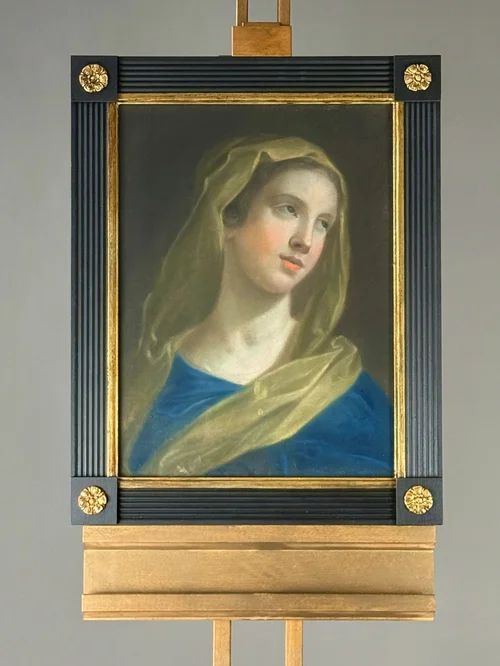
These italian baroque painting examples capture grand religious scenes and dramatic portraits through sweeping gestures and rich chiaroscuro.
Italian Baroque Painting
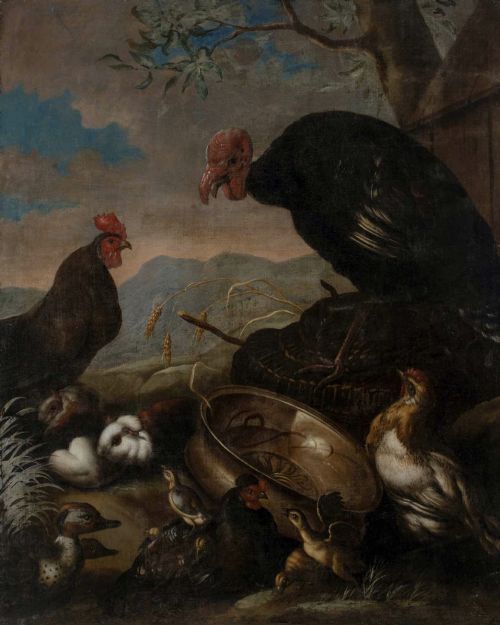
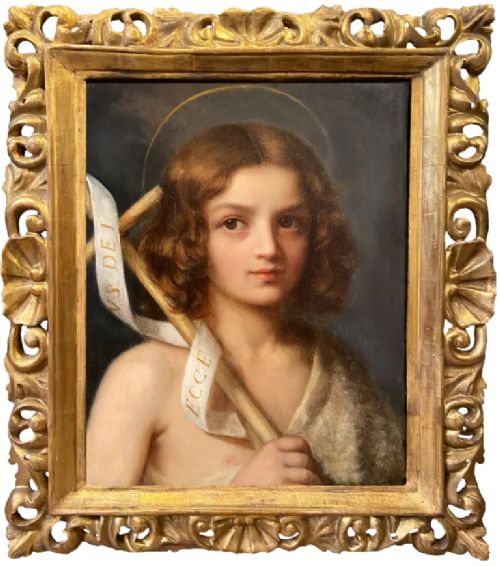
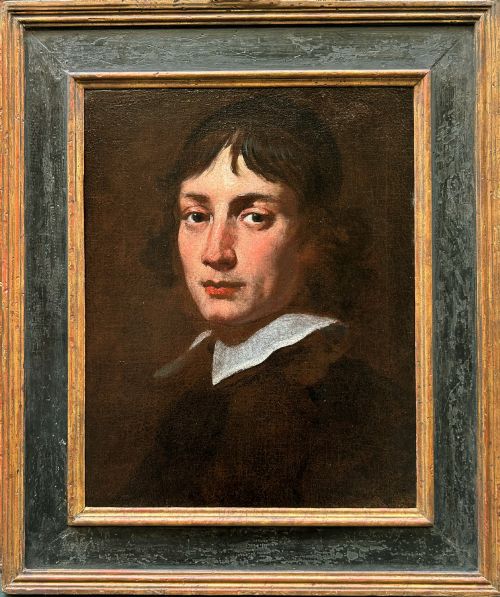
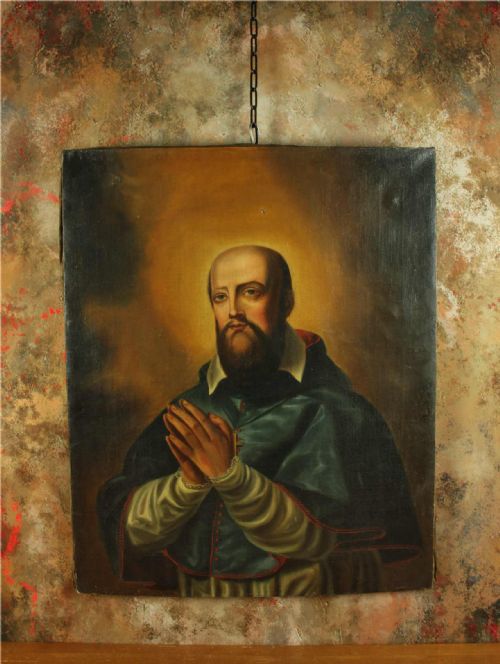
When searching for italian baroque painting, collectors encounter dramatic canvases from the seventeenth and eighteenth centuries, alongside later revivals. These works typically depict sacred narratives, classical mythology, or striking portraiture filled with intense emotional charge.
The selection ranges from large devotional altarpieces and historical mythologies by regional schools to intimate cabinet paintings. Many survive set within their original carved giltwood frames, retaining the heavy ornamentation suited to the aesthetic.
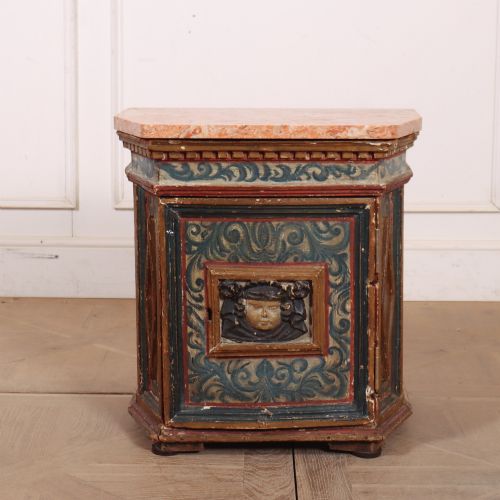
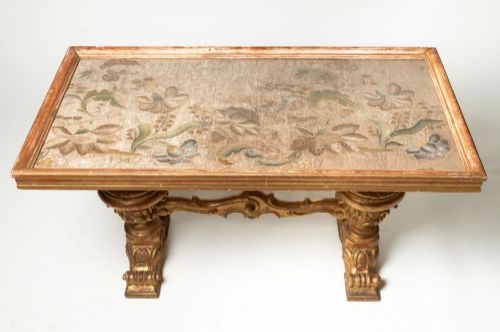
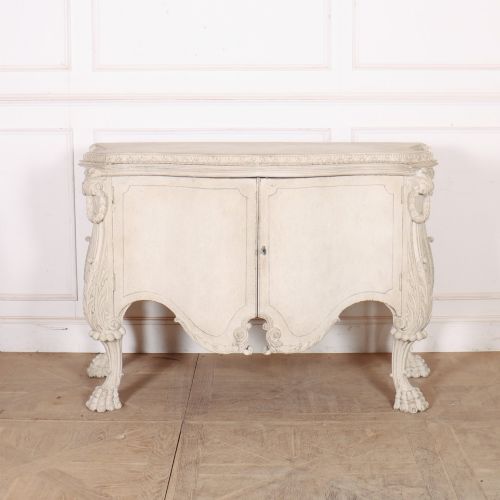
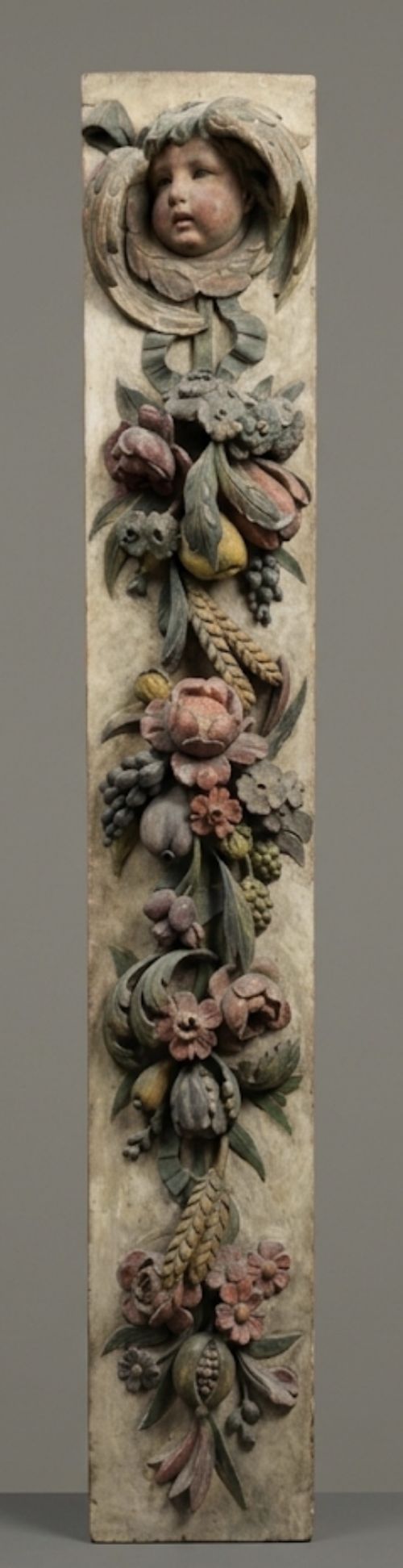
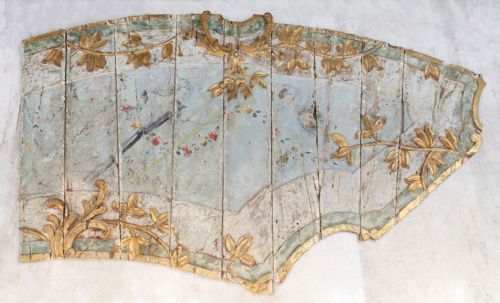
Beyond canvases, the wider selection spans complementary decorative objects that reflect the period's love of theatrical ornament, though oil paintings remain the core of the discipline.
What varies in quality
The distinction between masterworks and lesser studio pieces lies in the sureness of brushwork and the psychological depth of the figures. Superior examples demonstrate confident handling of anatomy, drapery, and dramatic lighting that draws the eye directly into the narrative focal point.
Condition also plays a significant role, as original undisturbed surfaces and period frames elevate a piece above canvases that have suffered heavy restoration or relining over the centuries.
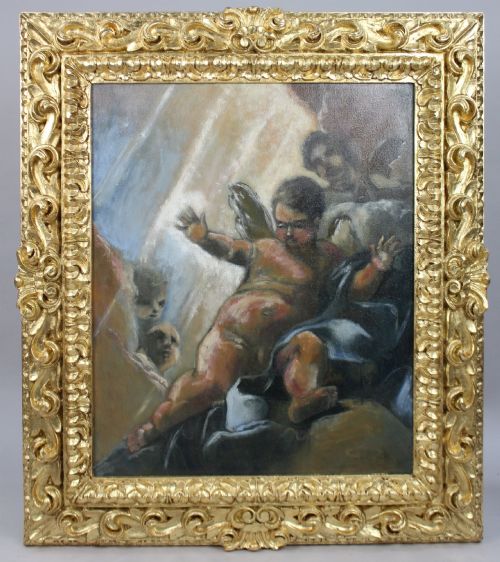
Several canvases manage to squeeze multiple disgruntled cherubs and weeping saints into a single dramatic frame.
Angelo Maria Crivelli·Benedetto Luti·Pietro Fachetti·Guillaume Courtois·Francesco Solimena·Francesco Zuccarelli
The Italian Baroque Painting Glossary
- Chiaroscuro
- Strong contrasts between light and dark, used to give a three-dimensional volume to figures and heighten dramatic tension.
- Gesso
- A plaster mixture applied to wood panels or canvases as a smooth base for painting or gilding.
- Giltwood
- Wood carved and then covered with thin sheets of gold leaf, common in period frames and furniture.
- Old Master
- A term for a European artist of high skill working before the nineteenth century.
- Provenance
- The chronological record of ownership tracing a work's history from its creation to the present day.
Italian Baroque Painting: Frequently Asked Questions
How do I identify a seventeenth century canvas?
Authenticating a seventeenth century canvas involves examining the weave of the fabric, the composition of the underlying gesso, and the natural ageing of the oil pigments.
Experts also look for stylistic clues specific to regional Italian schools active during the height of the baroque period.
Are these paintings usually signed?
Most historic canvases from this era remain unsigned, as attribution relies heavily on stylistic comparison, archival records, and expert consensus.
Workshop pieces and works by followers often bear strong regional characteristics rather than individual signatures.
How should I hang an oil painting?
Protect antique canvases by placing them away from direct sunlight, heating vents, and damp exterior walls to prevent cracking and warping.
Ensure the wall fixings can securely support both the heavy wooden stretcher and any elaborate giltwood frame.
What is an old master painting?
An old master painting is a work created by a skilled European artist before the nineteenth century, encompassing various regional schools and movements.
These pieces range from intimate devotional panels to large mythological scenes produced in busy metropolitan workshops.