





Italian Art Print
An italian art print captures centuries of Mediterranean culture, bringing classical architecture, religious iconography and vibrant landscapes directly into a room.
Italian Art Print
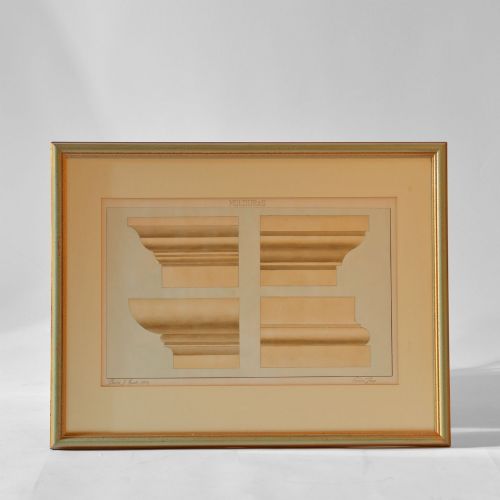
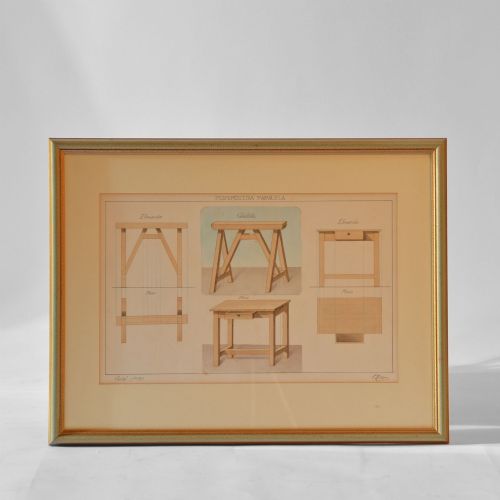
The most common pieces found in this category include framed prints, copper engravings, and hand-coloured architectural plates that reflect periods such as the Victorian era, the Edwardian period, and the 17th century. Many of these works celebrate Italian landmarks, Venetian lagoons, and historical maps.
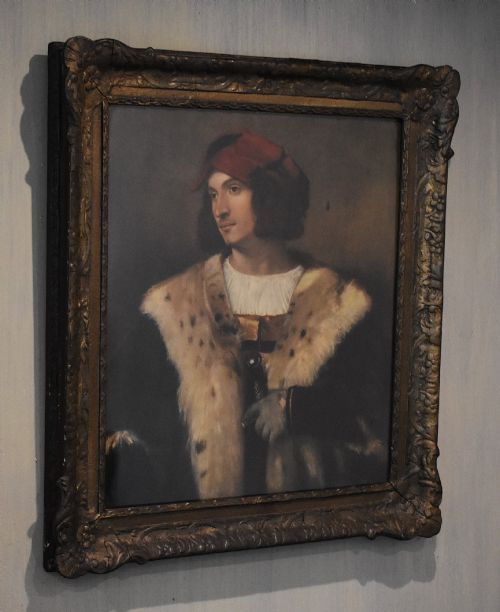
Pieces range from detailed watercolours of Italian architects to chromolithographs and oileograph portraits. Buyers often select these framed artworks to introduce classical elegance or mid-century modern character into domestic interiors.
Materials and production techniques
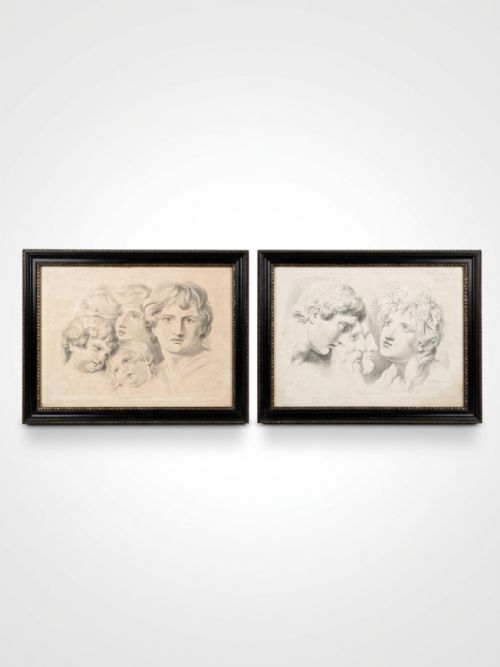
The construction of these pieces relies heavily on paper, ink, and watercolour applied by hand or through traditional printing techniques. Copperplate engravings and etchings demonstrate precise linear work on laid or woven paper substrates.
Many works incorporate gold leaf accents, paint, and glazed framing using wood and gilded wood mouldings to protect the fragile mediums within. Chromolithographs utilise multi-stone lithographic printing to achieve rich colour saturation across the printed surface.
Italian Art Print Retail Price Guide 2026
Typical asking prices for italian art print among the pieces listed under this phrase on Sellingantiques today, from the lower quarter to the upper quarter. They describe what is for sale here now, not the wider market.
Listings feature paper, glass, wood, ink, gold leaf, watercolour, gilded wood, and paint across multiple centuries.
Distinctions in craftsmanship and condition
Quality separates through the clarity of the plate impression in engravings and the delicacy of brushwork in watercolours. Early impressions from copper plates retain sharp definition, whereas later printings often exhibit softened lines.
The preservation of original paper surfaces, minimal foxing, and the integrity of hand-applied watercolour washes elevate certain examples. Original period framing and genuine period glass further distinguish superior survivals from later assemblies.
Giovanni Ottaviani·Alessandro Mocchetti·Ottaviani
The Italian Art Print Glossary
- Engraving
- A printmaking technique where an artist cuts lines directly into a copper plate using a sharp steel tool called a burin. The resulting metal plate holds ink within the incised grooves to transfer the image onto paper under pressure.
- Etching
- A process where metal plates are coated with an acid-resistant ground and drawn upon with a needle to expose the metal. Acid then bites into the exposed lines to create the recesses that hold printing ink.
- Chromolithography
- A planographic colour printing method that uses multiple limestone blocks or zinc plates, one for each distinct colour. This technique produced vibrant, multi-coloured reproductions popular during the 19th and early 20th centuries.
- Grand Tour
- A traditional trip through Europe, particularly Italy, undertaken by upper-class young men in the 18th and 19th centuries. Travellers collected prints, maps, and paintings as tangible mementos of their cultural education.
- Oileograph
- A mechanical colour reproduction printed on canvas to simulate the appearance and texture of an oil painting. These pieces often feature an embossed varnish finish that mimics brushstrokes.
Italian Art Print: Frequently Asked Questions
How should I hang fragile paper prints?
Protect works on paper from direct sunlight to prevent fading of the delicate watercolours and inks. Maintain stable indoor humidity levels to safeguard the paper and framing materials.
Ensure frames are securely hung using appropriate wall fixings that support the weight of the glazed wood surrounds.
What subjects are most common?
Venetian lagoons, architectural capriccios, and classical Vatican frescoes dominate the visual record. Maps of Italian regions and botanical studies also frequently appear.
Religious subjects after masters like Raphael and Titian remain widely represented across various printing periods.
How do I identify a copper engraving?
Look closely at the paper surface for a distinct plate mark impression where the metal edges pressed into the fibres. The lines appear sharp and slightly raised under magnification due to the thick ink.
Examine the reverse of the sheet to find subtle evidence of the indentation left by the printing press.
What is a Grand Tour etching?
These are souvenir prints purchased by travellers exploring Italian historical sites during the 18th and 19th centuries. They typically feature famous ruins, monuments, and panoramic cityscapes.
Artists produced these works to satisfy the demand for classical imagery among foreign visitors.