

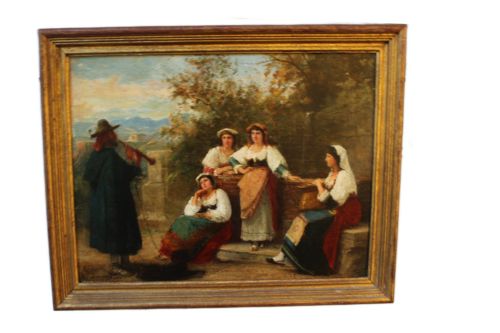
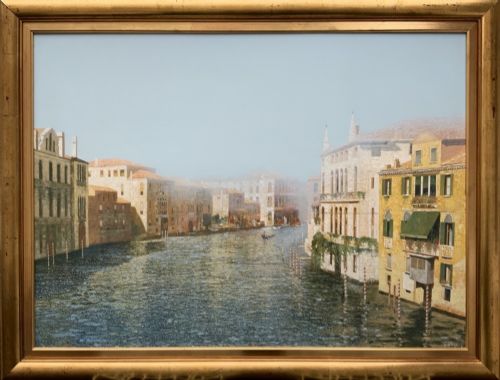
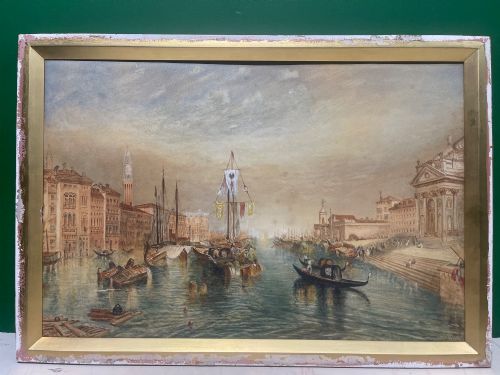
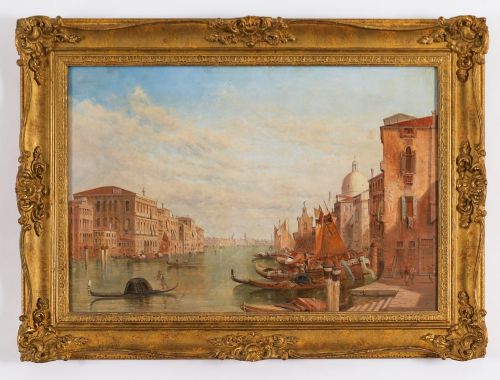
Italian Art Frame
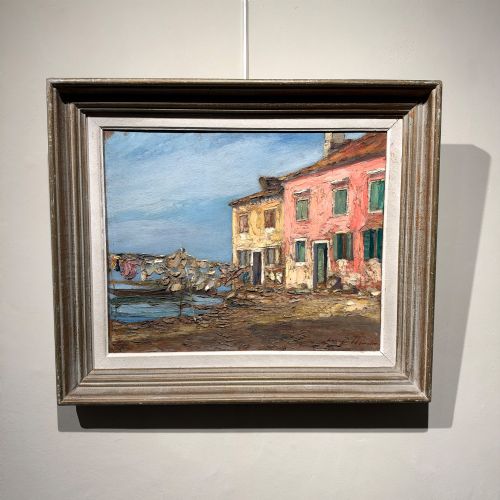
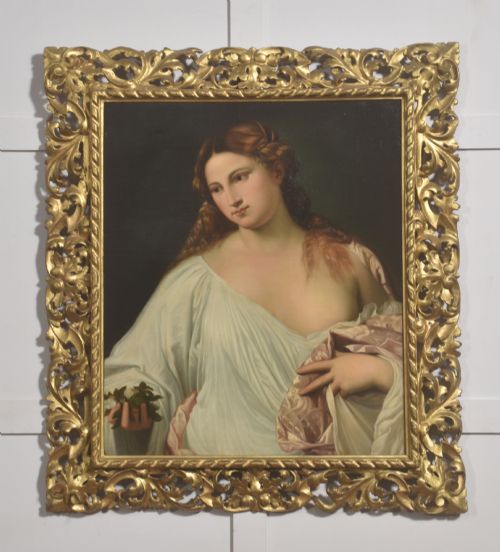
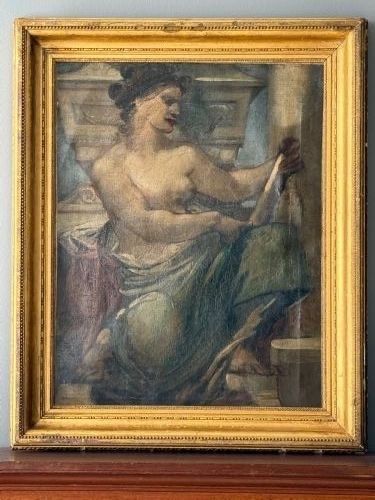
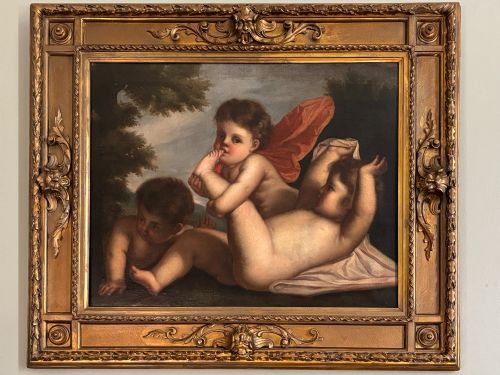
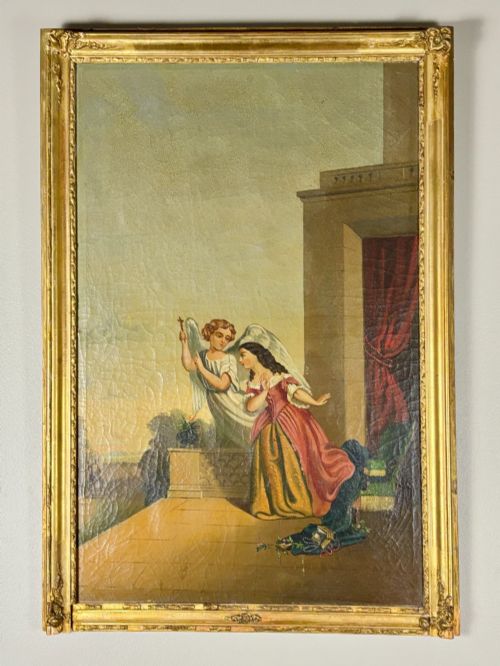
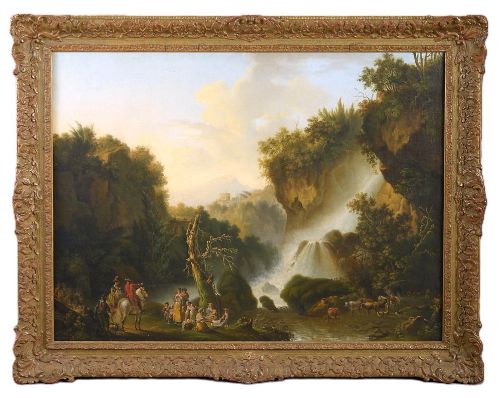
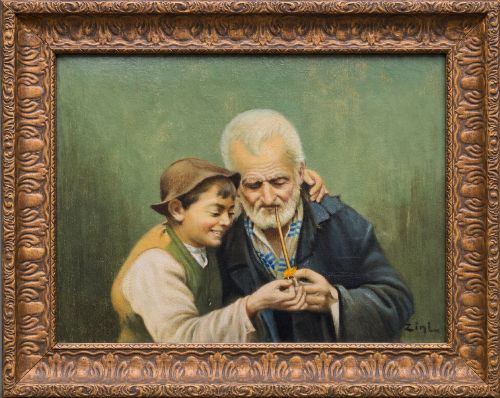
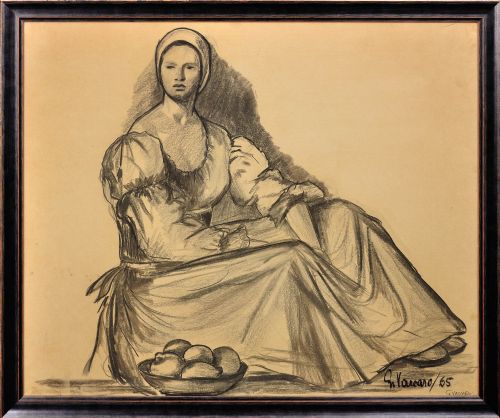
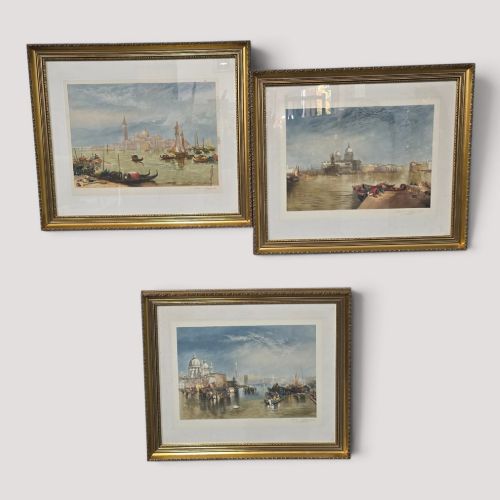
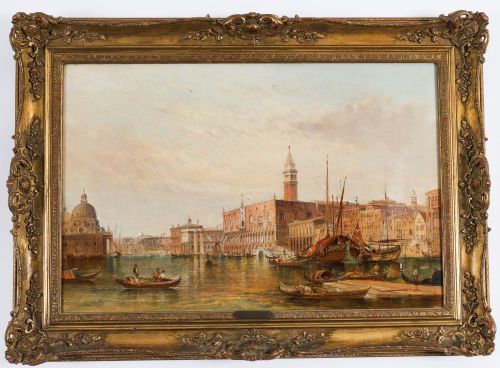
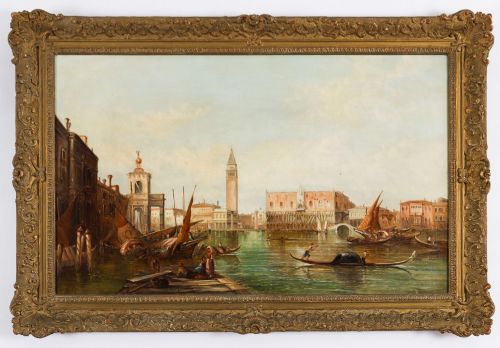
When you search for italian art frame, you look for oil paintings, watercolours, and gouaches set in period woodwork.
Italian Art Frame
An italian art frame houses works spanning from the seventeenth century through to the mid-twentieth century, encompassing landscapes, portraits, and religious scenes. Buyers searching this phrase encounter oil on canvas, pastel, gouache, and watercolour paintings originating from various Italian schools and international artists working abroad.
The selection ranges from early seventeenth-century Venetian and Emilian school canvases to nineteenth-century Grand Tour watercolours and twentieth-century coastal views. These pieces frequently capture iconic locations such as Venice, Rome, Naples, Capri, and Sicily.
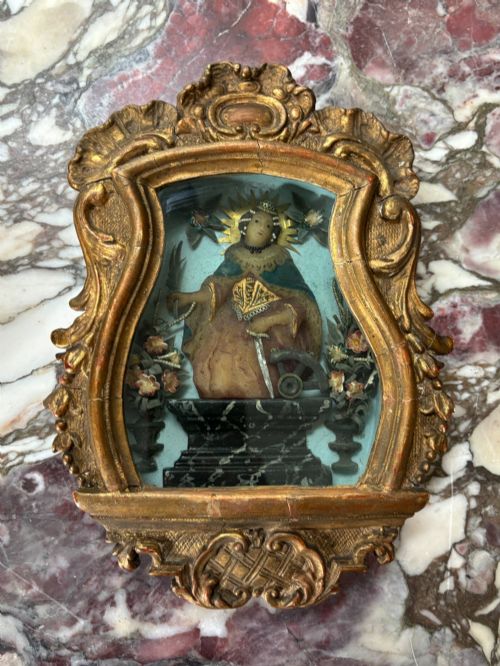
Many works arrive in period enclosures, including carved giltwood and swept frames that complement the painting's style, whether Italian Baroque, Neoclassical, Renaissance Revival, or Art Deco.
Materials and Techniques
Painters utilised oil paint and watercolour on canvas, panel, and paper, often applying gold leaf and giltwood to the surrounding woodwork. Carved wooden structures provide the foundation for many period borders, decorated with applied plaster or gesso details.
Artists of the earlier centuries prepared wooden panels and woven canvases with traditional grounds before building up rich oil layers. Later nineteenth- and twentieth-century works frequently employ fluid watercolour and gouache techniques on paper to capture bright Mediterranean light.
Italian Art Frame Retail Price Guide 2026
Typical asking prices for italian art frame among the pieces listed under this phrase on Sellingantiques today, from the lower quarter to the upper quarter. They describe what is for sale here now, not the wider market.
Materials recorded on this page include oil on canvas, wood, glass, paper, gold leaf, and giltwood.
Evaluating Quality and Execution
The distinction between standard works and superior examples lies in the precision of the brushwork and the depth of the composition. Masterful handling of light, particularly in coastal and architectural scenes, separates accomplished works from ordinary student copies.
The integrity and originality of the surrounding woodwork significantly influence the overall character of the piece. Period frames with intact original gilding and carving elevate the presentation compared to later replacements.
Michele Federico·Benedetto Luti·Adolf Johann Höffler·Sushila Singh·Carlo Ferranti·Alessandro Cittadini·Robert George Talbot Kelly·Guido Bach·Augusto Alberici·Pietro Fachetti
The Italian Art Frame Glossary
- Giltwood
- Wood that has been coated with a thin layer of gold leaf or powder. This finish appears frequently on ornate period surrounds.
- Gouache
- An opaque watercolour paint consisting of pigment mixed with a water-binding agent. Artists use this medium for detailed landscape and architectural drawings on paper.
- Capriccio
- An architectural fantasy placing together buildings, ruins, and other architectural elements in a fictional compositional arrangement. Painters of the Venetian school frequently utilised this genre.
- Grand Tour
- A traditional trip of Europe undertaken by upper-class European young men of means during the eighteenth and nineteenth centuries. Travellers frequently acquired local paintings and watercolours as mementos of their journeys through Italy.
Italian Art Frame: Frequently Asked Questions
What periods do these paintings cover?
The works span multiple centuries, starting from seventeenth-century Venetian and Emilian schools through eighteenth-century portraits and nineteenth-century Grand Tour watercolours.
Twentieth-century pieces also appear, reflecting later artistic interpretations of Italian landscapes and urban scenes.
How do I identify a Grand Tour painting?
Grand Tour pieces typically depict recognizable Italian landmarks, ancient ruins, or coastal views intended as souvenirs for travellers.
They commonly take the form of portable watercolours, gouaches, or etchings easily transported home by nineteenth-century visitors.
Are the frames original to the artwork?
Many paintings are housed in period wooden enclosures matching their approximate age, such as carved giltwood or swept frames.
Some pieces have been paired with complementary antique surrounds that suit the aesthetic of the artistic period.
How should I care for these works at home?
Keep paintings and works on paper away from direct sunlight and high humidity to protect the pigments and paper grounds.
Dust carved wooden frames gently with a soft, dry brush without applying liquid cleaners directly to the gilded surfaces.