



Iron Twin Bed Frame
These iron twin bed frame pieces are sturdy single sleeping quarters built to last, offering buyers a practical combination of historic charm and adaptable arrangement.
Iron Twin Bed Frame
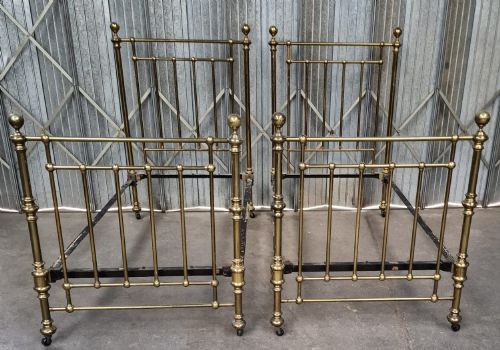
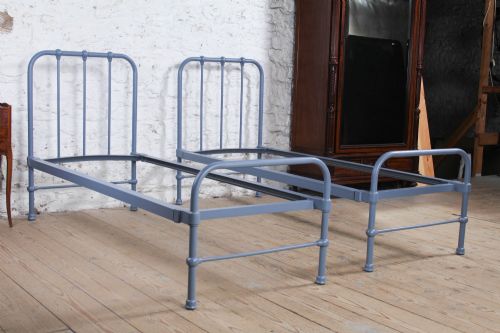
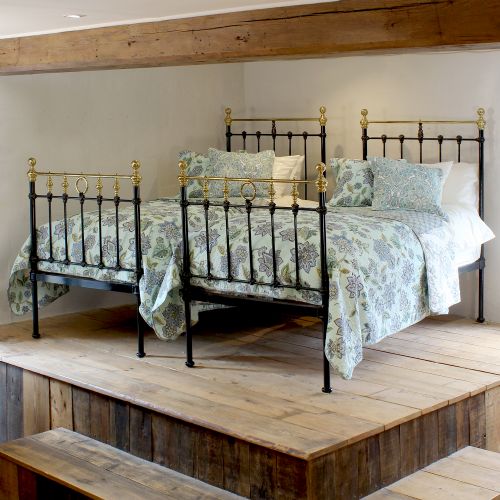
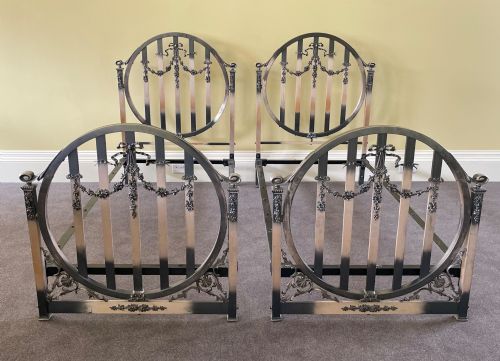
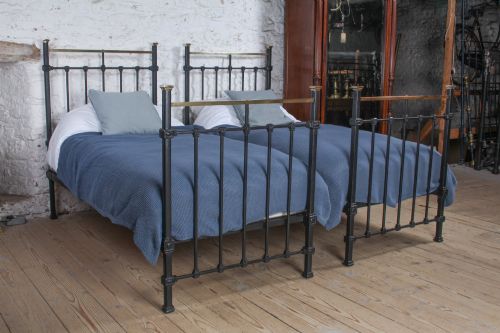
An iron twin bed frame serves as a practical single sleeping solution, frequently encountered as matching pairs designed to be joined together or used separately across dormitory, French Country, and Victorian settings. Buyers searching for an iron twin bed frame will find single beds, bedsteads, and platform beds dating from the late nineteenth century through to the Edwardian period. Many of these pieces originate from the 1880s, 1890s, and 1900, reflecting robust utilitarian design alongside decorative brass and nickel accents.
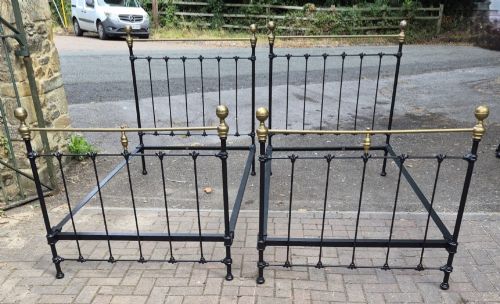
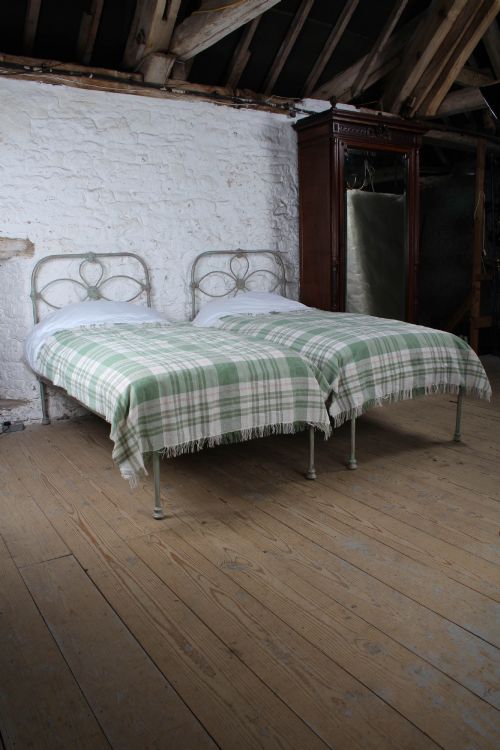
The selections span distinct regional styles, including English, French, American, and Portuguese traditional forms, often featuring no-end configurations or decorative rings. Surviving examples demonstrate how single iron beds were adapted for versatile domestic use, with several pairs retaining the capacity to join into a wider sleeping platform.
How They Were Made
Construction relies heavily on cast iron, wrought iron, and steel frameworks, frequently combined with brass components or nickel plating for decorative contrast. Metal casting and tube-forming techniques allowed workshops to produce durable structural elements, which were then finished with applied paint coatings in shades such as black, white, cream, and charcoal.
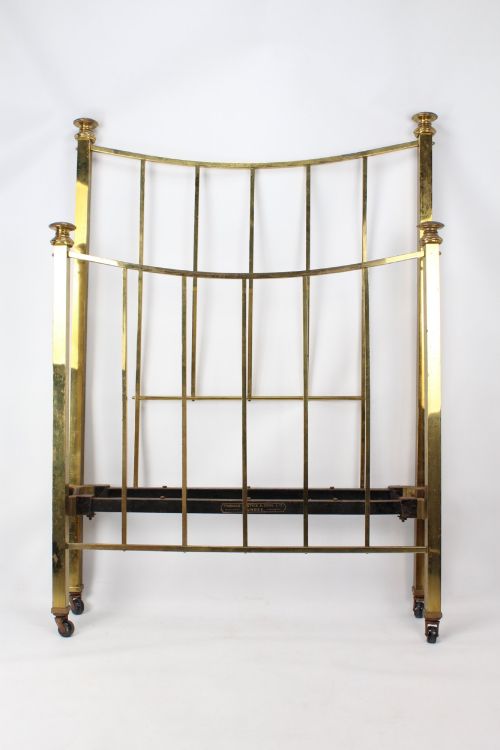
Detailing often incorporates ceramic elements and brass ornamentation secured to iron tubing, whilst structural joints utilise bolted mechanisms that allow the frames to be dismantled. The application of protective metal plating or painted finishes helped preserve the underlying ironwork through decades of domestic use.
Iron Twin Bed Frame Retail Price Guide 2026
Typical asking prices for iron twin bed frame among the pieces listed under this phrase on Sellingantiques today, from the lower quarter to the upper quarter. They describe what is for sale here now, not the wider market.
Listings feature periods spanning from the Victorian era through 1910, utilising cast iron, brass, steel, and nickel plating.
What Varies in Quality
The standard of an iron twin bed frame depends largely on the complexity of its metalwork, the integrity of its brass or nickel decorative elements, and the retention of original factory finishes. Pieces that incorporate specialised tube profiles, intricate brass casting, or refined nickel plating demonstrate superior workshop execution compared to simpler utilitarian variants.
Quality is also discerned in the retention of matching pairs and the original joining mechanisms that allow single beds to configure as a larger unit. The precision of the casting and the preservation of original painted surfaces distinguish exceptional examples from standard production pieces.
Hoskins & Sewell·R W Winfield
The Iron Twin Bed Frame Glossary
- Cast iron
- A strong, hard iron-carbon alloy poured into moulds to create rigid structural frames and decorative components. This material forms the primary load-bearing structure for the majority of nineteenth-century single beds.
- Nickel plating
- An electrolytic coating of nickel applied over base metals to provide a bright, corrosion-resistant surface. This finish was favoured during the Edwardian period for its clean, reflective appearance.
- Bedstead
- A framework of a bed designed to support mattresses and bases, encompassing both head and foot sections. In older examples, these structures are constructed entirely from iron and brass tubing.
- No end
- A bed design lacking a high footboard, presenting a streamlined profile that suits compact spaces. This configuration appears frequently in French and Victorian single bed variations.
- Platform bed
- A low-profile bed frame designed to support a mattress directly upon a base without traditional box springs. These structures often incorporate integrated wooden or metal slats.
Iron Twin Bed Frame: Frequently Asked Questions
Can these single beds be joined together?
Many surviving examples are specifically engineered as pairs that can be joined to form a wider sleeping platform. This adaptability made them popular for guest rooms and versatile household arrangements.
Buyers should examine the joining brackets and side rails to confirm how the two individual frames connect securely.
What periods do these iron beds come from?
The available pieces predominantly date from the late nineteenth century through to the early twentieth century. This spans the Victorian and Edwardian eras, encompassing years from the 1870s up to 1910.
Construction details, metal types, and decorative motifs help identify the specific manufacturing period of each bedstead.
How do I fit a modern mattress on an antique frame?
Most antique single beds were manufactured in nineteenth-century dimensions, which may differ slightly from modern standard sizing. Checking the internal length and width measurements against current mattress sizes is essential.
Platform bases or custom slats are frequently utilised to provide the correct modern support for these historic iron structures.
Are these beds made entirely of iron?
Whilst iron forms the primary structural framework, many examples incorporate complementary materials such as brass tubing, nickel plating, and ceramic details. Wrought iron and cast iron are often paired with decorative brass finials or scrollwork.
Painted finishes in black, white, cream, or charcoal are also commonly applied over the metal surfaces.