

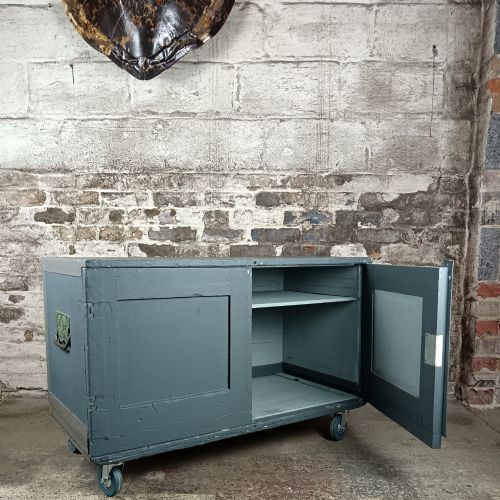
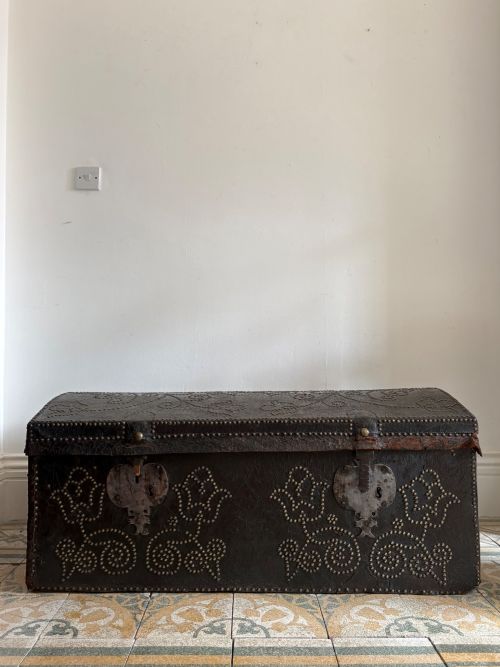
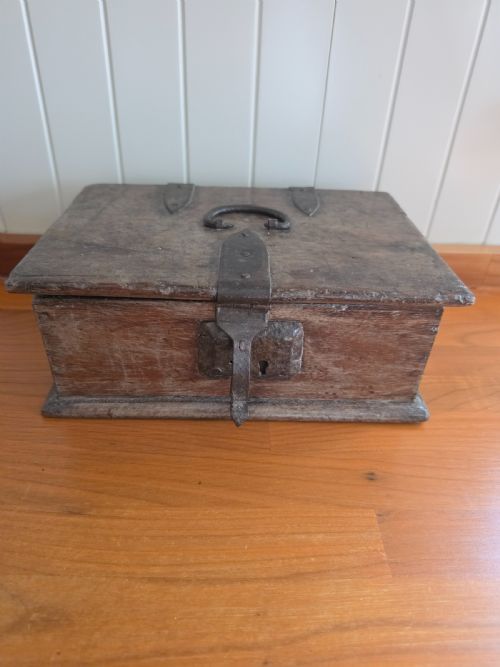


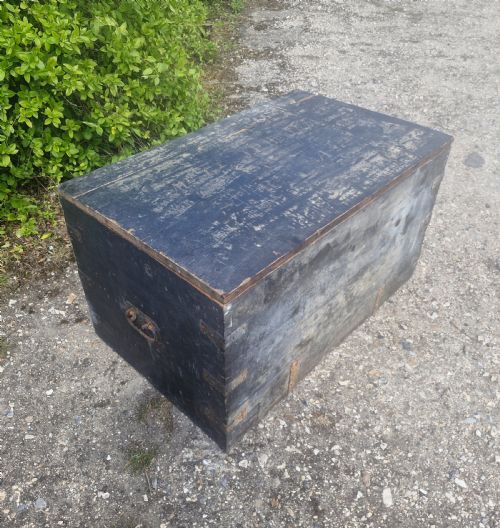


Iron Travel Chest
An iron travel chest is a sturdy container built for transit, combining metal and timber to protect belongings on the move.
Iron Travel Chest
An iron travel chest is a robust portable container designed to secure and transport belongings during journeys, emerging in forms from the sixteenth century onwards. You encounter examples primarily from the eighteenth and nineteenth centuries, including Victorian campaign pieces and domestic storage trunks.
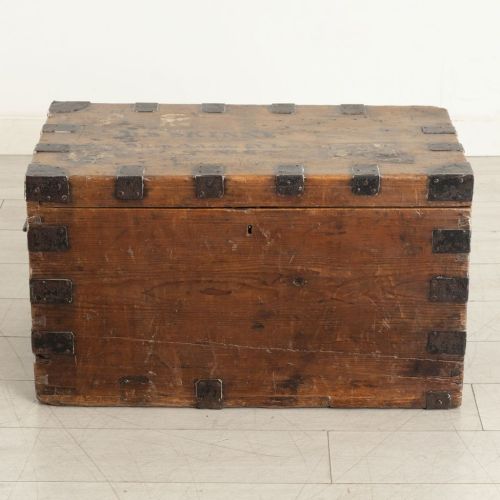
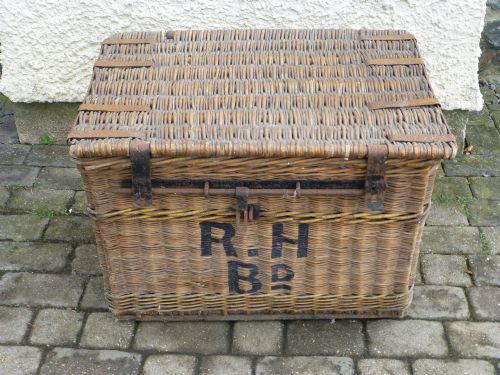
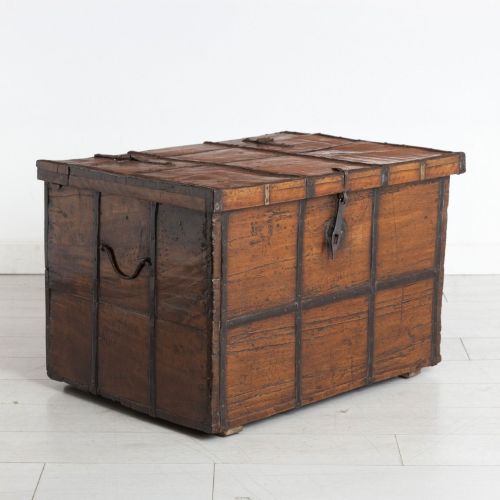
The selection here encompasses various utilitarian and military designs, spanning pine and oak carcases reinforced with iron bands, leather, and sheet metal. These pieces reflect the practical demands of travel, trade, and military campaigns across different eras.
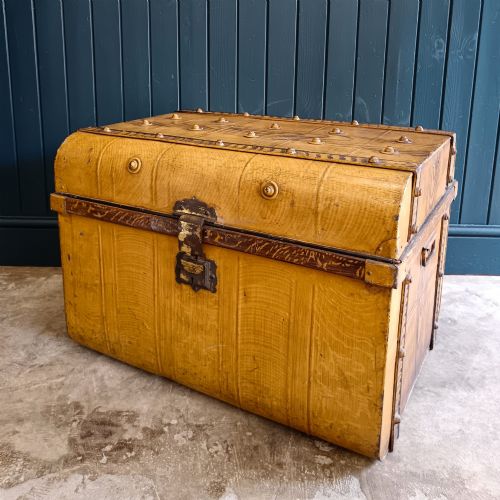
Most items you find on this page display the functional hallmarks of their period, such as dome tops for shedding water, carry handles, and secure metal bindings. They serve equally well today as practical coffee tables or deep storage boxes in modern homes.
How they were made
Carpenters and metalworkers built these chests using a timber carcase of pine, oak, or mahogany, which provided the primary structural strength. They reinforced these wooden bodies with iron banding, sheet metal, and brass fittings to withstand the heavy knocks of transit.
Surface treatments included painted finishes, faux-wood effects, and protective hides or leather secured with iron studs. Makers integrated stout carry handles and complex locking mechanisms to ensure contents remained secure while moving.
Iron Travel Chest Retail Price Guide 2026
Typical asking prices for iron travel chest among the pieces listed under this phrase on Sellingantiques today, from the lower quarter to the upper quarter. They describe what is for sale here now, not the wider market.
One surviving pine chest crossed paths with a resident of Dawn House in Winchester before finding its way to the modern market.
What varies in quality
The distinction between standard utility items and finer examples rests on the grade of timber selected and the complexity of the ironwork. Pieces featuring specialised linings, such as zinc for silver storage or rich painted interiors, typically represent more thoughtful craftsmanship.
Original maker labels, stamped hardware, and documented provenance elevate certain chests beyond basic transport boxes into significant historical artefacts. The retention of original leather coverings, studwork, and functional iron locks also dictates the desirability of a piece.
Seabrook of St Pauls London·Allen of London·Elkington·H D Dean
The Iron Travel Chest Glossary
- Campaign chest
- A portable piece of furniture designed to break down or withstand the rigours of military travel. These units often feature recessed brass handles and reinforced corners.
- Dome top
- A curved lid construction that encourages water runoff during outdoor transit. This shape also provided extra vertical clearance inside the chest.
- Iron bound
- A method of reinforcing timber boxes with straps of iron secured by rivets or nails. This construction prevented the wood from splitting under heavy loads.
- Hide
- Animal skin used as an outer covering on early trunks for weather resistance. It was often stretched over a wooden carcase and secured with decorative metal studs.
- Silver chest
- A specialised heavy-duty container lined to protect valuable silverware from tarnish and impact. They frequently incorporate compartmentalized interior trays.
Iron Travel Chest: Frequently Asked Questions
What were iron travel chests used for?
These chests served to transport personal belongings, military equipment, and valuables during long journeys by land or sea. Officers, merchants, and travellers relied on their robust construction to protect contents from weather and rough handling.
Over time, many transitioned from active transport to domestic storage within the home. Today, they continue this second life holding household items while functioning as decorative furniture.
How do I date an iron travel chest?
Dating relies on observing the combination of materials, construction methods, and hardware styles present on the piece. Earlier examples from the sixteenth and seventeenth centuries typically feature heavy oak carcases and hand-forged ironwork.
Nineteenth-century pieces often display industrial sheet metal, standardised screws, and machine-rolled iron bands. Maker labels or stamps, when present, provide the most precise indication of origin and date.
How do I live with an iron travel chest?
These chests integrate well into modern living spaces by offering substantial hidden storage capacity. Large dome-top and flat-topped trunks frequently double as coffee tables or blanket boxes at the foot of a bed.
Positioning them away from direct heat sources helps preserve vulnerable materials like leather, hide, and old pine. Regular light dusting keeps the ironwork and wooden surfaces in stable condition.
Are these trunks waterproof?
While historical travel chests utilised tight joints, dome tops, and metal or leather claddings to shed water during transit, they were not hermetically sealed. Over centuries, wood shrinkage and wear mean they are no longer suitable for outdoor exposure.
Indoor use protects them from moisture fluctuations that could damage the internal timber and rusted iron components. They keep dust and light at bay, but should be kept in stable dry environments.