



Iron Table Lamp
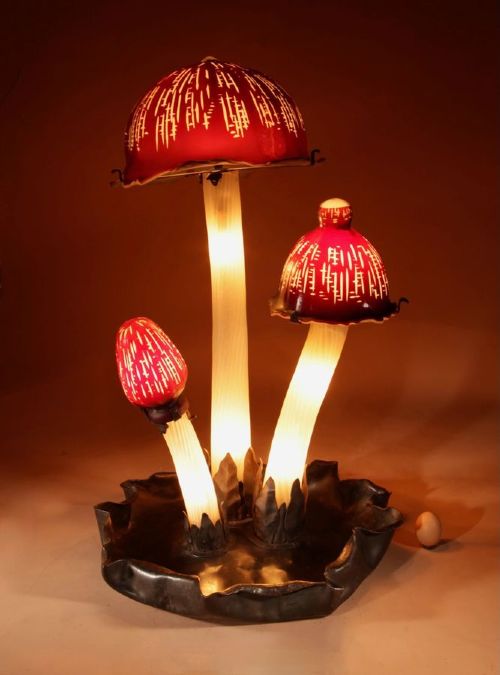
These iron table lamp pieces bring industrial strength and period character into a room, offering robust construction paired with glass, brass, and porcelain elements.
Iron Table Lamp
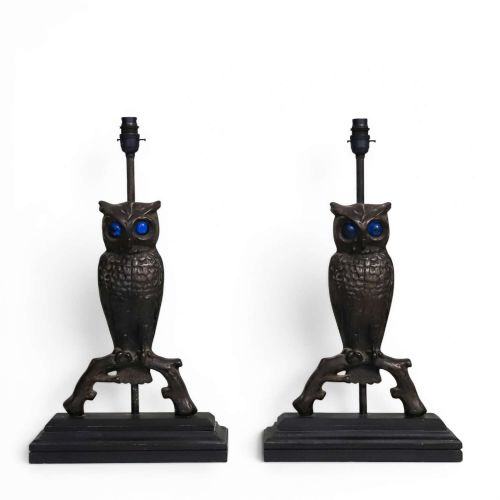
An iron table lamp combines heavy metal framing with functional illumination, taking forms ranging from converted andirons and naval gimbal lights to sleek art deco designs. Buyers seeking an iron table lamp encounter sturdy bases forged from cast or wrought iron, often paired with contrasting shades or mounted bodies.
The selection on this page spans from Victorian oil lamps and cottage examples to 1930s anglepoise desk lamps and art deco creations. Many pieces incorporate glass, fabric, or porcelain elements alongside the primary metal structure.
Origins stretch across British, French, American, and Japanese traditions, including Meiji period Kutani porcelain and Chinese export vases mounted for electrical or oil use. This variety reflects how functional lighting evolved from utilitarian workshop fixtures to decorative domestic objects.
How they were made
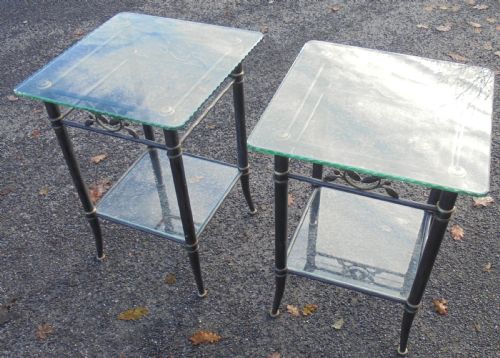
Makers utilised cast and wrought iron to form the main structural bodies and heavy supporting bases, ensuring stability for daily use. Wrought iron allows for hand-forged scrollwork and slender stems, whereas cast iron provides heavier, moulded detail.
Many examples incorporate applied surface treatments such as black enamel or combine the iron directly with brass mounts, art glass shades, and delicate porcelain bodies. Electrical conversions and mechanical joints, such as those found on articulated desk lamps, demonstrate period engineering alongside traditional metalwork.
Iron Table Lamp Retail Price Guide 2026
Typical asking prices for iron table lamp among the pieces listed under this phrase on Sellingantiques today, from the lower quarter to the upper quarter. They describe what is for sale here now, not the wider market.
Current listings feature iron table lamps paired with glass, brass, and Kutani porcelain across Victorian, art deco, and 1930s periods.
What varies in quality
The distinction between standard utility items and finer decorative pieces rests on the refinement of the metalwork and the quality of the secondary materials. Superior examples feature hand-forged detailing or crisp casting coupled with high-grade art glass, enamelling, or imported porcelain.
Proportion and integrity of conversion also dictate standing, as items altered from earlier utilitarian objects like andirons or ship fittings rely on the harmony of their assembled components. Well-executed mounts and preserved original finishes elevate the overall presence of the piece.
Hawkins·Lacroix·Lalique
The Iron Table Lamp Glossary
- Wrought iron
- Iron that has been heated and hammered into shape by hand, resulting in a fibrous structure and visible tool marks. This technique allows for organic curves and sturdy structural frames.
- Cast iron
- Iron poured into a mould to create rigid, highly detailed forms in volume. It provides the heavy, stable bases commonly found on utilitarian and decorative lamps.
- Gimbal
- A ringed pivoting suspension system designed to keep a lamp level aboard a ship despite the rolling of the vessel. Naval examples utilise iron and brass construction for marine environments.
- Art Deco
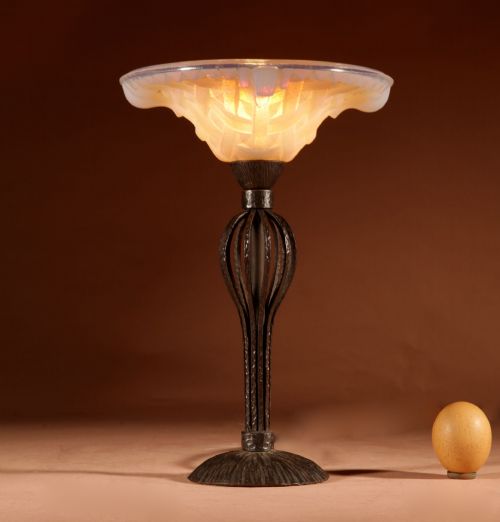
- A design style dominant in the 1920s and 1930s characterised by stylised geometry, sleek lines, and modern industrial materials. Lamps from this period often pair wrought iron with opalescent glass.
- Meiji Period
- The era in Japanese history spanning from 1868 to 1912, noted for export ceramics like Kutani porcelain. Vases from this period are frequently mounted into table lamps.
Iron Table Lamp: Frequently Asked Questions
What is an iron table lamp?
An iron table lamp is a lighting fixture featuring a structural base or frame made from cast or wrought iron. These pieces range from heavy industrial desk lamps to decorative Victorian and art deco designs.
Many examples incorporate mixed media, pairing iron with glass shades, brass mounts, or ceramic bodies to balance industrial weight with domestic refinement.
How do I date an iron table lamp?
Dating relies on stylistic markers, manufacturing techniques, and materials associated with specific decades. Art deco pieces from the 1920s and 1930s often feature geometric wrought iron paired with opalescent glass.
Earlier Victorian and nineteenth-century examples typically present as converted oil lamps or heavy cast bases reflecting cottage or maritime utility rather than modern industrial design.
Were these lamps always electric?
Many older pieces began their working lives as oil lamps, ship fittings, or even functional fireplace andirons before being adapted later. Conversions are standard practice for antique lighting to allow safe use with modern electricity.
Fittings and wiring are usually updated while preserving the original metal body, ceramic vase, or mechanical joints that define the period character of the object.
How do I clean an iron table lamp?
Maintenance requires gentle dusting with a dry cloth to protect exposed iron and any applied enamelled finishes. Harsh chemical cleaners can strip patinated surfaces or damage delicate glass and porcelain components.
Care should be taken around electrical wiring and historic brass mounts to maintain the stability and appearance of the metalwork over time.