



Iron Plant Display
Iron plant display pieces combine robust metalwork with practical tiers to elevate greenery inside the home or out in the garden.
Iron Plant Display
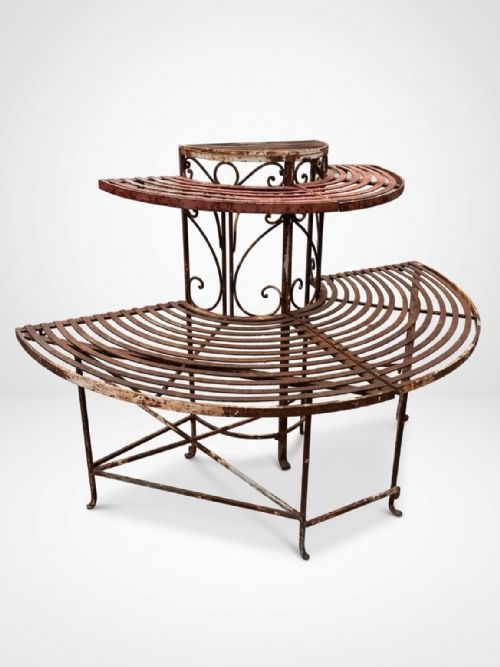
When you search for an iron plant display, you are looking at functional furniture designed to hold pots and planters at various heights. These items range from multi-tiered stands and bakers racks to heavy pedestals and column planters.
The pieces appearing on this page mostly date from the Victorian and Edwardian eras, spanning the nineteenth and early twentieth centuries. They turn up in forms such as circular three-tier stands, corner shelving units, and adjustable display tables.
Originating in both domestic conservatories and commercial settings like bakeries, these stands serve to organise botanical collections efficiently. Buyers acquire them to bring historical utility and industrial or classical structure to modern spaces.
How they were made
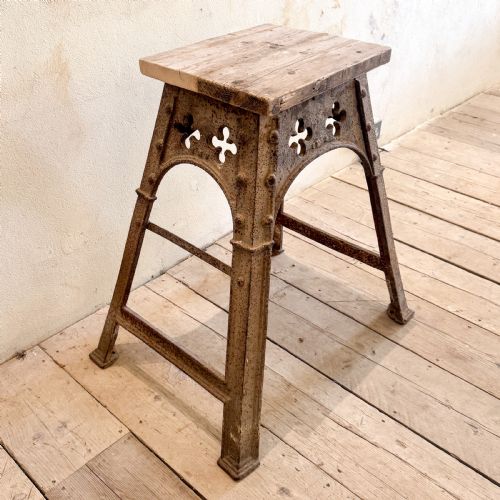
Makers shaped these stands primarily from cast iron and wrought iron, often combining them with supplementary materials such as brass scrolls, marble tops, and timber elements. Cast iron allowed for ornate, moulded botanical motifs and sturdy columns, whilst wrought iron provided flexibility for intricate scrollwork.
Finishes played a vital role in protecting the metal and defining the aesthetic, with pieces featuring protective layers of white or black paint, weathered surfaces, or gilded accents. Riveted joints and slatted construction methods ensured the stability needed to bear heavy earthenware pots and damp garden displays.
Iron Plant Display Retail Price Guide 2026
Typical asking prices for iron plant display among the pieces listed under this phrase on Sellingantiques today, from the lower quarter to the upper quarter. They describe what is for sale here now, not the wider market.
Several stands began life holding loaves of bread in bakeries before finding a second career supporting ferns.
What varies in quality
The distinction between ordinary and superior pieces rests on the complexity of the ironwork and the integrity of the materials. Finely cast scroll-work, delicate open wirework, and the inclusion of premium secondary elements like inset statuary marble separate standard utility items from more ambitious conservatory furniture.
Proportion and structural ingenuity also dictate quality, as seen in pieces offering adjustable mechanisms or heavy architectural column forms. The handling of surfaces, whether retaining early paint layers or polished brass details, further marks the distinction between workshop production and finer decorative design.
The Iron Plant Display Glossary
- Cast iron
- A strong, hard iron alloy poured into moulds to create intricate decorative patterns and sturdy structural columns. It forms the primary body for many Victorian plant stands and garden planters.
- Wrought iron
- Iron that is heated and hammered into shape by hand, resulting in tough, fibrous metal well-suited for scrolling frameworks. This material appears frequently in the lighter scroll-work and baker racks.
- Jardinere stand
- A decorative pedestal or stand specifically designed to hold a jardinere or large flower pot. These decorative pieces often occupy a prominent position in a Victorian drawing room or conservatory.
- Bakers rack
- An open metal shelving unit originally utilised in commercial bakeries for cooling bread, later repurposed for plant displays. Their multi-tiered metal construction lends itself naturally to holding collections of potted plants.
- Portico table
- A heavy architectural display table reminiscent of classical portico structures, often featuring iron supports and marble tops. They serve as substantial foundational surfaces for large botanical arrangements.
Iron Plant Display: Frequently Asked Questions
Where should I place an iron plant stand?
These stands suit both indoor conservatories and sheltered outdoor garden spaces, depending on their construction and finish. Painted surfaces require protection from persistent damp to prevent corrosion.
Heavier cast iron pieces anchor a room visually, whilst corner stands utilise neglected angles effectively for displaying trailing foliage.
How do I clean a painted iron plant stand?
Gentle dusting with a dry or slightly damp cloth preserves original surface patinas and early paint layers. Avoid harsh chemical cleaners that might strip historical finishes.
Cast iron benefits from occasional light waxing if kept indoors, whereas exterior pieces need careful monitoring for weathering.
How can I tell Victorian ironwork apart from later copies?
Examine the joints and casting marks for signs of nineteenth-century manufacturing methods, such as rough sand-casting textures or hand-forged rivets. Period pieces often display heavier gauges of metal and construction details consistent with nineteenth-century foundry practices.
Stylistic cues like Victorian neoclassical motifs or distinct Edwardian brass scrollwork also help anchor a piece in its correct era.
Can these stands support heavy ceramic pots?
Most cast and wrought iron stands were built precisely to bear the substantial weight of damp soil and earthenware pottery. Multi-tiered structures and column planters distribute loads across reinforced frames.
Checking the rigidity of the joints and the tier supports ensures a stand safely accommodates larger botanical specimens.