

Iron Garden Bench
An iron garden bench brings enduring structure and botanical charm to an outdoor room, offering a solid resting place that weathers the seasons.
Iron Garden Bench
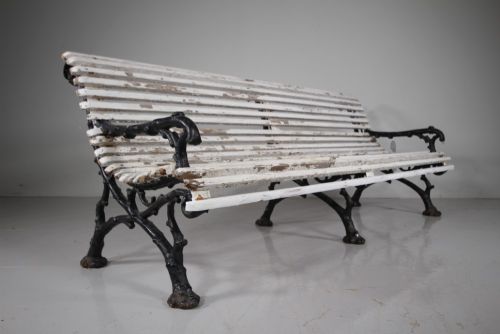
An iron garden bench represents heavy metal outdoor seating designed to endure the elements while providing a decorative focal point in a garden or courtyard. These pieces primarily date from the nineteenth and early twentieth centuries, spanning Victorian, Edwardian, and Regency periods.
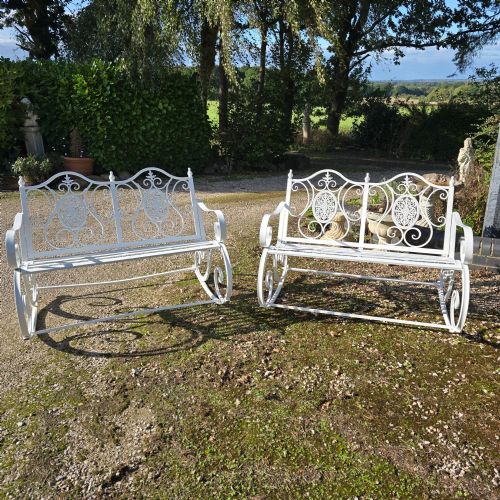
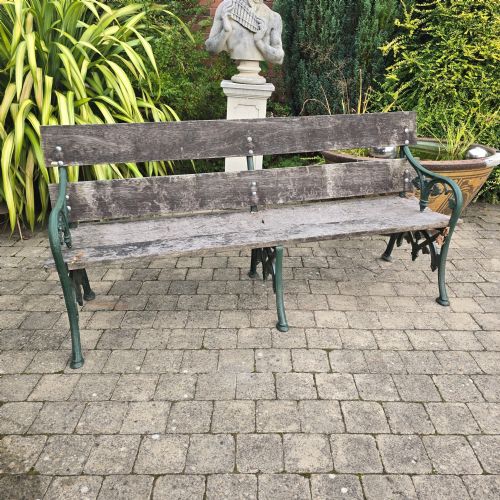
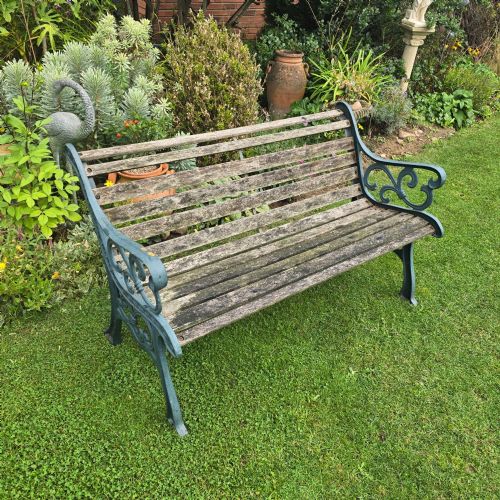
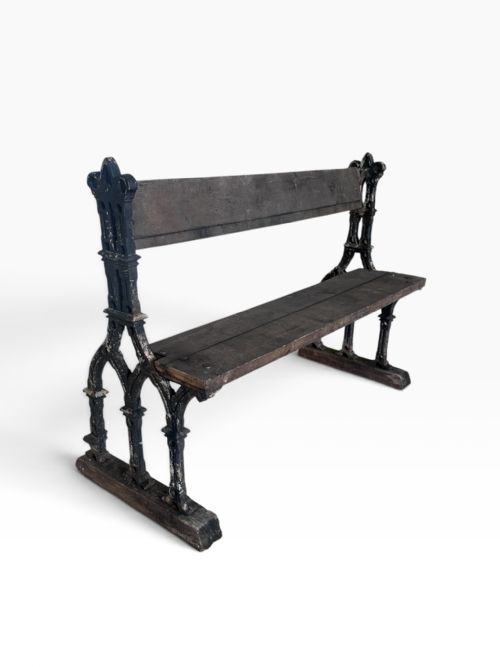
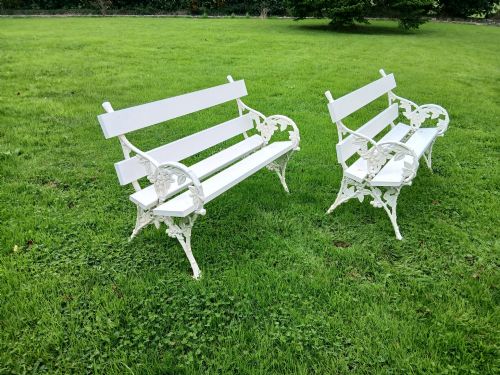
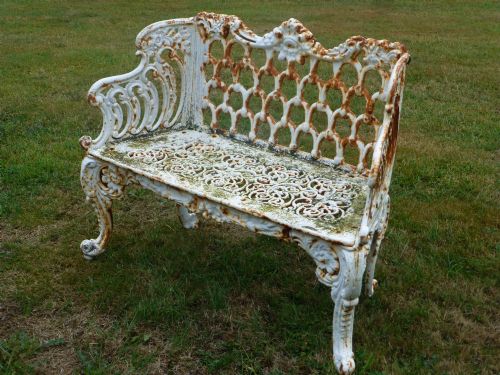
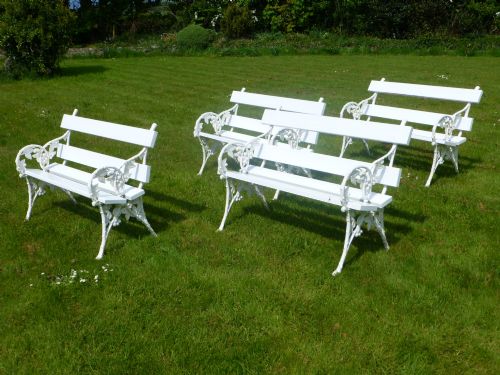
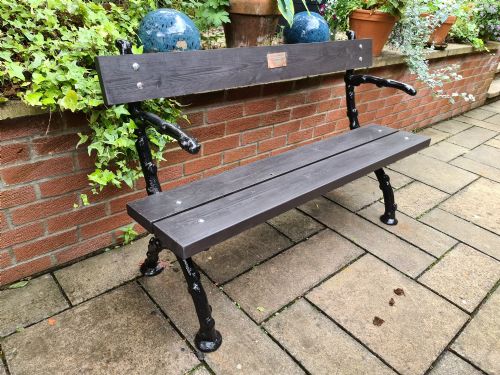
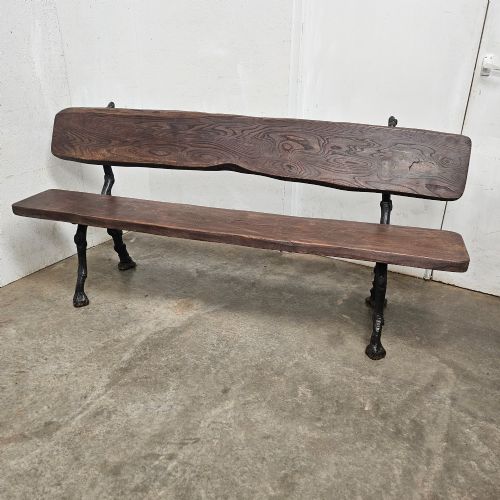
The most common examples encountered on this page combine sturdy cast iron frames with timber slats or feature entirely cast metal construction. Makers often employed ornate botanical motifs such as blackberry and leaf patterns, faux bois finishes mimicking wood, or geometric strapwork.
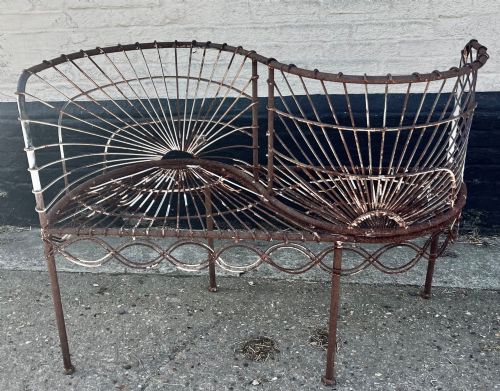
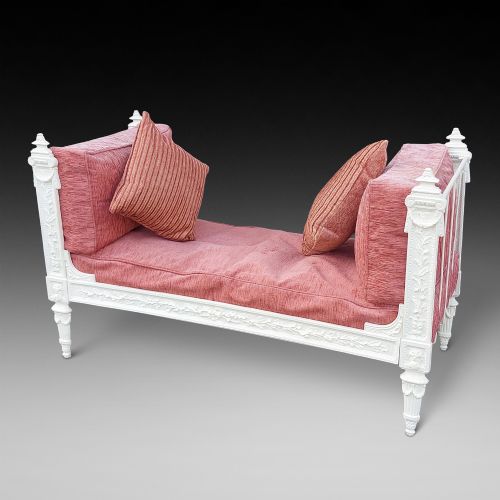
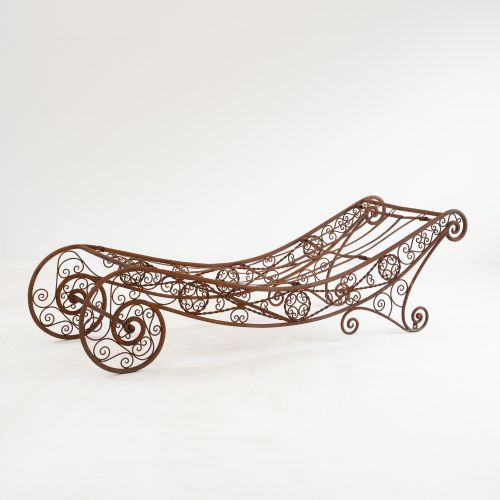
Beyond standard two-seater garden benches, buyers will find variations including conversation seats, daybeds, and matching sets with chairs. French and English origins dominate the selection, showing distinct regional preferences in metalwork and decorative styling.
Judging quality
Quality rests heavily upon the crispness of the casting and the depth of the decorative detail visible across the ironwork. Pieces produced by notable foundries exhibit sharper botanical rendering and cleaner lines in complex patterns like faux bois or gothic tracery.
The structural integrity of the metal and the proportion of the design dictate the overall standard of a bench. Heavier, thicker castings from established nineteenth-century makers provide greater stability and longevity than later, simpler reproductions.
Iron Garden Bench Retail Price Guide 2026
Typical asking prices for iron garden bench among the pieces listed under this phrase on Sellingantiques today, from the lower quarter to the upper quarter. They describe what is for sale here now, not the wider market.
Listings feature pieces spanning the Regency, Victorian, and Edwardian periods, constructed from cast iron, wrought iron, and timber.
Falkirk Carron Foundry·Coalbrookdale
The Iron Garden Bench Glossary
- Cast iron
- A strong, rigid iron alloy poured into moulds to create complex decorative shapes and heavy structural components. This material allowed nineteenth-century makers to produce ornate garden furniture with deep relief carving.
- Wrought iron
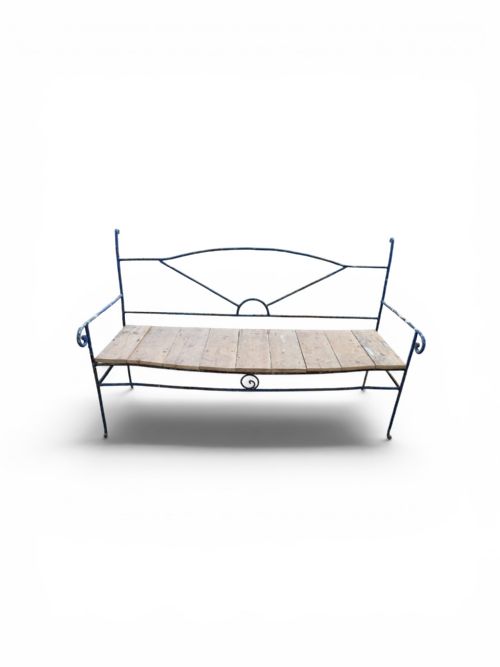
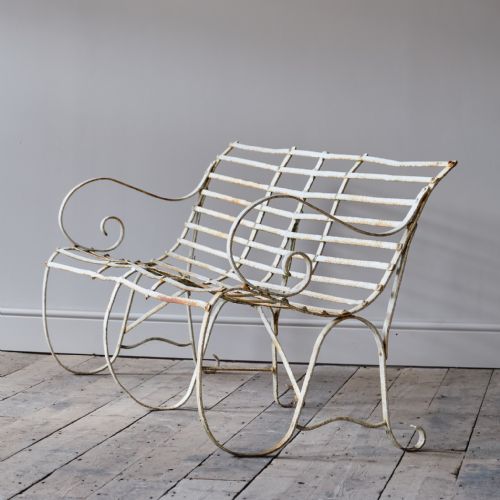
- Iron that is heated and hammered into shape by hand, resulting in a fibrous material ideal for strapwork and scroll designs. It offers high tensile strength and flexibility compared to cast iron.
- Faux bois
- A decorative technique mimicking the natural appearance of wood grain on non-wooden materials like cast iron or concrete. Victorian makers frequently applied this style to garden seats to blend metalwork into natural surroundings.
- Strapwork
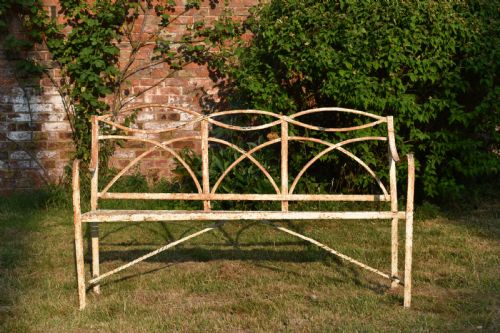
- An ornamental motif composed of flat, interlaced bands resembling leather straps or ribbons. This linear style appears frequently on Regency and Victorian metal garden benches.
- Daybed
- An elongated seating piece designed for reclining, occasionally adapted for outdoor garden use with iron frames and supportive backs. These forms often double as comfortable lounge furniture in shaded garden pavilions.
Iron Garden Bench: Frequently Asked Questions
How do I date an iron garden bench?
Dating relies on stylistic clues, foundry marks, and the manufacturing technique used for the metal components. Victorian pieces often feature heavy ornamentation and botanical motifs, while Regency examples lean toward linear strapwork.
Examining the construction fasteners and the wear patterns on the iron also helps determine whether a bench originates from the nineteenth century or a later revival period.
Can I leave my iron bench outside all year?
Iron garden benches are built for outdoor use and withstand exposure to rain and sun quite naturally. Applying appropriate protective paint coats helps prevent rust accumulation over decades of service.
During harsh winter months, storing benches under cover or protecting timber components preserves the materials against extreme moisture cycles.
What is the difference between cast and wrought iron?
Cast iron is poured into moulds while molten, allowing for intricate three-dimensional ornamentation like leaves, figures, and heavy structural ends. This material is strong under compression but can be brittle.
Wrought iron is manually heated and hammered by blacksmiths into flexible bars and scrolls. It yields lighter, resilient frames characterised by flat strapwork and geometric patterns.
Are these benches comfortable to sit on without cushions?
Historical garden benches were primarily designed with ergonomic curves in the iron or wooden slats to support the back and seat reasonably well. Many people add fitted fabric cushions for extended lounging during warmer months.
The slatted wood and contoured metal surfaces distribute weight evenly, making short periods of rest pleasant even without added padding.