



Iron Flower Stand
An iron flower stand brings architectural structure and enduring utility to any room or garden.
Iron Flower Stand
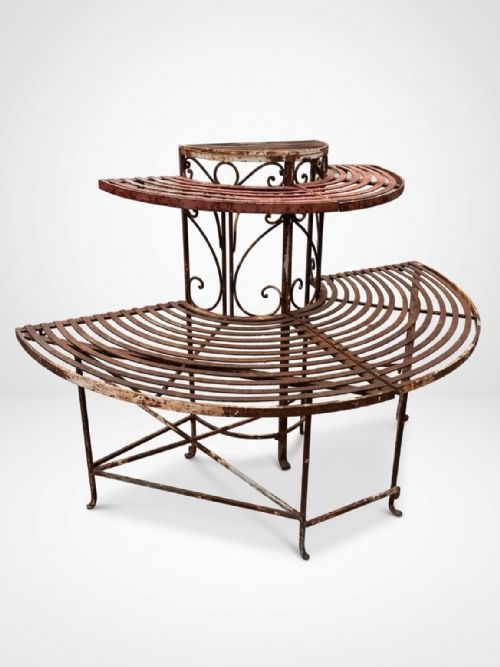
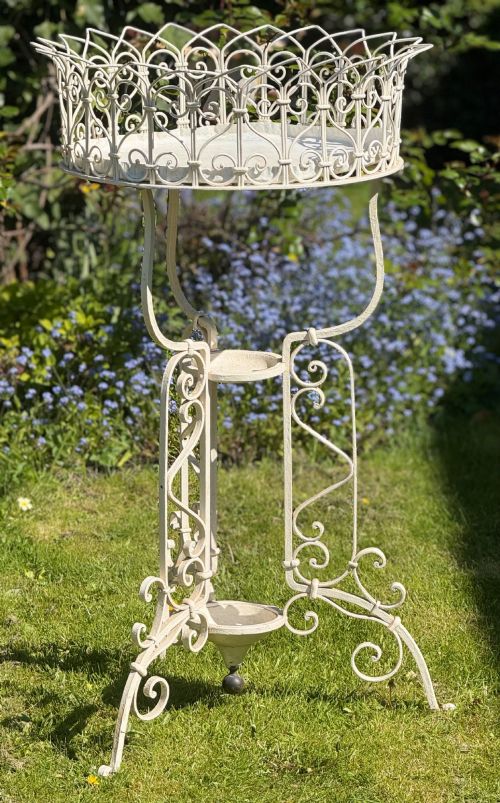
The versions most commonly met on this page span the nineteenth century, encompassing French country designs and English garden pieces. Buyers encounter various configurations including three-tier structures, corner units, and tall single pot stands.
Makers utilised resilient metals to build plant stands and garden planters that could support heavy earthenware and stone vessels. Their forms vary from functional shop display shelving to decorative patio urns with lattice baskets.
How they were made
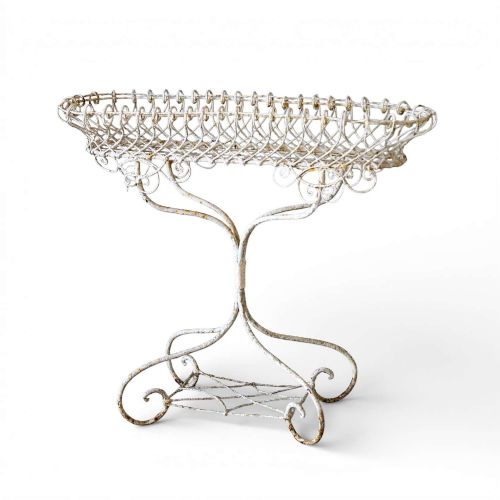
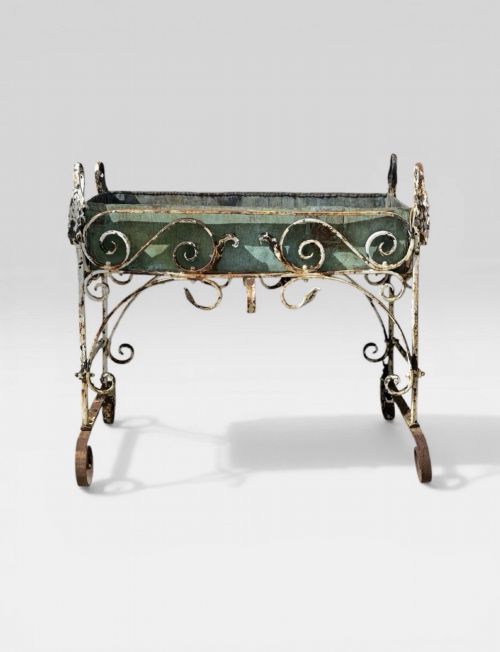
Craftsmen shaped wrought iron and cast iron into intricate scrollwork, rigid frames, and supportive tiers. Wirework and steel were also utilised for lighter framework, sometimes combined with zinc linings or stone bases.
Surfaces were frequently finished with protective layers of paint, which now show natural weathering and age. Riveted joints and slatted construction provided the structural integrity required to hold heavy garden planters.
Iron Flower Stand Retail Price Guide 2026
Typical asking prices for iron flower stand among the pieces listed under this phrase on Sellingantiques today, from the lower quarter to the upper quarter. They describe what is for sale here now, not the wider market.
Some nineteenth-century makers built stands versatile enough to double as shop display shelving.
What varies in quality
The distinction between standard utility items and finer examples lies in the complexity of the ironwork and the crispness of the scrollwork. Pieces featuring hand-forged details or thoughtful architectural proportions command greater attention.
Structural preservation and the integrity of joints dictate the overall standard of a survivor. Original painted surfaces that have weathered naturally add character compared to later, unsympathetic re-painting.
The Iron Flower Stand Glossary
- Wrought iron
- Iron that has been heated and hammered into shape by hand, resulting in a fibrous structure that allows for strong, bendable scrollwork. This material resists snapping under stress better than cast iron.
- Cast iron
- Molten iron poured into a mould to create complex shapes, decorative motifs, and rigid structural frames. It offers heavy stability for larger garden urns and multi-tiered stands.
- Wirework
- Construction utilising thin iron or steel wires woven or soldered into intricate lattice patterns. It was particularly popular for lightweight plant stands during the Georgian and Victorian periods.
- Jardiniere
- An ornamental pot or stand designed specifically to hold flowers or plants. They often feature decorative baskets or elevated basins suitable for grand reception rooms and conservatories.
Iron Flower Stand: Frequently Asked Questions
Where should I place an iron flower stand?
These stands suit both sheltered garden conservatories and interior living spaces where plants need elevation.
Their robust metal construction handles damp patio conditions as well as dry indoor flooring.
How do I clean a painted iron stand?
Dust gently with a soft brush and wipe down with a dry or lightly damp cloth to preserve the surface.
Avoid harsh chemical solvents that might strip away the historic paint layers and weathered patina.
Can these stands support heavy pots?
Cast and wrought iron stands were built specifically to bear the substantial weight of wet soil and earthenware.
Multi-tiered models distribute heavy loads across sturdy legs and braced shelves.
How can I tell the age of a stand?
Examine the construction methods, such as hand-forged scrollwork, riveted joints, and early wirework techniques.
Nineteenth-century pieces often display distinct patination and material thickness absent in modern reproductions.