




Iron Fireplace Insert
An iron fireplace insert grounds a room with the weight of coal or wood heating gone by.
Iron Fireplace Insert
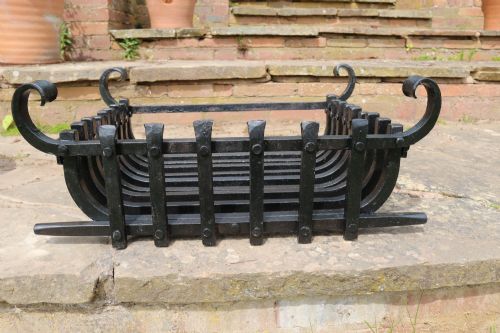
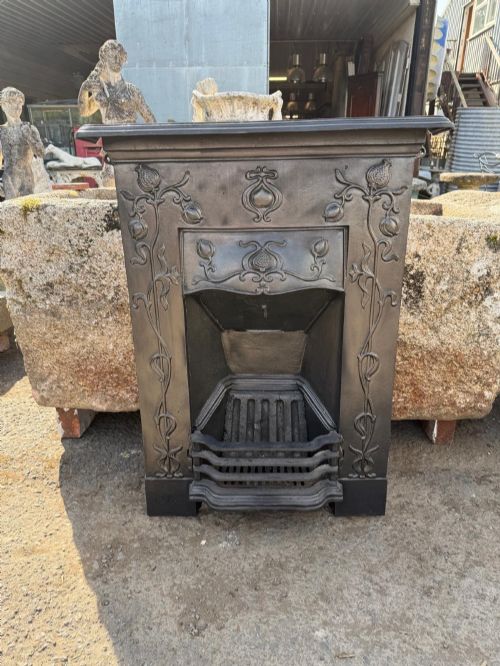
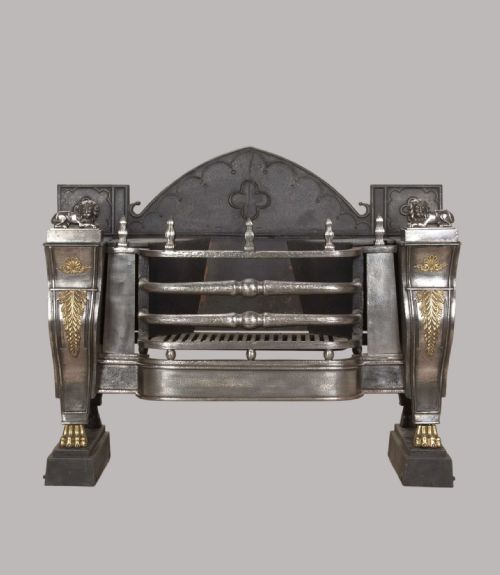
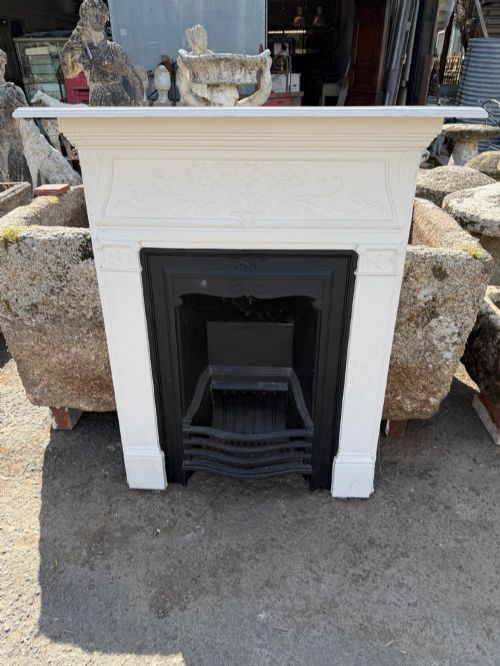
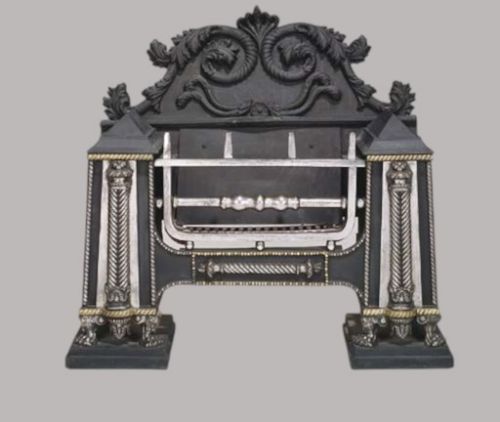
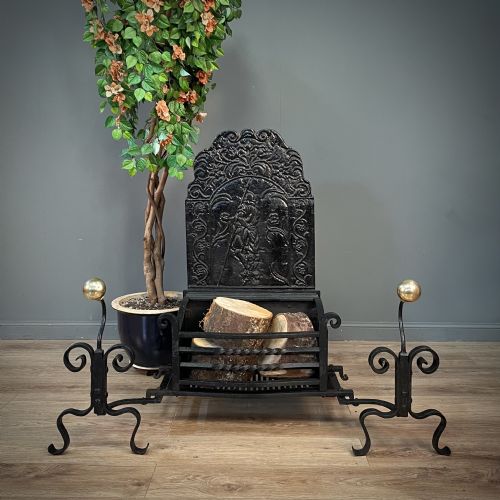
An iron fireplace insert sits within the structural opening of a chimney, framing the hearth and holding the fire itself. The forms seen here range from register grates and combination fireplaces to freestanding fire baskets.
Victorian and Georgian examples dominate, often paired with cast iron, wrought iron, or brass details. Buyers frequently encounter hob grates and register grates designed to regulate the draw of smoke.
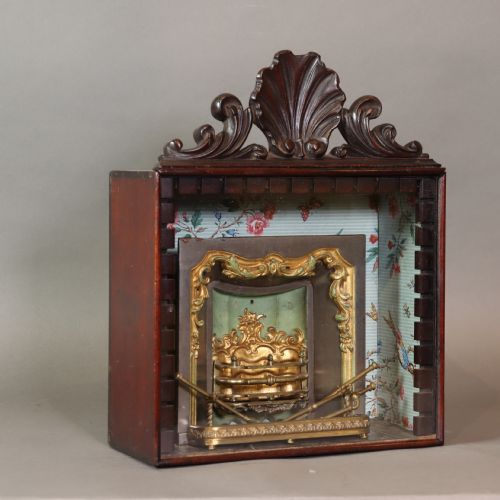
Originating across the nineteenth and early twentieth centuries, these inserts incorporate styles from Adam and Regency to Arts and Crafts and Jacobean Revival. Smaller variations, including miniature salesmen samples, also appear among full-scale grates.
How they were made
Foundry work relied on cast iron for structural bodies and decorative plates, shaped in sand moulds to capture Neoclassical or Adam style motifs. Wrought iron provided durable bars for fire baskets and grates that endured intense heat.
Makers integrated brass elements and occasionally timber or firebrick linings to complete the assembly. Detail work involved hand-finishing cast surfaces and mounting adjustable dampers in register grates.
Iron Fireplace Insert Retail Price Guide 2026
Typical asking prices for iron fireplace insert among the pieces listed under this phrase on Sellingantiques today, from the lower quarter to the upper quarter. They describe what is for sale here now, not the wider market.
The listings show cast iron, wrought iron, and brass as the primary metals used across Victorian, Georgian, and Edwardian periods.
What varies in quality
Quality rests on the crispness of the iron casting and the integrity of the original components, such as integrated brasswork and backplates. Pieces with defined stylistic ornament, from Regency classical lines to Arts and Crafts wrought ironwork, demonstrate superior foundry skill.
Proportion and scale distinguish finer grates, whether dealing with massive register grates or diminutive items like miniature salesman pieces. The survival of operational dampers and fire grates intact elevates the standard of a surviving example.
Coalbrookdale
The Iron Fireplace Insert Glossary
- Hob grate
- A type of fireplace insert featuring raised side shelves, or hobs, used for keeping kettles warm. These units are typically cast in iron and date to the Georgian and Regency periods.
- Register grate
- A framed fireplace insert equipped with a movable metal plate or flap, known as a register, which regulated the airflow and draught up the chimney. They are frequently found in nineteenth-century interiors.
- Fire basket
- An open metal basket designed to hold coal or wood logs, standing either on legs within a hearth or integrated into a larger register frame. They are constructed from cast and wrought iron.
- Combination fireplace
- A single-piece mantel and grate assembly popular during the Victorian era, combining the surround and the fireplace insert into one unit. They were cast in iron to standardise domestic heating.
Iron Fireplace Insert: Frequently Asked Questions
What is an iron fireplace insert?
An iron fireplace insert is a self-contained metal unit designed to fit into a structural chimney opening to burn solid fuel. They include register grates, hob grates, and combination fireplaces.
These pieces served as both the functional hearth and the decorative focal point of a room during the eighteenth, nineteenth, and early twentieth centuries.
How do I know the period?
Dating relies on stylistic clues, such as the delicate neoclassical urns of the Georgian period or the heavier cast iron ornamentation of Victorian combination fireplaces. Construction methods, including the transition from hand-wrought bars to mass-produced castings, also signal the era.
Evidence from surviving pieces points to distinct eras ranging from the eighteenth century through the Edwardian period and into the 1930s.
Can these inserts burn wood?
Many historical grates and fire baskets were originally designed for coal rather than large logs, depending on the spacing of the iron bars. Firebrick linings helped contain the heat within the metal frame.
Consulting a specialist before lighting any historic grate ensures the ironwork can handle modern fuel loads safely.
Where were they used?
These fireplace inserts stood in the primary reception rooms and bedrooms of houses across Britain, scaled from large register grates down to small proportions for secondary spaces.
Miniature versions also served as travelling salesman samples to show prospective buyers the patterns available from foundries.