

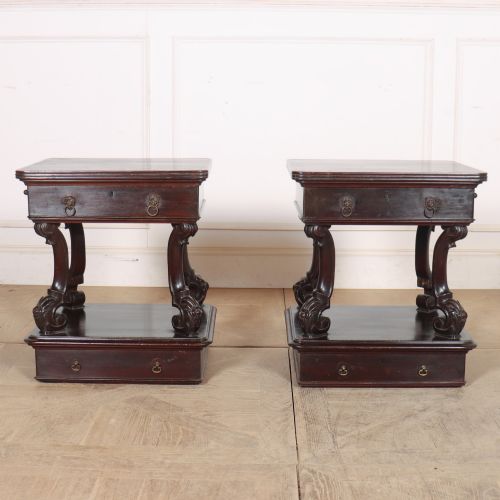

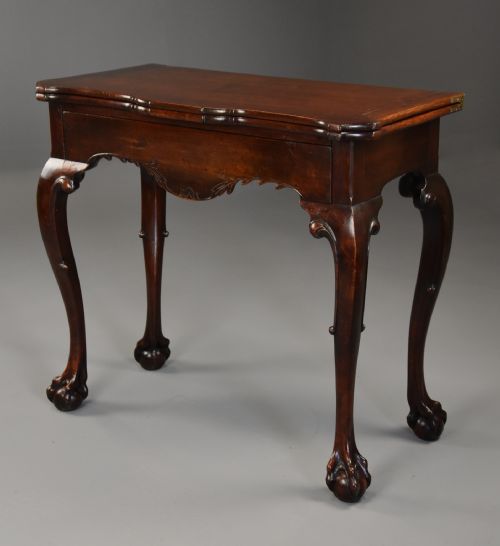
Irish Carved Table
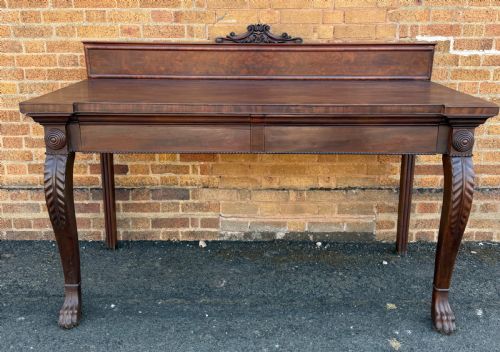
An irish carved table brings substantial presence to a room through deep timber relief and bold proportions.
Irish Carved Table
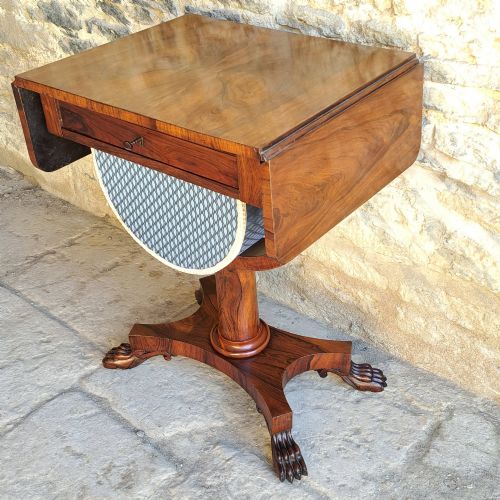
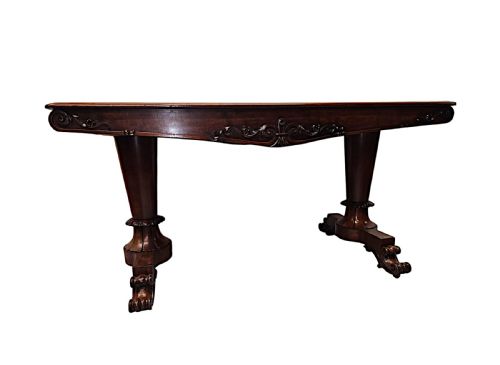
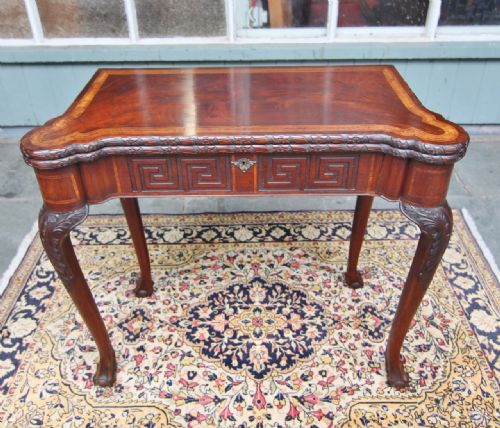
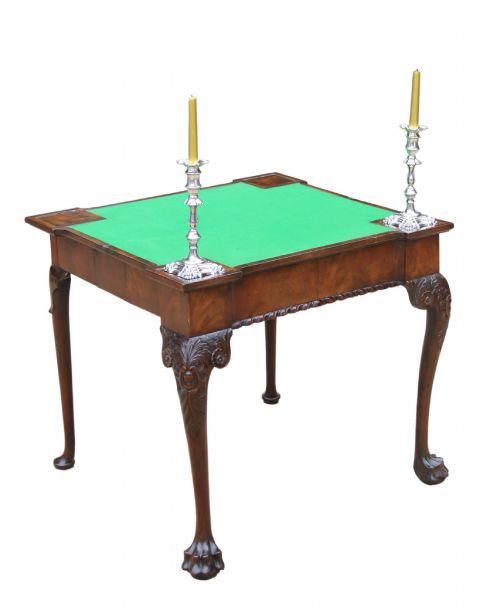
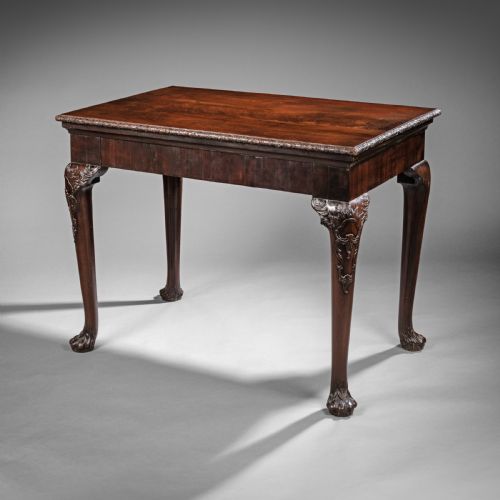
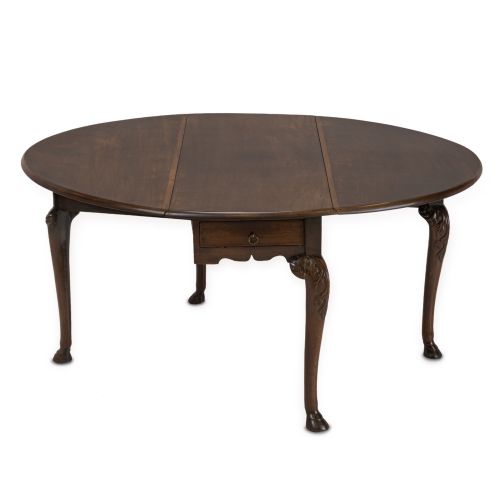
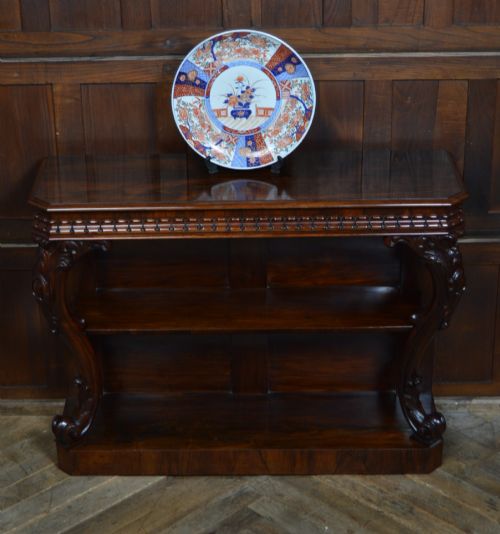
An irish carved table encompasses a broad range of forms including console tables, serving tables, card tables, and library tables spanning the eighteenth and nineteenth centuries.
The pieces appearing most frequently on this page date from the Georgian, Victorian, and William IV periods, often constructed from dense hardwoods like mahogany and walnut.
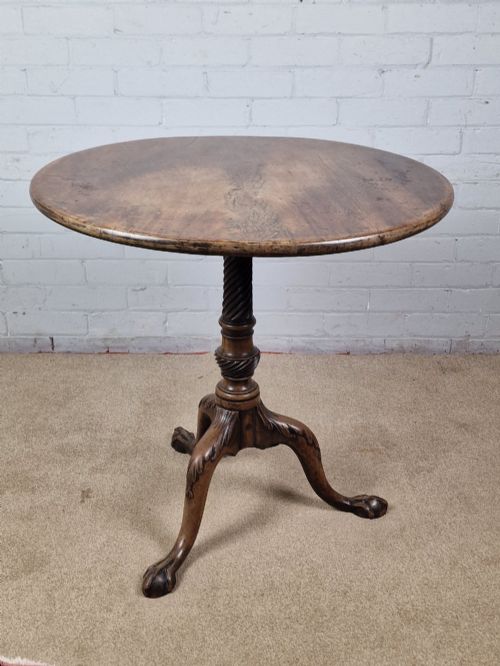
These tables serve functional roles as writing desks, dining surfaces, and side supports while displaying distinct regional carving traits such as lion masks and paw feet.
Materials and Construction
Makers utilised solid timbers such as mahogany, walnut, rosewood, and pollard oak, frequently selecting figured veneers for tops and cabinet fronts.
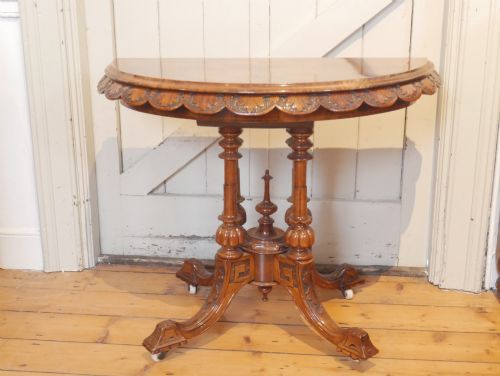
Joinery techniques included concertina actions for card tables and tripod tilt mechanisms for occasional tables, supported by brass hardware and leather inserts.
Card tables and serving tables represent the most common forms found within this category.
Assessing Quality
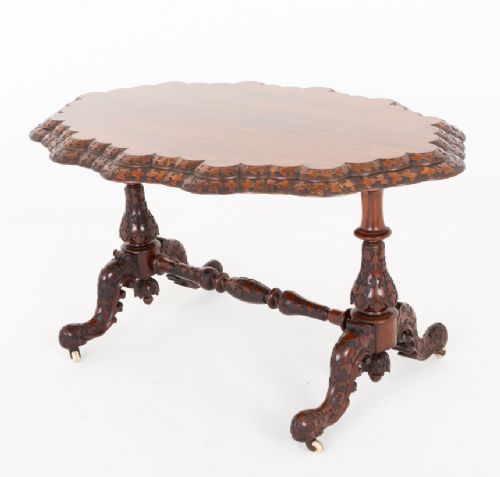
Quality rests upon the crispness of the timber carving, where deep relief work on cabriole legs and aprons demonstrates the hand of a skilled maker.
The selection of figured wood grains and the integrity of original secondary timbers dictate whether a piece holds premier standing.
Williams and Gibton·Robert Strahan·Gillingtons·Hicks of Dublin
The Irish Carved Table Glossary
- Concertina action
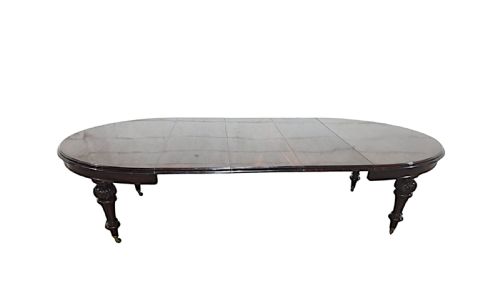
- An expanding frame mechanism that allows a folding card table to pull open evenly while maintaining stable legs at each corner. This design requires precise internal woodwork.
- Tripod tilt top
- A circular table top mounted on a mechanism that pivots vertically and rests upon a three-legged pedestal base. This allowed tables to be stored flat against walls when not in use.
- Killarney ware
- Decorative wooden furniture and small objects inlaid with multi-coloured native timbers, often featuring local foliage motifs. It is strongly associated with nineteenth-century Irish production.
- Tea poy
- A small cabinet on legs designed to store loose tea leaves inside internal caddies. These pieces often feature elaborate carving and fitted interiors.
- Console table
- A wall-mounted or freestanding table designed to sit against a flat surface, frequently topped with marble or matching timber.
Irish Carved Table: Frequently Asked Questions
What periods do these tables cover?
The listings span from the early eighteenth century through the Victorian era, encompassing George II, George III, Regency, and William IV styles.
Most examples reflect nineteenth-century interpretations alongside earlier eighteenth-century designs.
How were serving tables used?
Serving tables stood against dining room walls to hold heavy dishes, silverware, and serving platters during large meals.
Their robust construction of mahogany or oak supported substantial weight without flexing.
How do I identify Irish work?
Irish pieces often display distinct carving motifs such as lion masks, deeply undercut foliage, and bold proportions not commonly found in English counterparts.
Makers frequently utilised dense native walnut or rich mahogany with deep patination.
Where should I place a library table?
Library tables work well freestanding in the centre of a room or study because their finished backs allow thirty-six-degree viewing.
Their generous dimensions provide a stable surface for writing and displaying books.