

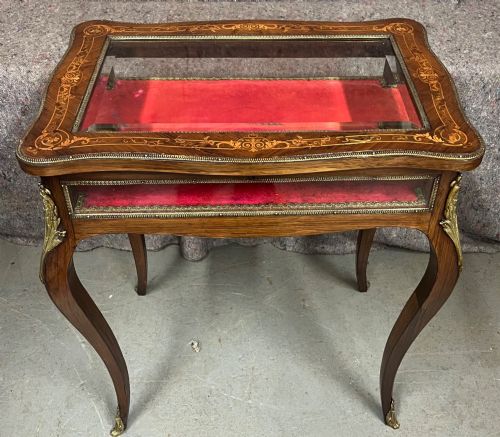
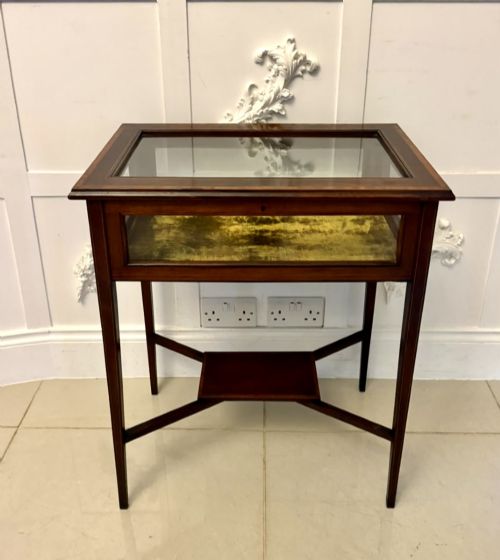
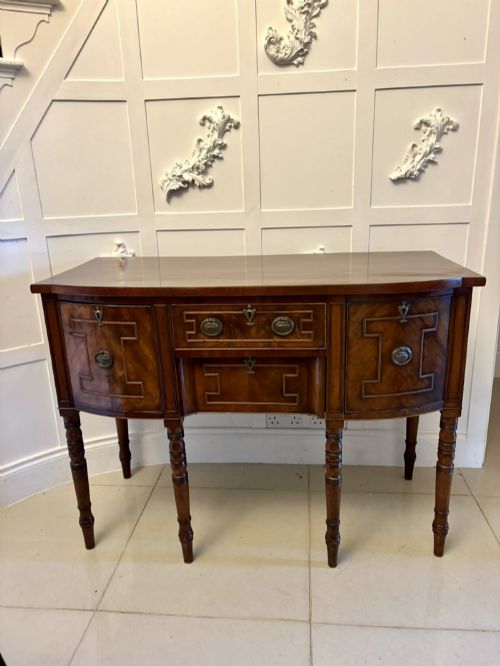
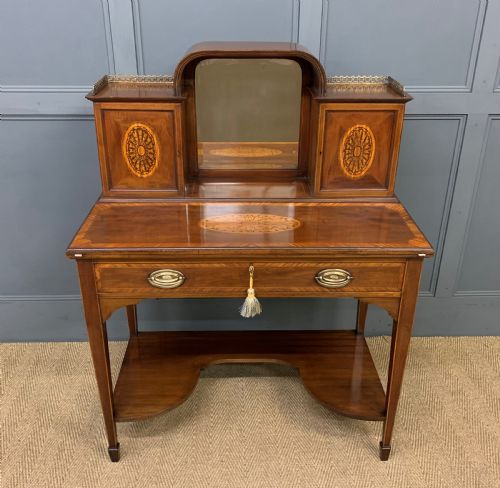
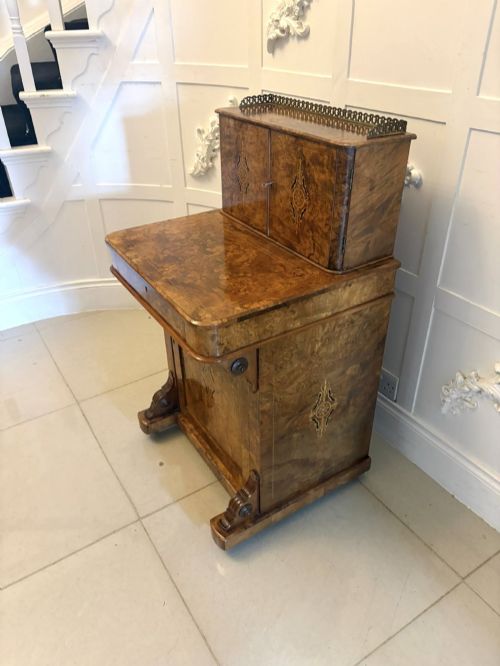
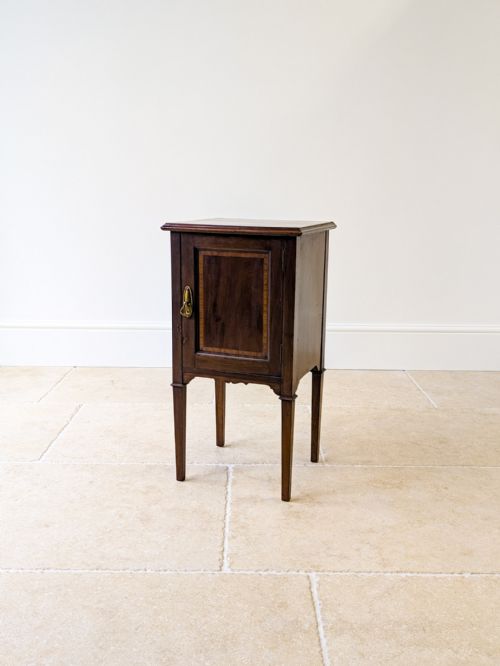
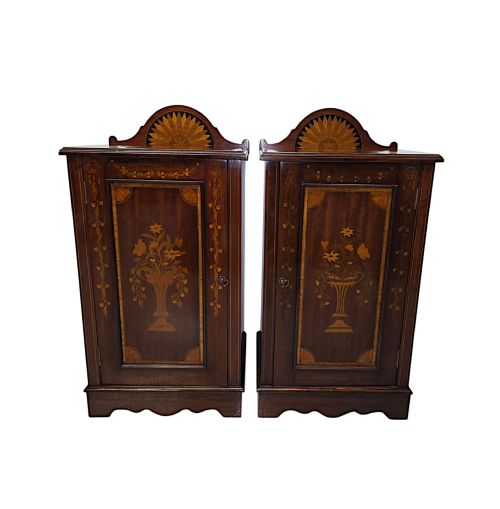
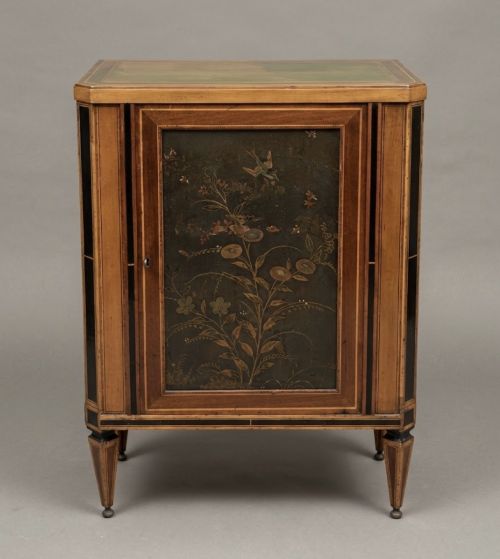
Inlaid Table Cabinet
An inlaid table cabinet brings timber and meticulous detail together, offering compact storage with surface presence.
Inlaid Table Cabinet
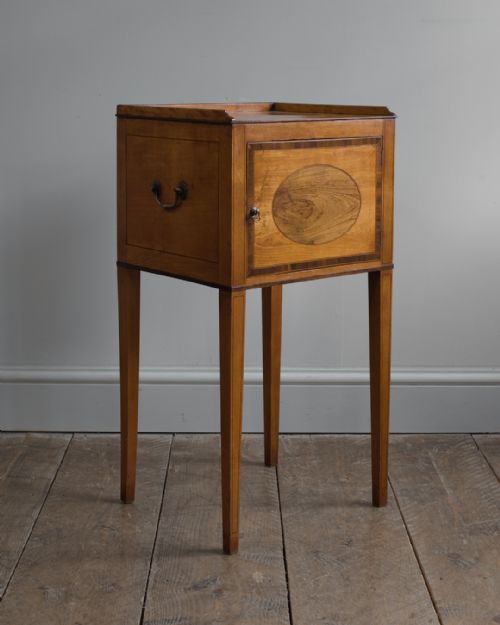
An inlaid table cabinet combines the utility of a small stand with the decorative depth of patterned woodwork. These pieces appear across several periods, from Georgian and Victorian eras through to Edwardian and Art Deco designs.
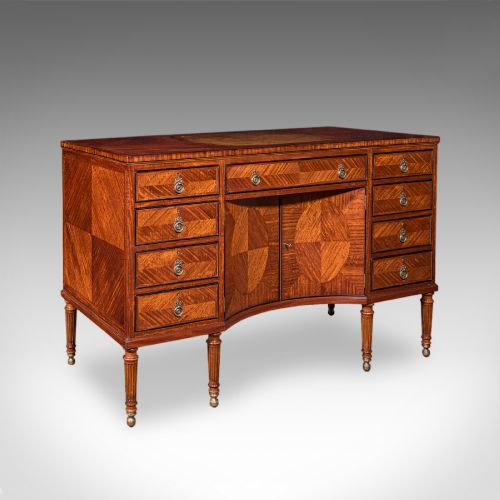
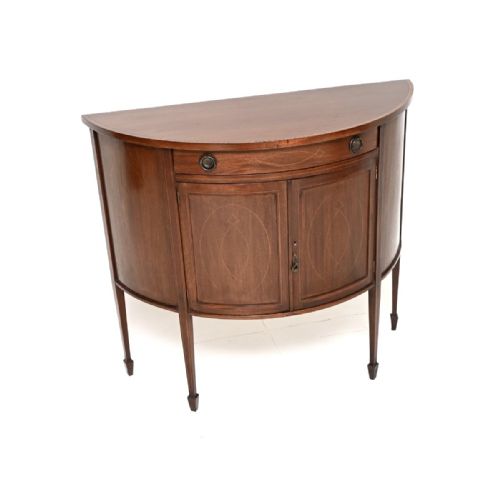
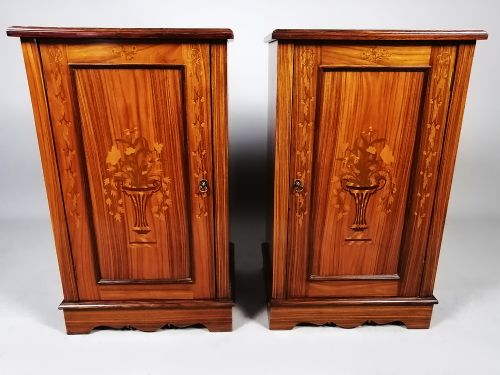
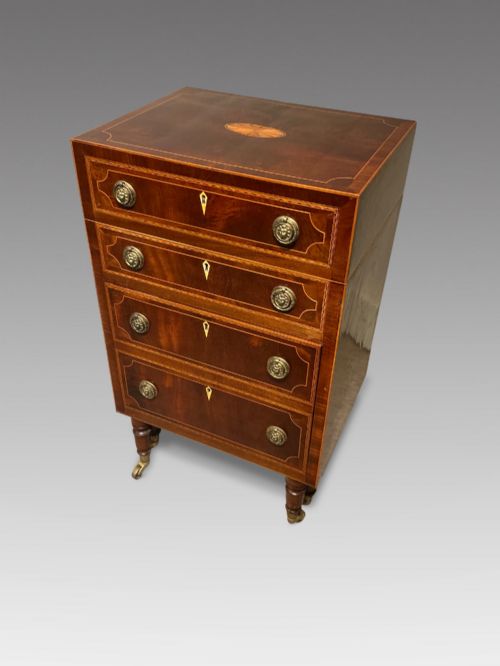
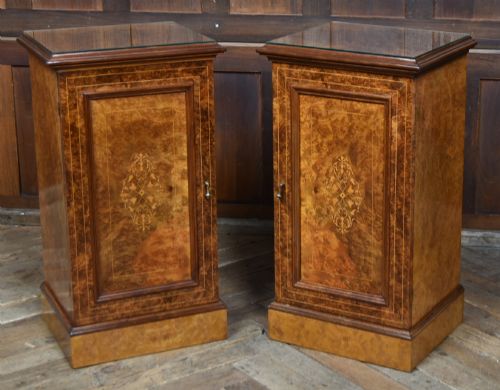
The form encompasses bedside cupboards, lamp tables, and small side cabinets equipped with drawers or doors. Edwardian mahogany examples and French kingwood pieces with marquetry are common encounters within this selection.
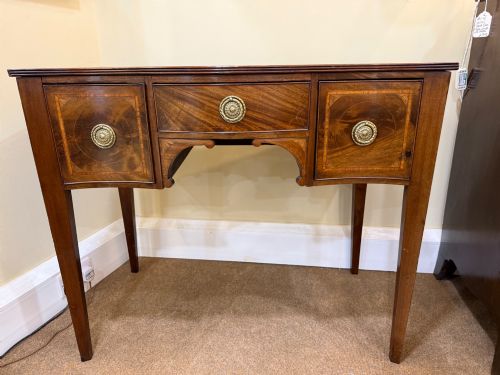
Makers often integrated brass mounts, marble tops, or tapered legs to elevate the basic carcass structure. The resulting furniture functions equally as practical storage and ornamental focal points within a room.
Materials and Construction
Workshops utilised dense hardwoods such as mahogany, walnut, and rosewood for the primary carcases, providing structural stability. Finer timbers like satinwood and kingwood supplied contrasting veneers for outer surfaces.
Craftsmen applied marquetry and satinwood inlay to create geometric or floral motifs across doors and tabletops. Brass mounts and handles finished many pieces, while certain French and Italian examples incorporated fitted marble tops.
Inlaid Table Cabinet Retail Price Guide 2026
Typical asking prices for inlaid table cabinet among the pieces listed under this phrase on Sellingantiques today, from the lower quarter to the upper quarter. They describe what is for sale here now, not the wider market.
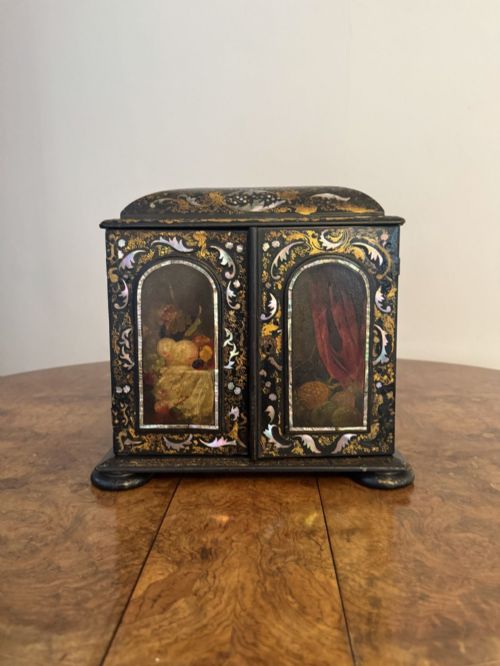
Several diminutive jewellery boxes and bedside cabinets survive in pristine condition, having quietly stored small treasures for generations.
Evaluating Execution and Detail
Quality rests upon the precision of the timber matching and the sharpness of the inlay work. Finer examples display seamless integration of contrasting woods without gaps or rough joins along the edges.
The choice of secondary timbers inside drawers and the weight of the hardware indicate the standard of production. Subtleties in proportion and the crispness of marquetry separate standard workshop output from exceptional commissions.
Bath Cabinet Makers·Flashman And Co·Maple And Co
The Inlaid Table Cabinet Glossary
- Marquetry
- A decorative technique applying pieces of veneer to a structure to form ornamental designs or pictures. This method defines many French and English pieces.
- Kingwood
- A dense, heavily grained exotic timber valued for its rich colouring and decorative veneer potential. It appears frequently on French bedside furniture.
- Satinwood
- A light-coloured, lustrous timber utilised for contrasting stringing and detailed inlay work. Cabinetmakers prized it for border decoration.
- Crossbanding
- A strip of veneer applied around the border of a panel with the grain running at right angles to the centre. This frames the primary wood panel.
- Davenport
- A small desk featuring a sloped writing surface above a pedestal of drawers. Some versions incorporate stationery compartments.
Inlaid Table Cabinet: Frequently Asked Questions
Where should I place an inlaid table cabinet?
These compact pieces fit well beside a bed as a bedside cupboard or stand next to seating as a lamp table. Their finished backs and detailed surfaces allow them to sit freestanding in a room.
Ensure the surface remains away from direct heat sources to protect the delicate veneers and polished timber finishes from drying out.
How do I care for antique veneered furniture?
Dust the timber regularly with a soft, dry cloth and avoid applying silicone-based polishes. Maintaining a stable indoor humidity prevents the veneers from lifting or cracking over time.
Use coasters beneath any items placed on the marble or wooden surfaces to guard against moisture rings and scratches.
How do I distinguish Edwardian pieces from Victorian ones?
Edwardian items tend to display lighter mahogany frames with delicate satinwood inlay and tapered legs. Victorian examples often utilise heavier burr walnut or rosewood with darker, robust proportions.
Checking the secondary woods inside drawers and the style of the brass hardware helps confirm the period of manufacture.
What is the difference between a cabinet and a side table?
A table cabinet incorporates enclosed storage space behind doors or within stacked drawers rather than resting on an open frame. This provides concealed storage for small household items.
Many examples combine both functions by offering a flat upper surface for lamps alongside a functional cupboard below.