



Inlaid Parlor Chair
An inlaid parlor chair brings refined nineteenth-century craftsmanship and decorative detail into a modern room.
Inlaid Parlor Chair
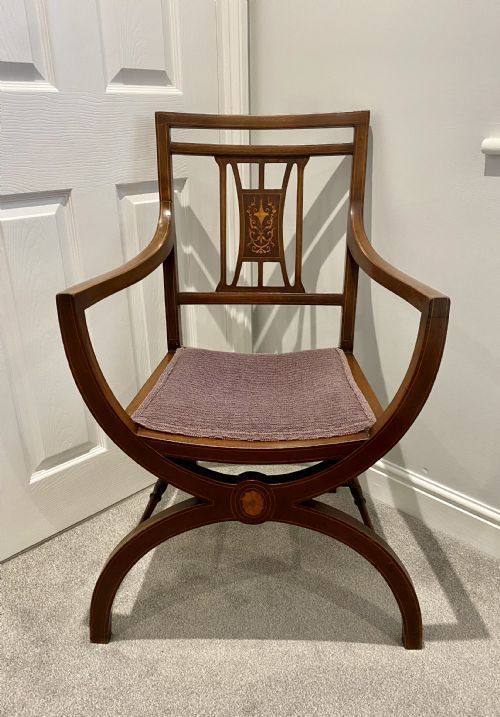
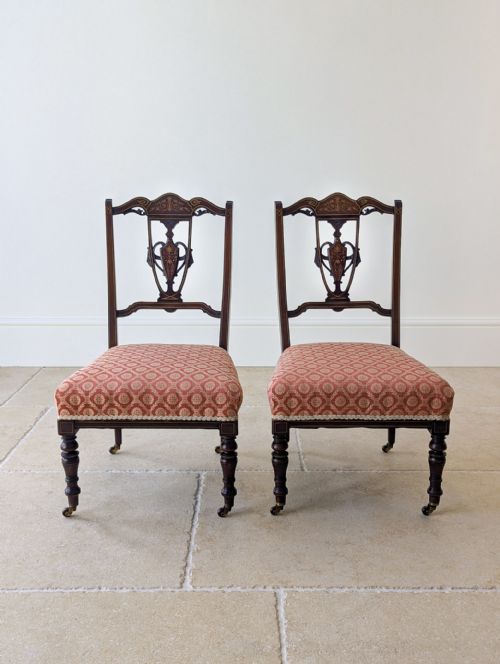
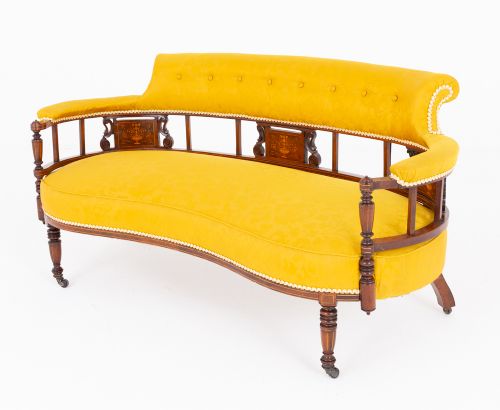
These pieces range from single occasional chairs and armchairs to complete salon suites and matching settees. The forms include corner chairs, tub shapes, and low salon chairs intended for comfortable entertaining.
Materials and construction
Makers utilised solid timbers such as mahogany, rosewood, walnut, and beech as the structural foundation for these seats. Satinwood and various other contrasting woods were shaped into delicate marquetry and stringing patterns embedded directly into the primary timber.
Upholstery formed an integral part of the original design, utilising fabrics like velvet alongside supportive internal stuffing and brass hardware. Surviving pieces often retain their upholstered pads or present frames ready for new fabric.
Inlaid Parlor Chair Retail Price Guide 2026
Typical asking prices for inlaid parlor chair among the pieces listed under this phrase on Sellingantiques today, from the lower quarter to the upper quarter. They describe what is for sale here now, not the wider market.
Several pieces arrive ready for fresh upholstery, offering a tactile canvas for modern velvet and traditional fabric choices.
Assessing quality in inlaid seating
Quality rests upon the precision of the joinery and the intricacy of the inlay work. Superior examples display tightly fitted wood joints and crisply executed marquetry without gaps in the contrasting veneers.
The choice of primary timber and the sophistication of the chair profile dictate the standing of the piece. Balanced proportions and refined carving elevate a standard frame into a distinguished example of period seating.
Jenks and Wood·James Shoolbred
The Inlaid Parlor Chair Glossary
- Marquetry
- Decorative patterns formed by fitting together small pieces of veneer into a wood surface. This technique creates pictorial or geometric designs across the backrests and frames of period seating.
- Satinwood
- A pale, lustrous timber frequently utilised for contrasting inlay work on darker woods like mahogany. It provides bright detail against the deeper tones of the primary frame.
- Salon Suite
- A matched group of seating furniture designed for a formal drawing room, typically comprising a settee and several arm or side chairs. These suites share identical timber, inlay, and upholstery characteristics.
- Sheraton Revival
- A late nineteenth and early twentieth-century design style drawing inspiration from eighteenth-century neoclassical furniture. Pieces in this manner emphasise straight tapered legs and delicate inlaid motifs.
Inlaid Parlor Chair: Frequently Asked Questions
How do I date an inlaid parlor chair?
Dating relies upon examining the timber choice, structural silhouette, and inlay style present on the frame. Edwardian pieces often display lighter mahogany and refined satinwood stringing, whereas Victorian items lean towards heavier rosewood or walnut structures.
Construction methods also provide clues, as machine-sawn components and specific screw types help narrow down the decade of manufacture. Comparing the decorative motifs against known period design revivals confirms the likely era.
Can I use these chairs for daily seating?
These historic seats can accommodate regular use provided the internal frame and joints remain stable. Many owners utilise them as occasional desk chairs or accent pieces in living spaces rather than heavy daily seating.
Checking the stability of the legs and the integrity of the glue joints ensures the frame handles everyday weight safely. Professional reinforcement may be necessary if the chair wobbles under pressure.
How should I care for antique wood and inlay?
Preserving the timber and delicate veneer requires keeping the chair away from direct sunlight and fluctuating radiator heat. Regular dusting with a soft dry cloth prevents dirt accumulation without harming the polished surface.
Applying a quality wax sparingly maintains the moisture of the wood and protects the inlaid sections from drying out. Avoid liquid polishes that contain silicone, as they can penetrate lifted veneer edges.
What defines a Sheraton Revival chair?
Sheraton Revival furniture borrows neoclassical forms from the late eighteenth century, featuring symmetrical proportions and straight tapered legs. The style became popular during the Edwardian period for formal parlor and salon seating.
Decoration on these chairs usually includes urn motifs, floral swags, and delicate ribbon banding executed in contrasting wood veneers. This aesthetic prioritises visual lightness and refined elegance over heavy ornamentation.