

Inlaid Oak Table
An inlaid oak table combines sturdy native timber with decorative contrasting wood, brass, or stone details.
Inlaid Oak Table
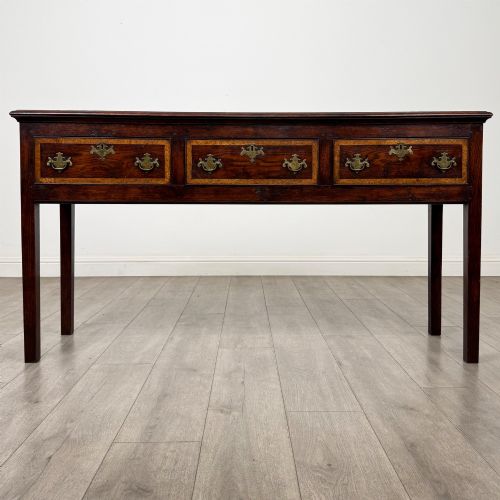
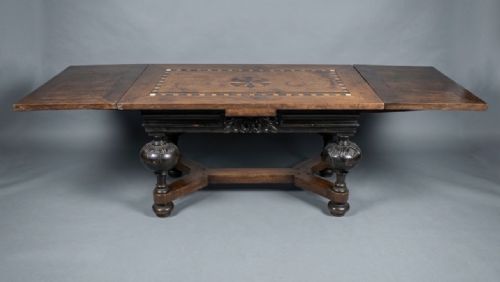
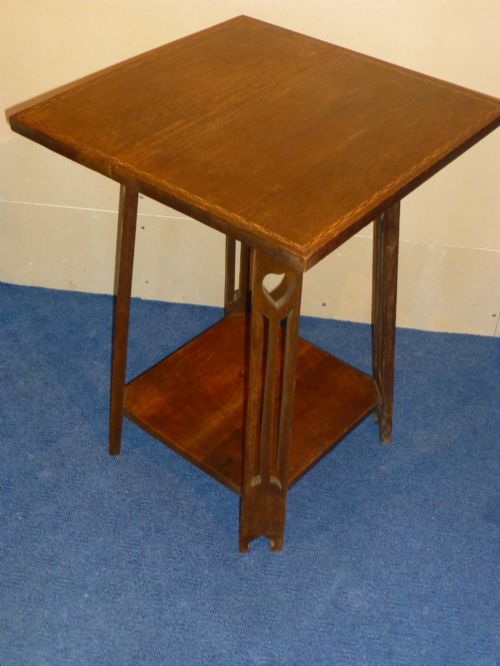
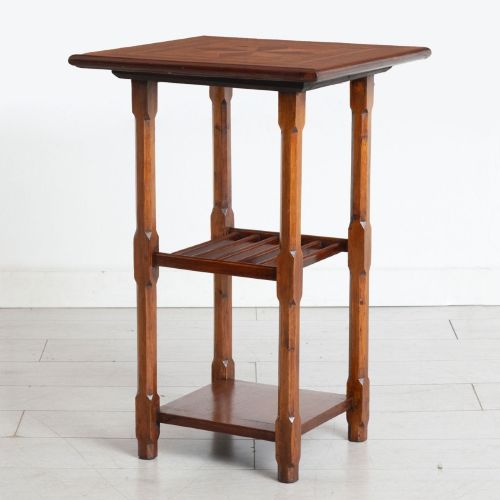
When searching for an inlaid oak table, you encounter everything from seventeenth-century provincial side tables to late nineteenth-century Arts and Crafts occasional pieces. These items range from compact domestic side tables and hall stands to substantial refectory and draw leaf dining formats.
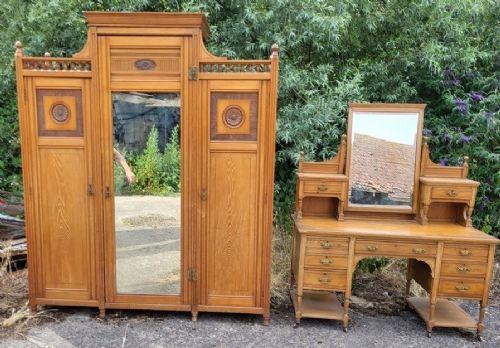
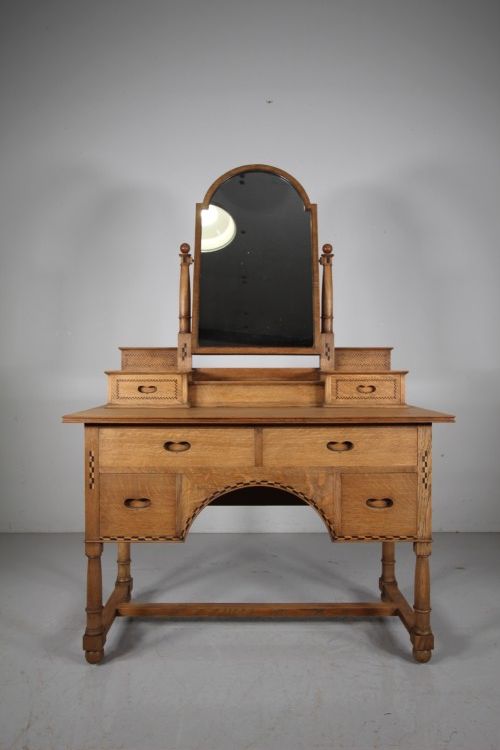
The aesthetic movement and Edwardian eras contributed numerous occasional, card, and dressing tables featuring geometric parquetry and contrasting stringing. Provincial English, Welsh, and continental workshops all produced regional interpretations utilising native timber and complex surface decoration.
Materials and Construction
Makers built the primary carcase and structural elements from solid oak, sometimes combining it with secondary timbers such as walnut, ash, or deal for interior drawer linings. Artisans then recessed contrasting veneers including satinwood, ebony, and mahogany into the primary wood surface.
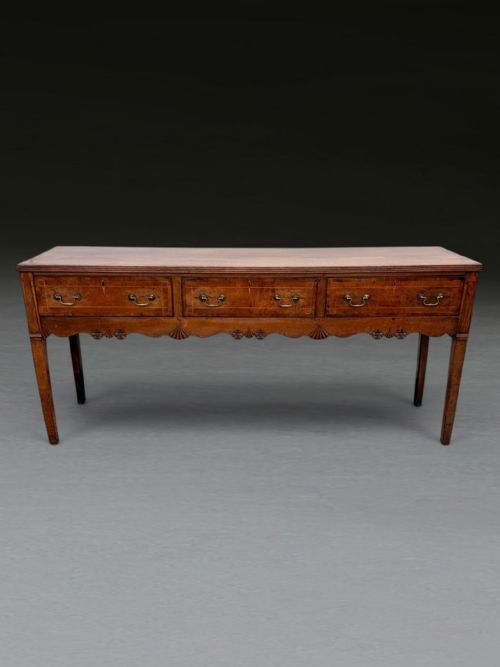
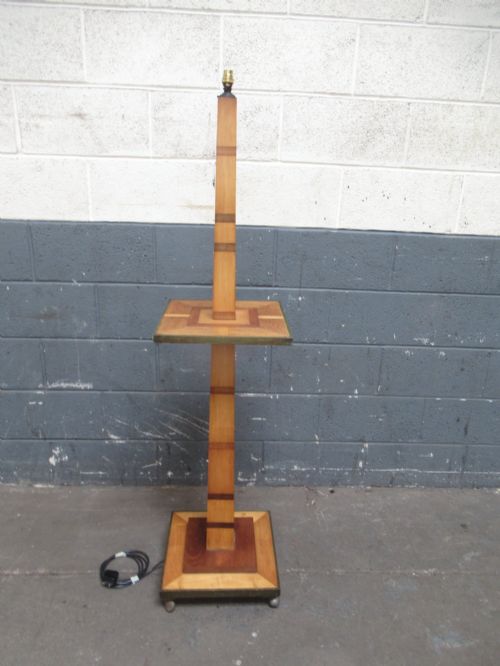
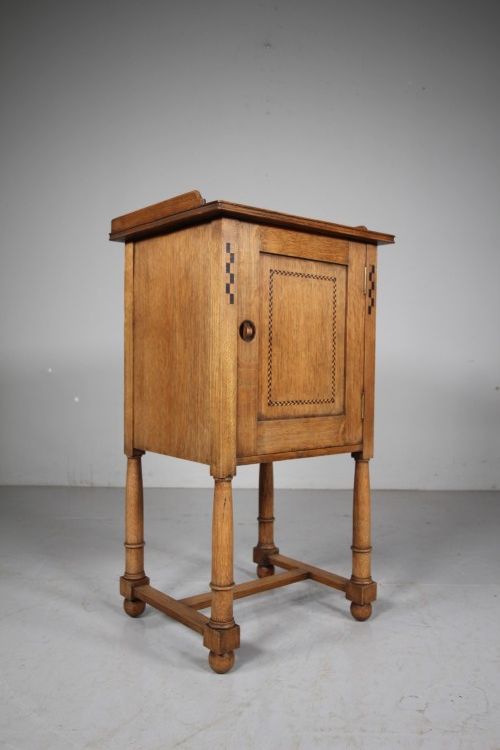
Surface ornamentation relied on techniques like marquetry, parquetry, and chequered stringing to form intricate geometric patterns and floral motifs. Metal elements such as brass inlay or fitted handles frequently complement the timberwork on later nineteenth-century and Regency examples.
Listings feature seventeenth-century provincial oak side tables alongside sophisticated nineteenth-century Arts and Crafts parquetry pieces.
What Separates Examples
Quality rests primarily in the precision of the joinery and the execution of the inlay work. Tighter joints, crisper geometric parquetry, and minimal replacement veneer distinguish higher-grade workshop production from simpler provincial output.
The integrity of the original surface finish and the retention of period brass handles or secondary wood linings significantly influence the standing of an item. Greater ambition in the original design, seen in complex multi-timber pictorial marquetry or draw leaf mechanisms, separates standard utility furniture from superior commissions.
Liberty & Co.·William Birch·Shapland & Petter·Heals·Wright & Hunter of Belfast·B Cohen & Sons
The Inlaid Oak Table Glossary
- Parquetry
- Geometric mosaic woodwork arranged in repeating patterns such as cubes or chequers. This technique appears frequently on table tops from the nineteenth century onwards.
- Marquetry
- Pictorial or decorative veneer work assembled from various tinted woods to form scrollwork or floral designs. Artisans inlay these patterns directly into the solid oak ground.
- Draw Leaf
- An expandable table mechanism featuring two pull-out leaves stored beneath the main top. This construction allows the surface area to double in length.
- Stringing
- Thin lines of contrasting wood inlay used to outline drawers, borders, and table tops. It adds linear definition to plain oak surfaces.
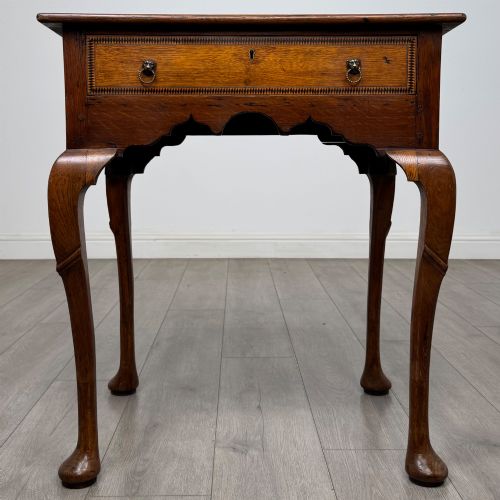
- Lowboy
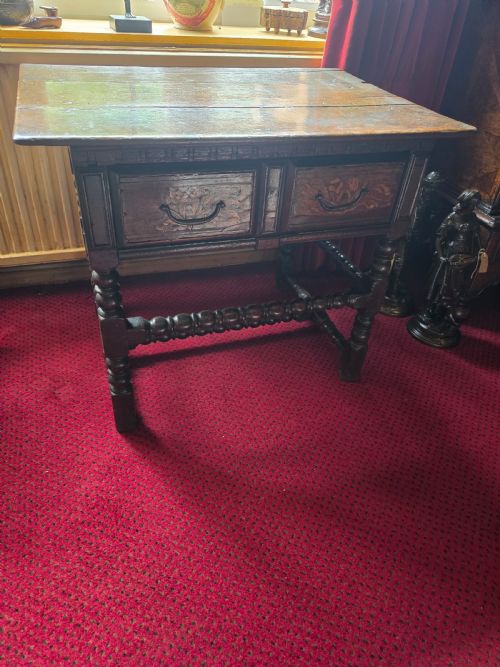
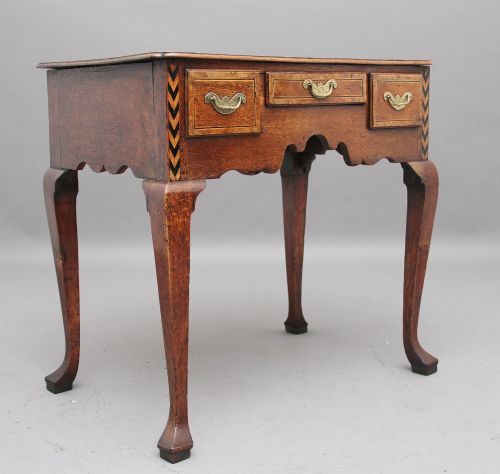
- A small seventeenth or eighteenth-century dressing or side table featuring one or more rows of drawers beneath the top. They typically stand on four slender legs.
Inlaid Oak Table: Frequently Asked Questions
How do I date an inlaid oak table?
Examine the construction methods, drawer linings, and style of the inlay work. Seventeenth-century examples often display pegged mortise and tenon joints, while nineteenth-century pieces incorporate machine-sawn timber and distinct aesthetic or Arts and Crafts motifs.
Secondary woods inside drawers also offer clues, as deal and oak give way to mahogany or satinwood in later periods. Comparing the decorative vocabulary to documented workshop styles helps narrow the decade of manufacture.
Were these tables used for dining?
Many formats served specific domestic functions beyond dining, including side tables, hall furniture, card tables, and occasional stands. Larger refectory and draw leaf versions were built specifically for communal meals in great halls and dining rooms.
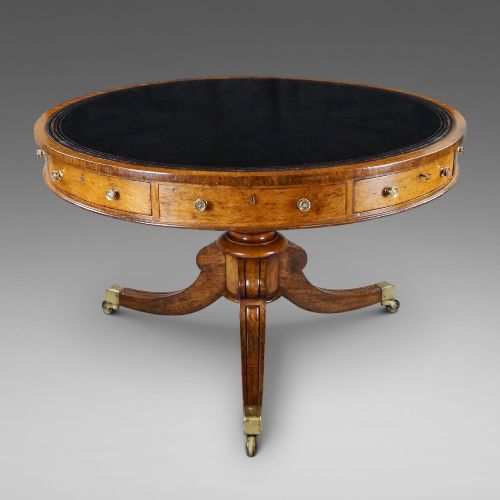
Smaller occasional and centre tables were designed to hold lamps, books, or decorative objects in reception rooms. Understanding the height and proportions of a specific piece reveals its intended domestic role.
How should I care for an antique oak surface?
Maintain the timber by applying traditional beeswax sparingly and buffing it with a soft cloth to preserve the natural lustre. Avoid placing wooden furniture near direct heat sources or strong sunlight, which can dry out the oak and cause the veneer inlay to lift.
Keep humidity levels in the room stable to prevent the timber from expanding or contracting excessively. Promptly wipe away any liquid spills to protect both the polished surface and the glue beneath the inlay.
What is the difference between parquetry and marquetry?
Parquetry utilises geometric blocks of wood to create repeating abstract patterns such as cubes, triangles, and chequers. Marquetry assembles finer veneers into pictorial designs, scrolls, or floral motifs across the surface.
Both techniques appear on oak tables, though parquetry is more common on sturdy functional surfaces like centre and hall tables. Marquetry frequently decorates the prominent top panels of more elaborate cabinet furniture and occasional tables.