

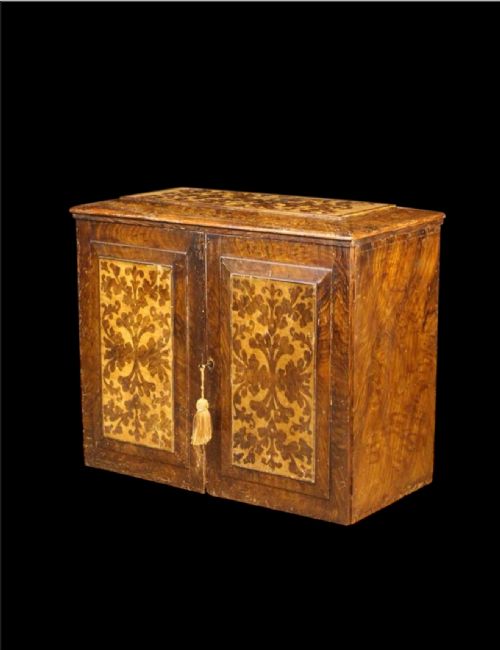


Inlaid Miniature Table
These inlaid miniature table pieces are compact displays of craftsmanship, offering collectors intricate marquetry and fine timbers on a small scale.
Inlaid Miniature Table
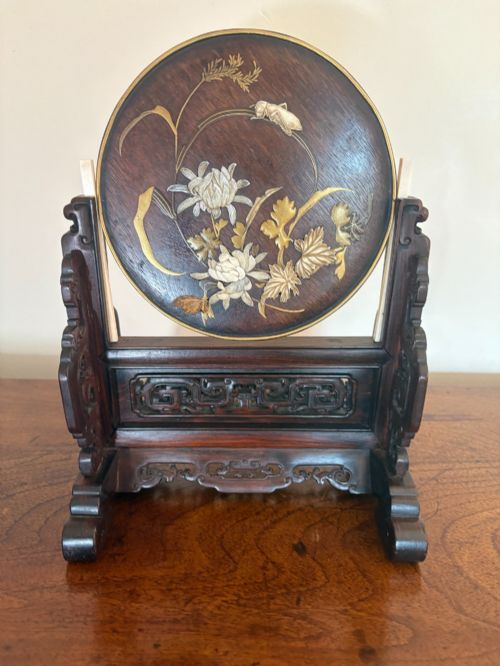
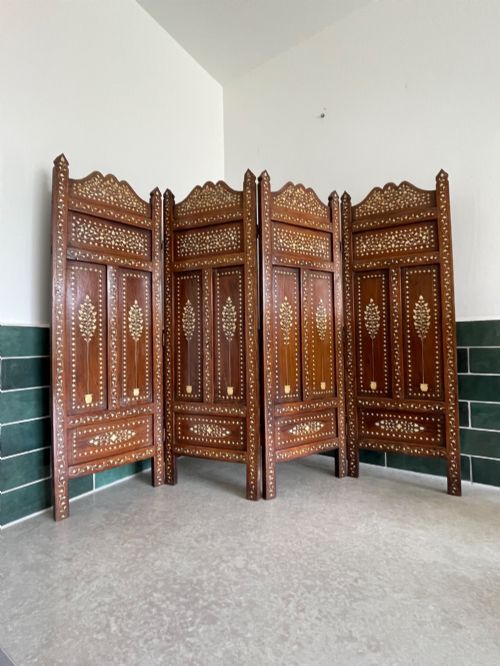
An inlaid miniature table brings together diminutive furniture forms and meticulous surface decoration, often taking the shape of table cabinets, screens, or small display pieces. These items span from the seventeenth century through to the early twentieth century, showing diverse regional influences including Victorian, Meiji, Anglo-Indian, and Qing styles.
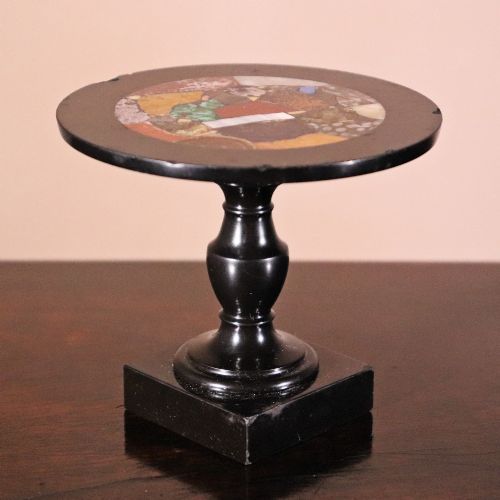
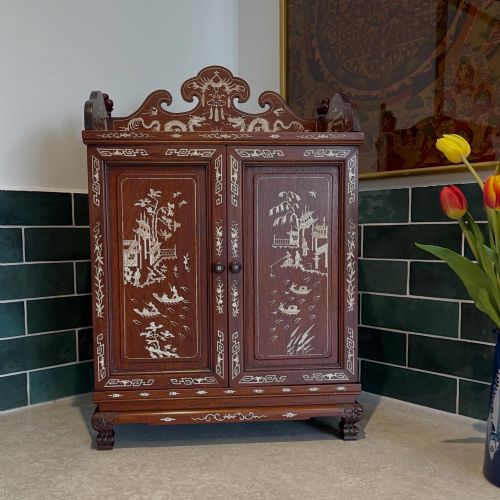
The version most commonly encountered on this page is the nineteenth century tabletop cabinet, alongside Japanese table screens and Anglo-Indian works. Pieces range from oak apprentice items and rosewood gentleman's cabinets to German marquetry designs and intricate specimen marble creations.
Materials and Construction
Cabinet makers utilised dense hardwoods such as rosewood, walnut, burr walnut, mahogany, and oak as the foundational structure for these small-scale items. These timbers were selected for stability and grain figure, providing a reliable canvas for decorative surface work.
Surface ornamentation relied on contrasting elements, integrating wood inlay, mother of pearl, and brass details. Artisans also incorporated glass panels and specialised marquetry techniques to achieve geometric and pictorial designs.
Inlaid Miniature Table Retail Price Guide 2026
Typical asking prices for inlaid miniature table among the pieces listed under this phrase on Sellingantiques today, from the lower quarter to the upper quarter. They describe what is for sale here now, not the wider market.
Listings feature items spanning four centuries, utilising rosewood, walnut, burr walnut, oak, brass, and mother of pearl across diverse global styles.
Judging Quality and Execution
Superior examples demonstrate precision in the execution of the inlay and marquetry, where individual pieces of wood, mother of pearl, or metal fit tightly without visible gaps or excessive filler. The crispness of carved details and the careful matching of timber grains distinguish finer workshop output from simpler utilitarian items.
The integrity of the internal fittings and the quality of the primary timber also dictate the standing of a piece. Finer items utilise choice materials like burr walnut or rosewood throughout, maintaining structural refinement down to the smallest hinges and mounts.
The Inlaid Miniature Table Glossary
- Marquetry
- The art of forming decorative patterns on a wooden structure by fitting together small pieces of veneer. This technique allows for elaborate pictorial or geometric compositions.
- Apprentice Piece
- An item made by a trainee craftsman to demonstrate mastery of a trade to a guild. These objects often duplicate full-sized furniture on a reduced scale.
- Escritoire
- A small writing cabinet fitted with drawers and compartments for correspondence. They often feature a drop front or revolving elements.
- Specimen Marble
- Inlaid geometric arrangements of various coloured marbles to form decorative surfaces. This technique was popular in nineteenth-century decorative arts.
- Table Screen
- A freestanding decorative panel designed to sit on a desk or table. They frequently incorporate Shibayama inlay or carved woodwork.
Inlaid Miniature Table: Frequently Asked Questions
What is an inlaid miniature table?
These pieces comprise small-scale furniture and tabletop display objects decorated with intricate wood inlay, mother of pearl, or brass work. They were produced across multiple centuries in various regional styles.
Items range from nineteenth-century tabletop cabinets and Anglo-Indian screens to eighteenth-century escritoires and seventeenth-century German marquetry works.
How were these small cabinets used?
Owners utilised these compact cabinets to store letters, precious curiosities, coin collections, or writing materials. Their small footprint allowed them to sit conveniently on larger desks or tables.
Table screens served decorative purposes, often placed to block drafts or simply to display fine oriental craftsmanship and Shibayama work in a study.
How do I date a piece?
Dating relies on identifying the underlying timber choices, construction methods, and stylistic markers associated with specific periods like the Georgian era or Victorian times. For instance, burr walnut and brass mounts frequently point toward mid-nineteenth-century production.
Examining the type of inlay and the hardware joints helps narrow down whether an object originates from seventeenth-century German workshops or later nineteenth-century British cabinet makers.
How do I care for inlaid wood?
Maintain stable indoor humidity levels and keep wooden surfaces away from direct sunlight to prevent the timber from drying out or warping. Gentle dusting with a dry, soft cloth is usually sufficient for regular maintenance.
Avoid using harsh chemical polishes that can degrade older finishes or loosen delicate mother of pearl and wood inlay elements over time.