





Inlaid Jewellery Table
An inlaid jewellery table holds precious things under glass and wood, bringing refined Victorian and Edwardian craftsmanship directly into the modern room.
Inlaid Jewellery Table
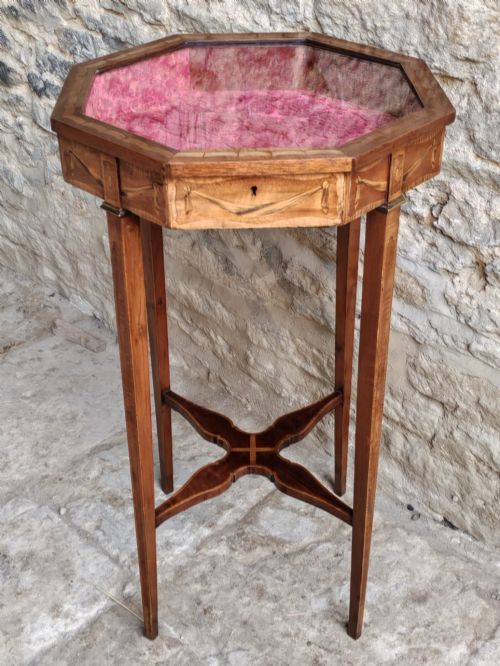
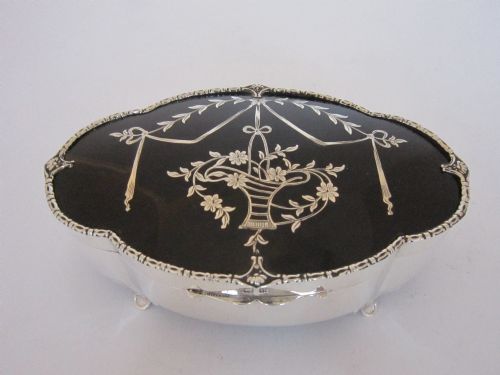
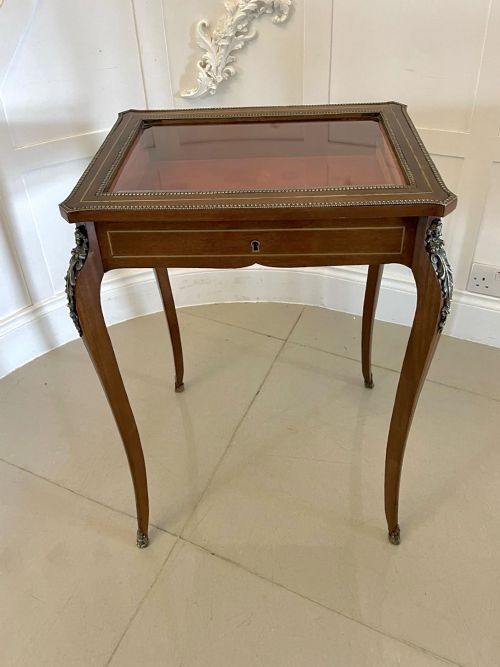
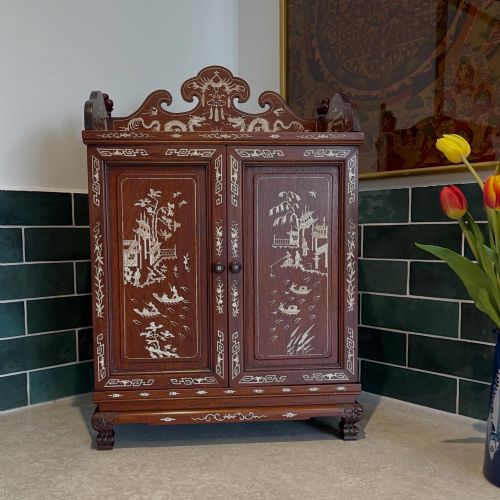
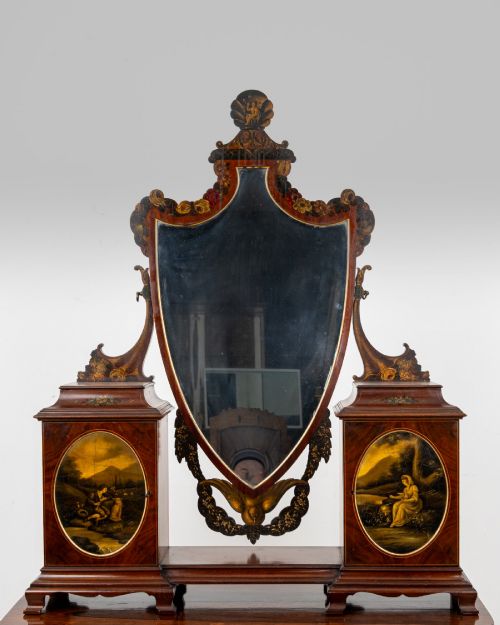
When you search for an inlaid jewellery table, you encounter a specialised piece of antique furniture designed to display and store small valuables, rings, and trinkets. The listings on this page span the Victorian and Edwardian eras, alongside pieces from the nineteenth century, George V period, and the Regency years.
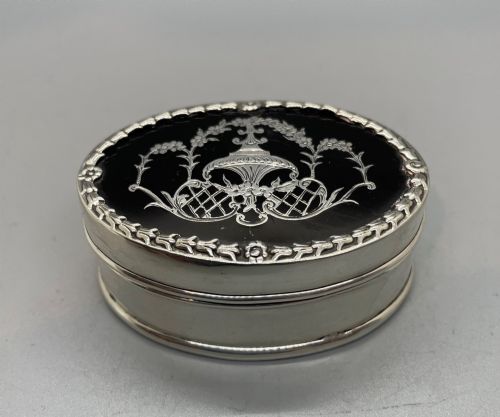
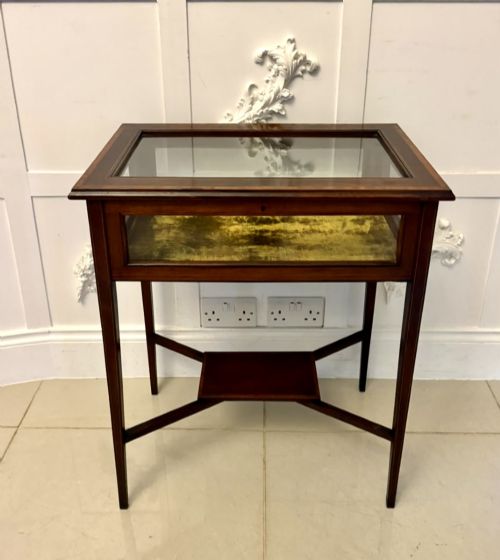
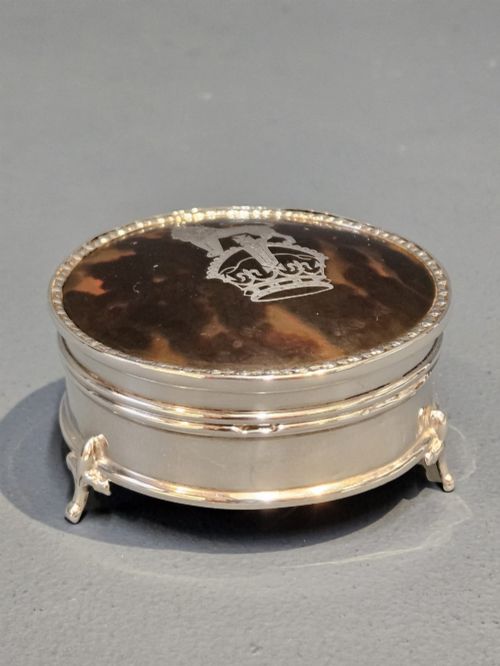
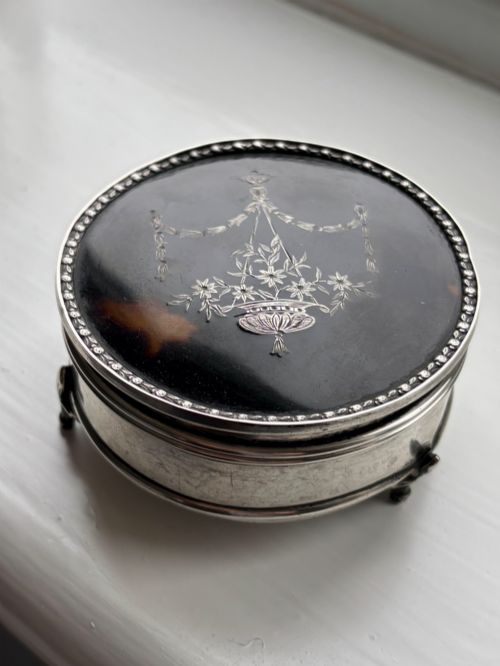
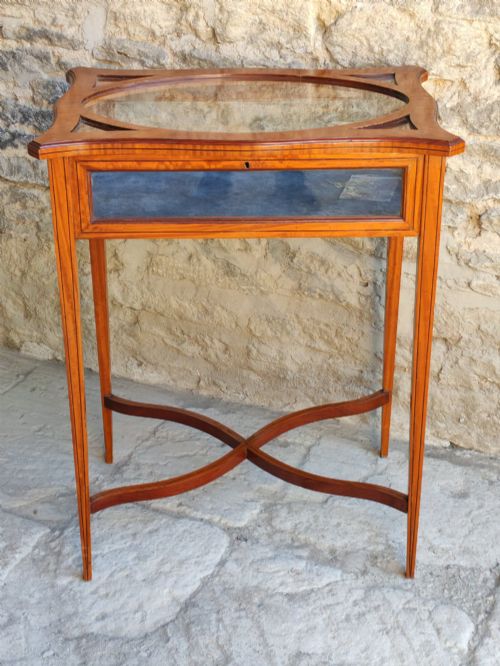
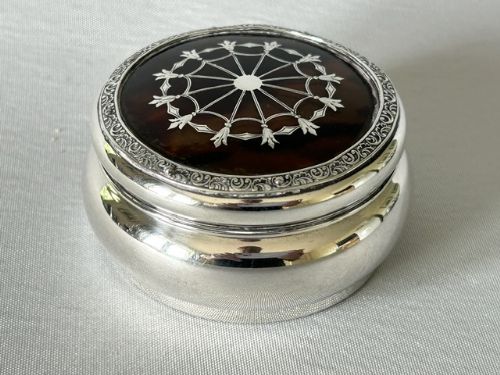
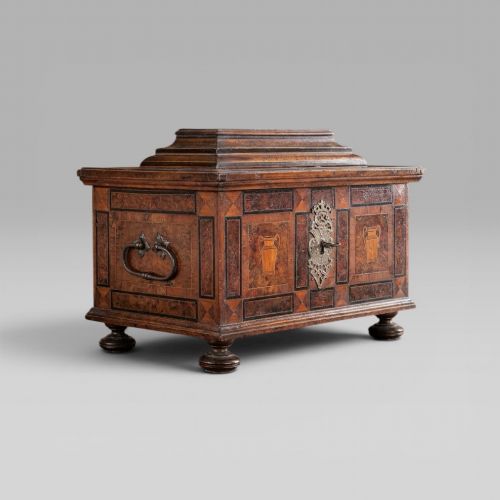
The forms vary considerably across the selection, ranging from freestanding bijouterie display tables and table cabinets to smaller table-top boxes, caskets, and vanity cases. You will frequently meet mahogany, satinwood, and walnut frames decorated with marquetry, brass, and mother-of-pearl inlay.
Origin and style also diversify the choice, taking in French Rococo and Louis XV revivals alongside Sheraton style pieces and Italian bone-inlaid caskets. Whether you select a glass-topped display table on slender legs or a compact box for a dressing table, each item serves both a decorative and a practical purpose.
How they were made
Cabinet makers utilised dense hardwoods such as mahogany, walnut, satinwood, and rosewood as the primary structural foundations for these tables and boxes. These timbers provided stable surfaces capable of sustaining intricate cutting, shaping, and polishing.
Crafting the surface decoration involved precise inlay techniques using brass, tortoiseshell, mother-of-pearl, fruitwood, and bone to create contrasting patterns and floral marquetry. Glazed panels were fitted carefully into hinged lids on display tables and bijouterie cabinets to allow contents to be viewed from above.
Inlaid Jewellery Table Retail Price Guide 2026
Typical asking prices for inlaid jewellery table among the pieces listed under this phrase on Sellingantiques today, from the lower quarter to the upper quarter. They describe what is for sale here now, not the wider market.
Listings feature mahogany, satinwood, walnut, and rosewood, alongside tortoiseshell and brass.
What varies in quality
The precision and complexity of the surface inlay establish a primary distinction between standard production and superior craftsmanship. Sharp alignment in marquetry motifs and the clever integration of contrasting materials signal greater skill in the workshop.
Structural integrity and the retention of original interior fittings, mirrors, and glass panels heavily influence the standing of any given piece. Well-preserved hinges, working locks with original keys, and unblemished cabinet timber elevate the overall standard.
Ollivant and Botsford·Asprey and Co·H Mitchell·Edwards and Roberts
The Inlaid Jewellery Table Glossary
- Bijouterie table
- A display table with a glazed glass top and sides designed specifically for showing small ornaments and jewellery. These pieces usually stand on slender legs.
- Marquetry
- Decorative woodwork where pieces of veneer are fitted together to form pictorial designs or geometric patterns. Makers applied these to table tops and box lids.
- Pique work
- A method of ornamenting tortoiseshell with tiny gold or silver pins arranged in delicate motifs. This technique appears frequently on Edwardian trinket boxes.
- Pietra dura
- An artistic process utilising cut and fitted polished coloured stones to create inlaid images. Italian boxes often feature this decorative stone mount.
- Burr wood
- Timber taken from a tree growth where the grain has grown in a deformed manner, producing intricate swirling patterns. Walnut and yew burrs provide highly decorative surfaces.
Inlaid Jewellery Table: Frequently Asked Questions
What is a bijouterie table?
A bijouterie table is a specialised display piece featuring a glazed top and sides designed to exhibit small valuables and collections. They rose to popularity during the Victorian and Edwardian eras for drawing-room display.
Unlike standard occasional tables, their interiors are often lined with velvet or silk to protect the items placed inside. They allow owners to showcase rings, medals, and trinkets while keeping them secure beneath glass.
How do I date an inlaid jewellery table?
Dating relies on examining the timber species, the style of inlay, and the construction methods used in the frame. Victorian examples frequently utilise walnut or rosewood with heavy marquetry, whereas Edwardian pieces often feature lighter satinwood.
Hardware such as hinges, locks, and lining materials also offer clues to the decade of manufacture. Comparing the overall aesthetic to documented revival styles helps narrow down the production period.
Where should I place an inlaid jewellery table?
These tables find a natural home in drawing rooms, bedrooms, or hallways where their decorative surfaces can be appreciated. Freestanding display tables work well near a window or lamp where light catches the glass top.
Smaller table-top boxes and caskets sit comfortably on chest of drawers, dressing tables, or sideboards. Direct sunlight should be avoided to prevent fading on delicate veneers and interior linings.
How do I care for antique tortoiseshell and brass inlay?
Maintenance requires keeping pieces away from direct heat sources and strong sunlight to prevent the organic shell from drying out. A soft, dry cloth is sufficient for routine dusting.
Moisture and harsh chemical polishes must be avoided around metal inlays and vulnerable woods. Gentle handling of hinged lids and locks preserves the original mechanisms.