


Inlaid Desk Box
When you search for an inlaid desk box, you enter a world of timber, brass, and meticulous portable craftsmanship.
Inlaid Desk Box
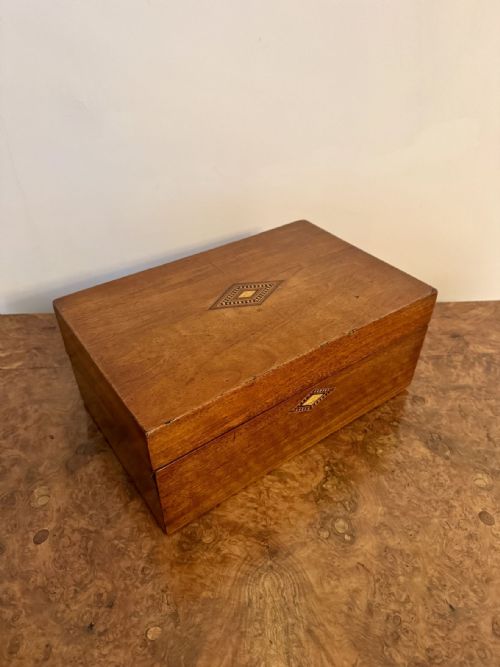
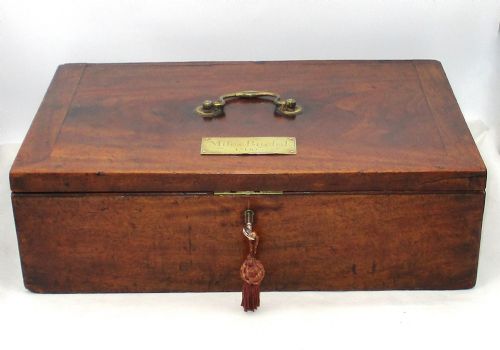
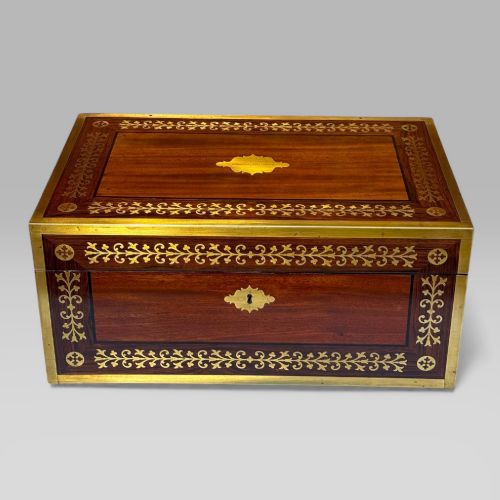
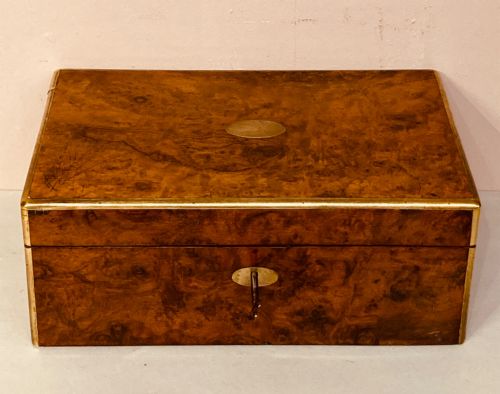
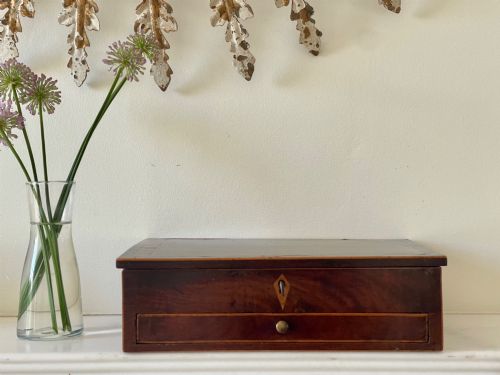
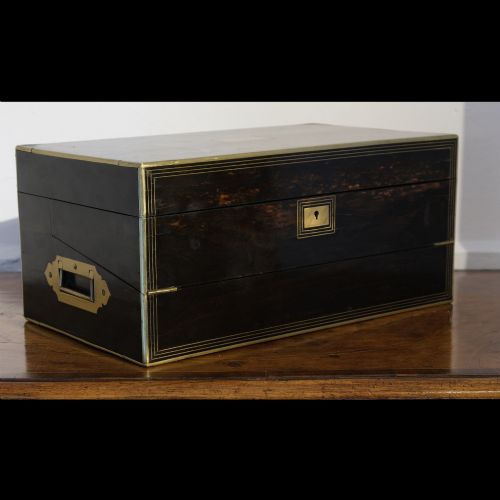
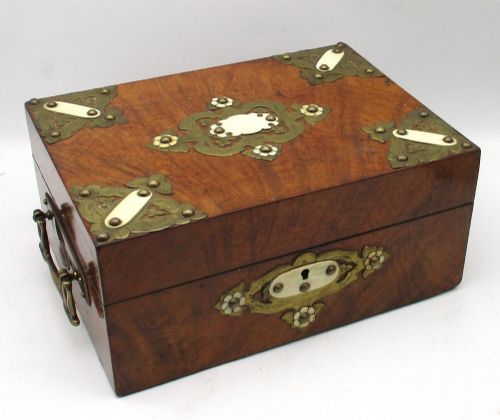
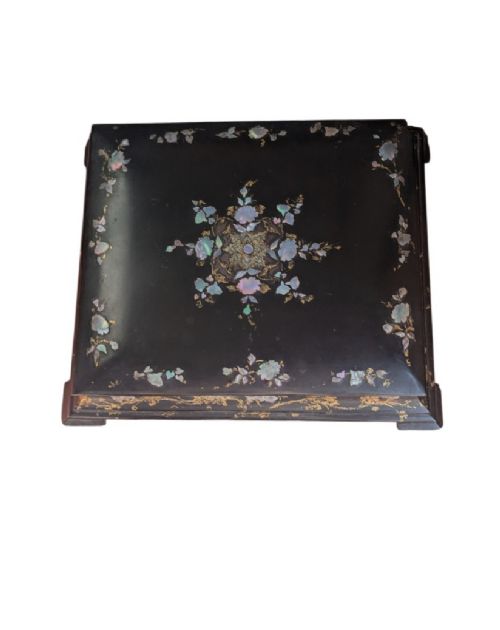
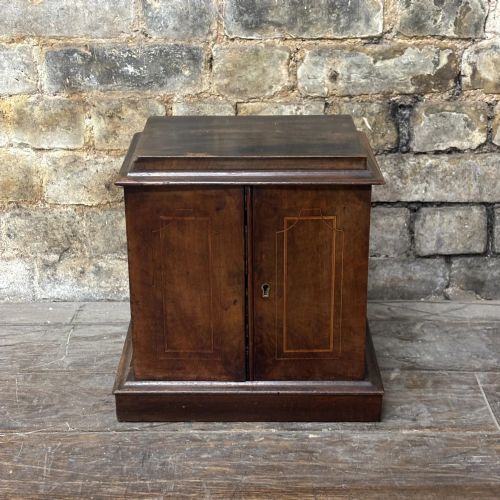
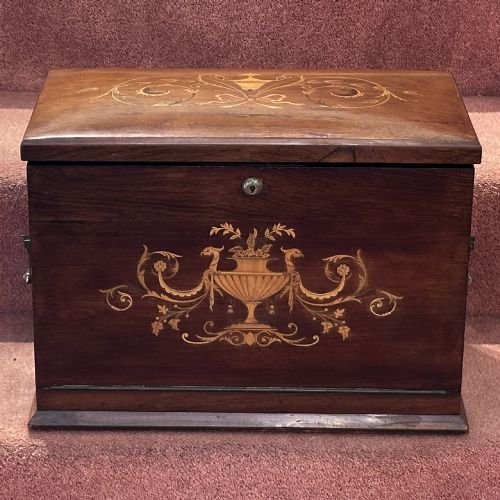
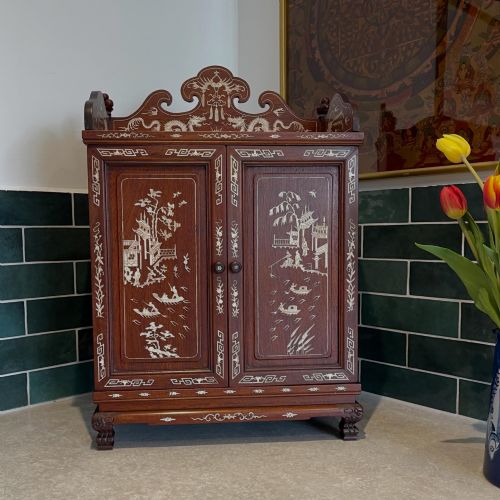
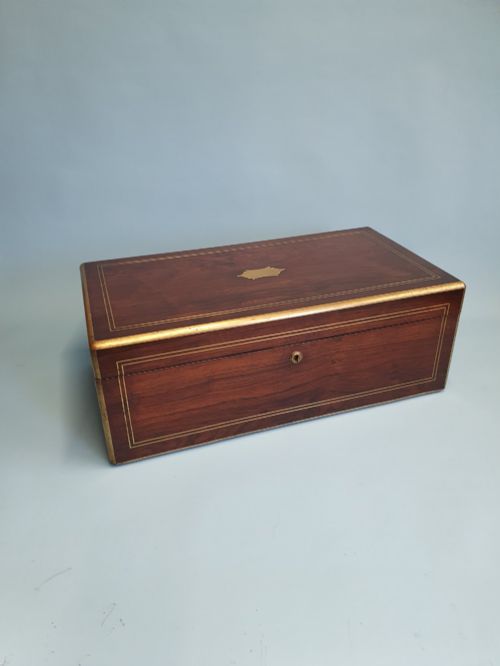
An inlaid desk box is a portable repository for writing materials, correspondence, and valuables, designed to sit upon a table or travel securely. When looking through these offerings, the most frequent items encountered are Victorian and Georgian writing slopes, alongside stationery boxes and document caskets. These pieces range from substantial campaign boxes bound in brass to delicate Tunbridge ware correspondence cabinets.
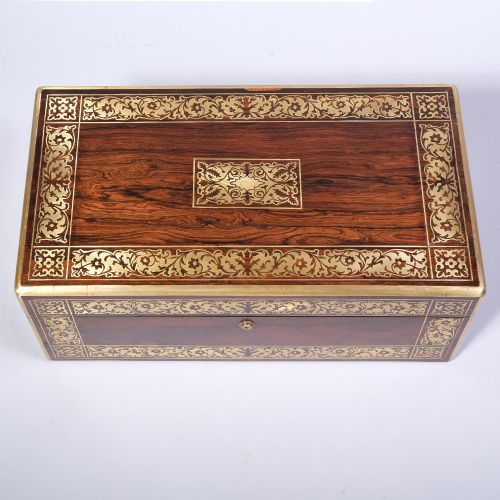
Makers constructed these forms to serve the literate traveller or the organised household, incorporating folding writing surfaces, inkwells, and secret drawers. Woods such as rosewood, mahogany, and burr walnut dominate the selection, often embellished with contrasting veneers and metal stringing. Each survivor reflects the writing habits and domestic organisation of the eighteenth and nineteenth centuries.
What varies in quality
The sophistication of the timber figure and the precision of the inlay separate standard examples from exceptional ones. Superior pieces display continuous grain matching across lid joints and meticulously hand-sawn brass work rather than stamped alternatives. The integration of complex interior fittings, such as secret drawers operated by hidden springs, denotes superior workshop execution.
Hardware selection dictates the grade of the box, with top-tier examples featuring robust Bramah or Chubb locks and heavy cast brass carrying handles. The refinement of secondary woods inside stationery compartments and the crispness of carved bone or Tunbridge mosaic further distinguish master cabinetwork from everyday production.
Some nineteenth-century writers relied on secret spring-loaded compartments to hide love letters from curious household staff.
Edmund Nye
The Inlaid Desk Box Glossary
- Writing slope
- A portable box with a hinged, sloping lid that opens to reveal a velvet or leather-lined writing surface and compartments for stationery. These folding desks were essential for correspondence during travel.
- Tunbridge ware
- A specialised form of woodworking originating in Kent, featuring mosaic decoration made from tiny prisms of naturally coloured woods. Craftsmen arranged these blocks to create detailed geometric or pictorial motifs.
- Campaign box
- A sturdy wooden box constructed for military officers on the move, typically reinforced with brass corners and binding. These heavy-duty pieces were built to withstand rough transport.
- Stringing
- A thin, narrow strip of contrasting wood or metal inlaid into grooves on the surface of furniture or boxes. It creates delicate linear borders around panels and lids.
- Secret drawers
- Concealed compartments hidden behind false partitions or released by secret spring mechanisms within a desk box. They served to secure private documents and valuables.
Inlaid Desk Box: Frequently Asked Questions
How do I identify a Georgian desk box from a Victorian one?
Georgian desk boxes, dating from the eighteenth and early nineteenth centuries, generally rely on simpler architectural proportions, flame mahogany veneers, and subtle brass escutcheons. Victorian examples often display more exuberant materials like burr walnut, coromandel, and elaborate cut brass or mother of pearl inlay.
Examining the internal drawer construction and secondary softwoods will also reveal clues regarding the period of manufacture.
What woods were commonly used for these boxes?
Cabinetmakers favored dense, durable hardwoods that could take a high polish, most notably mahogany, rosewood, and walnut. Decorative surfaces frequently incorporated exotic veneers such as burr walnut, satinwood, and tortoiseshell.
Boxwood and ebony were typically reserved for fine stringing, borders, and contrasting geometric inlays.
How should I care for an antique inlaid wooden box?
Keep wooden desk boxes away from direct sunlight and sudden humidity changes to prevent the delicate veneers and boxwood stringing from shrinking and lifting. Apply a microcrystalline wax periodically to nourish the timber and protect the polished surface.
Avoid using liquid cleaners or modern polishes that can seep into the grain and loosen old animal glues used in the inlay.