





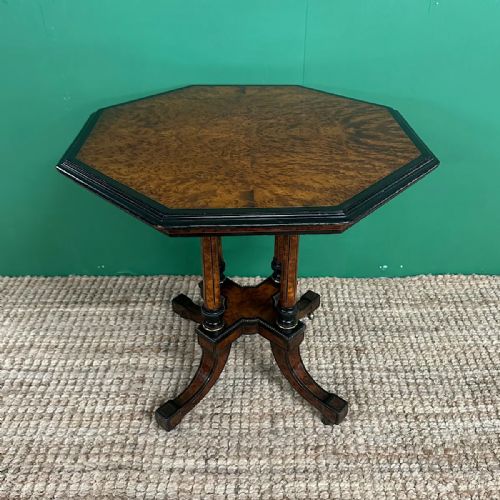
Inlaid Column Lamps
Inlaid column lamps bring architectural form and figured timbers into a room, offering warm illumination alongside surface decoration.
Inlaid Column Lamps
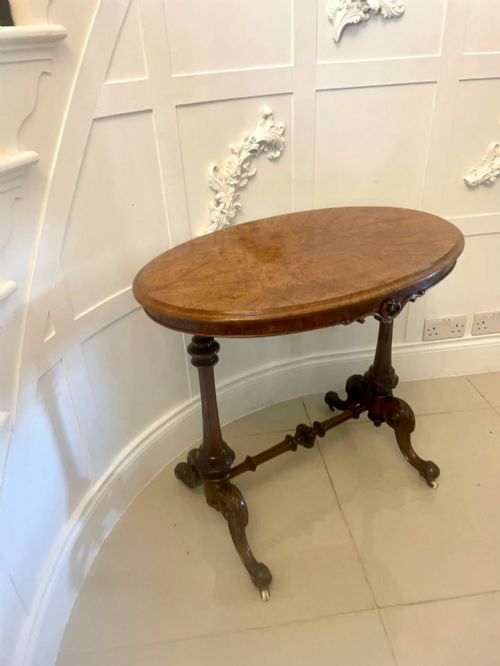
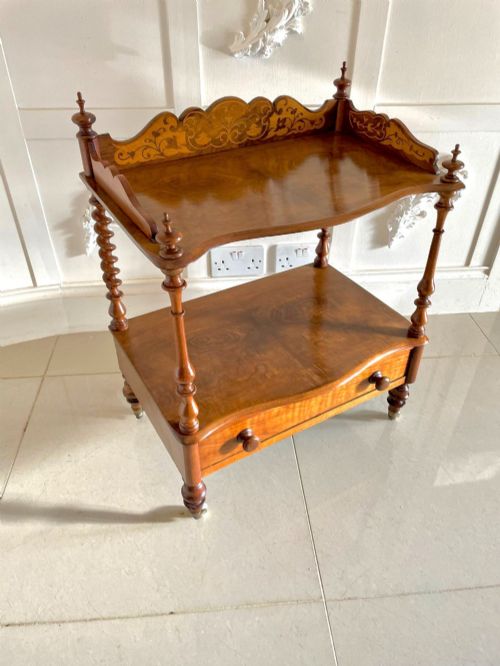
Inlaid column lamps combine vertical stands with decorative woodwork, though buyers searching this phrase will primarily encounter occasional tables, side tables, wine tables, and standard floor lamps that incorporate inlaid timber surfaces and columnar supports from the nineteenth and early twentieth centuries.
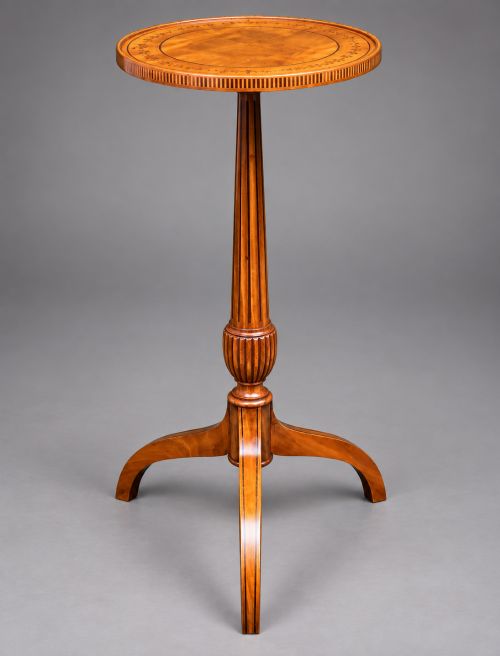
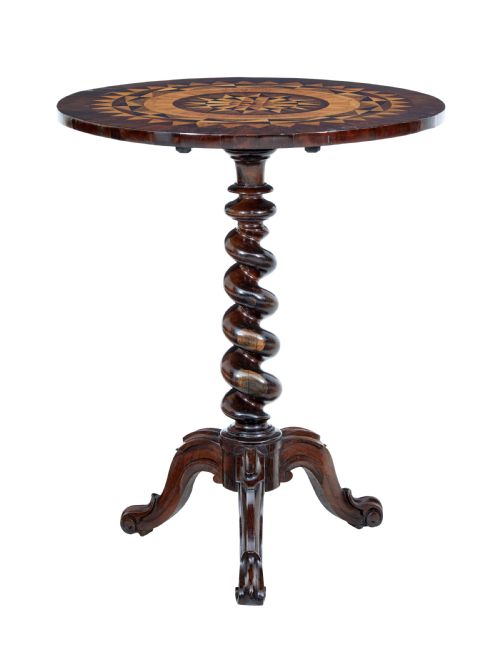
The selection ranges from Victorian burr walnut lamp tables and Edwardian burr oak side tables to Art Deco standard lamps and nineteenth-century Italian Sorrento tables, alongside Sheraton-style satinwood pieces and William IV specimen wood top lamp tables.
These items served domestic functions in period interiors, functioning as surfaces for illumination or as tall standard lighting fixtures that introduced pattern and grain into a sitting room or hallway.
How they were made
Cabinetmakers utilised cabinet timbers such as walnut, burr walnut, burr oak veneer, satinwood, oak, and amboyna, often applying decorative veneers over secondary woods to create figured surfaces.
Inlay techniques incorporated contrasting hard wall woods and botanical motifs into tabletops, paired with turned or columnar wooden supports and brass components.
Inlaid Column Lamps Retail Price Guide 2026
Typical asking prices for inlaid column lamps among the pieces listed under this phrase on Sellingantiques today, from the lower quarter to the upper quarter. They describe what is for sale here now, not the wider market.
Several tables feature Sorrento wood inlay, bringing Italian sunshine straight into damp British drawing rooms one tiny botanical tile at a time.
What varies in quality
Quality rests in the precision of the hardwood inlay and the choice of timber veneer, where burr walnut and figured satinwood display richer grain movement than plain domestic hardwoods.
Construction standards appear in the stability of the columnar supports, the crispness of the turning, and how cleanly the decorative stringing and geometric banding meet the surrounding timber.
The Inlaid Column Lamps Glossary
- Burr walnut
- A prized timber harvested from the irregular growth or burl of the walnut tree, showing swirling, highly decorative grain patterns. It was frequently used for veneering tabletops on nineteenth-century lamp and occasional tables.
- Inlaid woods
- Pieces decorated by inserting contrasting pieces of wood into depressions carved into a solid timber base or veneer. This technique creates geometric borders, floral motifs, or pictorial scenes.
- Occasional table
- A small, movable table designed for specific, intermittent use in a principal room. These include lamp tables, wine tables, and side tables.
- Standard lamp
- A tall floor-standing lamp designed to illuminate a room from a corner or beside seating. Period examples feature turned wooden columns and weighted bases.
Inlaid Column Lamps: Frequently Asked Questions
What periods do these pieces date from?
The pieces span the nineteenth and early twentieth centuries, encompassing Victorian, Edwardian, William IV, and Art Deco eras.
Craftsmanship and timber choices shift across these decades, moving from heavily figured burr walnut and satinwood revival styles toward simpler geometric forms in later standard lamps.
How were lamp tables used historically?
Lamp tables provided a stable surface for oil lamps or early electric lighting next to seating areas in Victorian and Edwardian drawing rooms.
Their compact proportions allowed them to sit beside armchairs or in corners without crowding the floor space.
How do I identify standard floor lamps?
Standard lamps feature a tall vertical column resting on a weighted base, designed to hold a light fitting at eye level.
Art Deco examples emphasise clean lines and vertical timber grain, distinguishing them from earlier turned and carved Victorian supports.