
Ink on Paper Artwork
Ink on paper artwork brings together centuries of drawn observation, capturing immediate line and tone across varied periods.
Ink on Paper Artwork
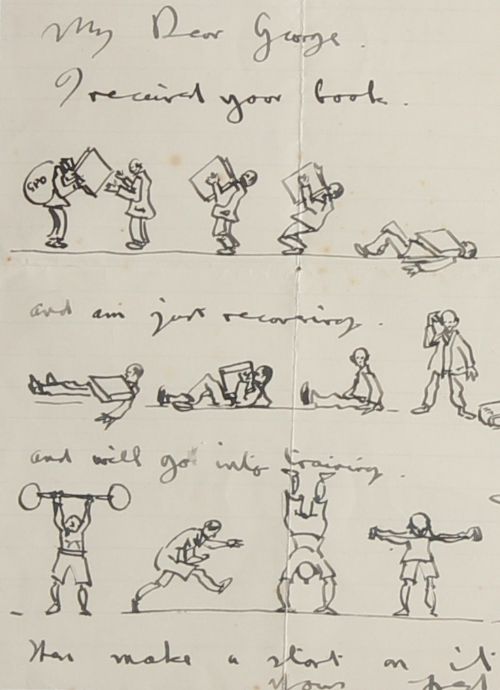
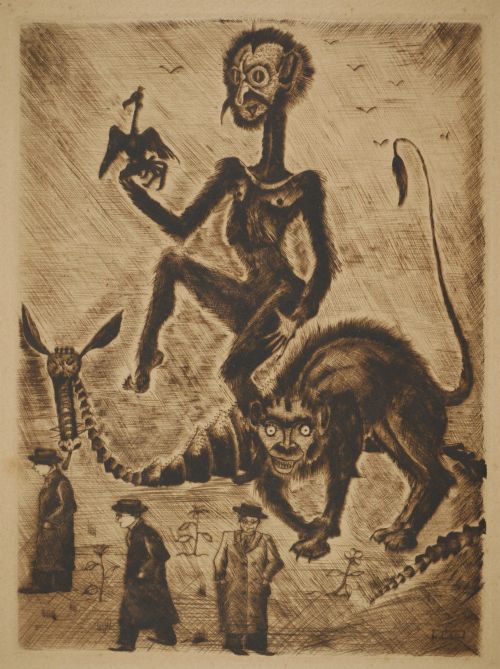
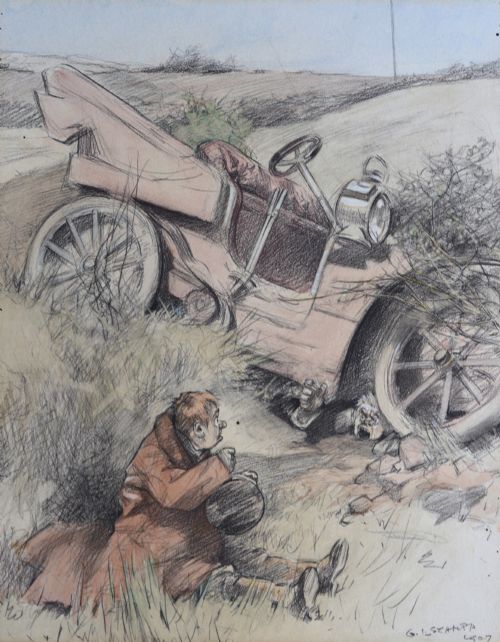
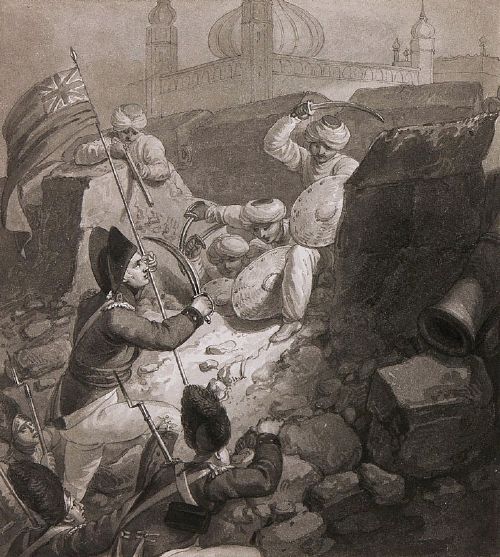
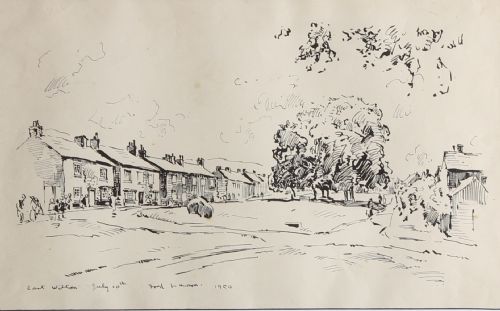
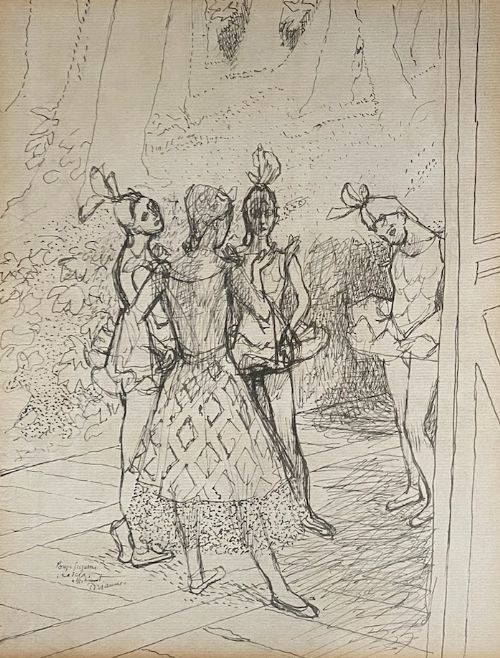
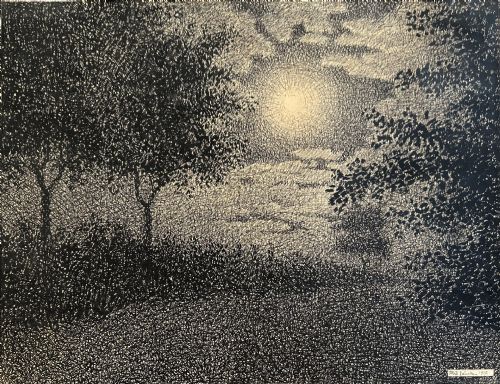
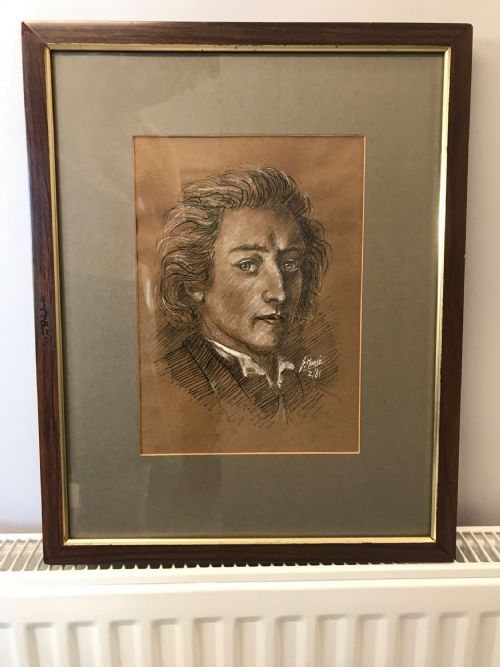
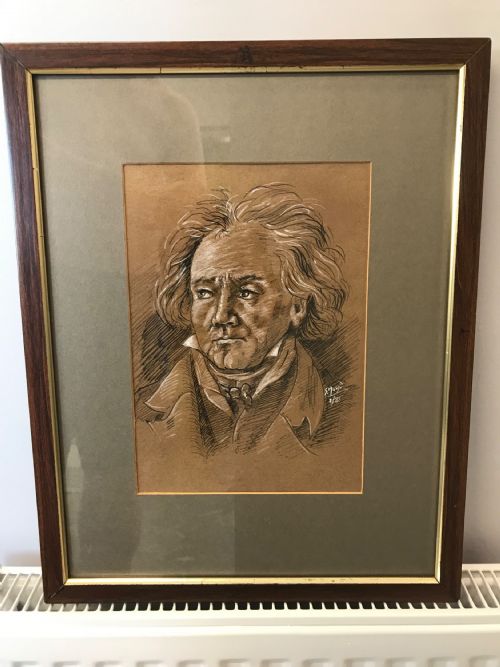
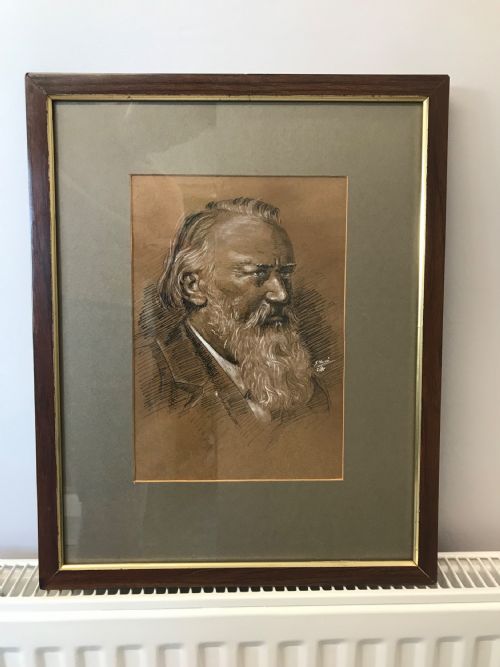
Ink on paper artwork spans original drawings, preparatory sketches, and wash paintings created across the eighteenth, nineteenth, and twentieth centuries. Buyers encounter framed portraits, landscapes, and narrative scenes executed in pen, ink, and watercolour.
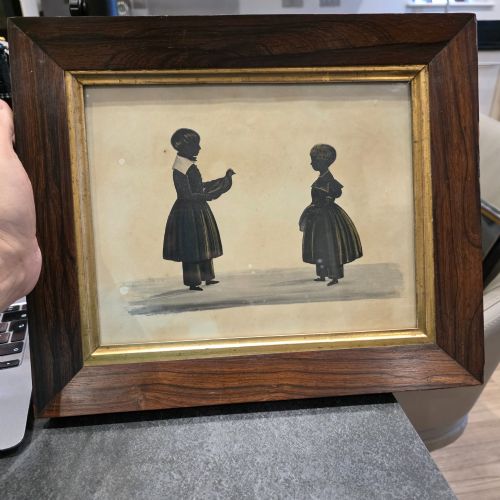
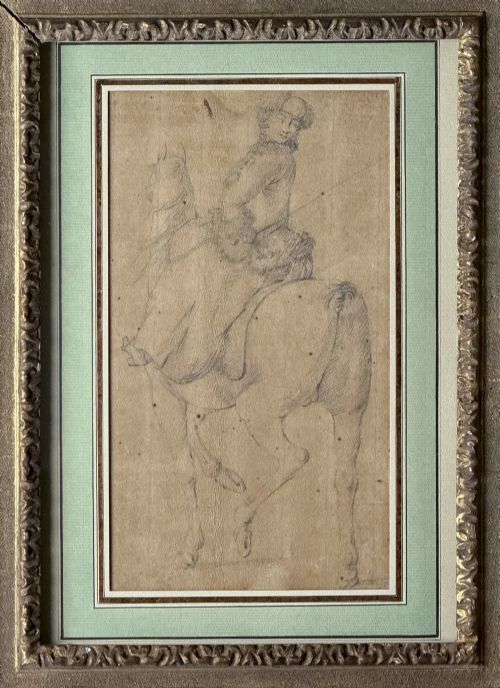
The selection ranges from early Georgian equestrian studies and Victorian silhouettes to mid-century modern British and continental compositions. Works on paper appear in diverse forms, including individual framed sheets and bound sketch albums.
Most pieces on this page emerge from British and European schools, reflecting traditional academic training alongside modernist expression. These works present direct insight into the preparatory and finished processes of historical artists.
Materials and construction methods
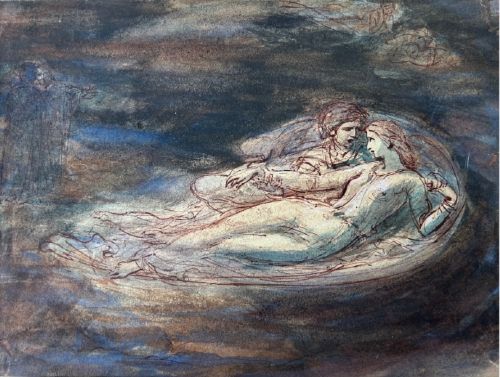
These works rely on application of black or brown ink onto various paper substrates, frequently augmented with watercolour, wash, gouache, or pencil. Artists employed quill or steel pens alongside fine brushes to build linear precision and tonal depth.
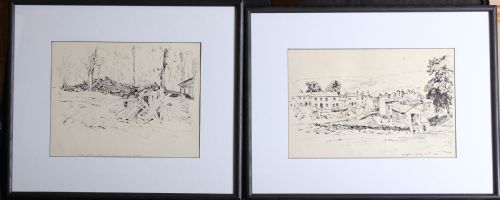
Framed pieces incorporate protective glass and wooden surrounds, preserving delicate organic pigments and paper fibres from environmental degradation. Scroll formats utilise traditional mounting techniques designed for rolled display and storage.
Object forms documented here span framed artwork, wall art, scroll formats, bound sketch albums, and original preparatory studies.
Distinctions in execution and condition
Quality rests upon the sureness of the draughtsmanship, where confident line work and controlled wash demonstrate the creator's technical mastery. Superior examples convey immediacy and anatomical accuracy without hesitation.
Preservation of the paper sheet and stability of the ink pigments dictate the longevity and visual impact of the piece. Minimal foxing, absence of heavy fading, and original framing elements elevate the standing of a work.
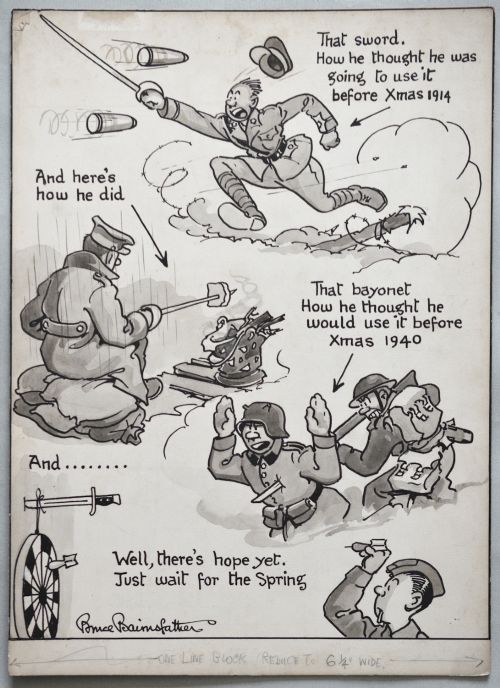
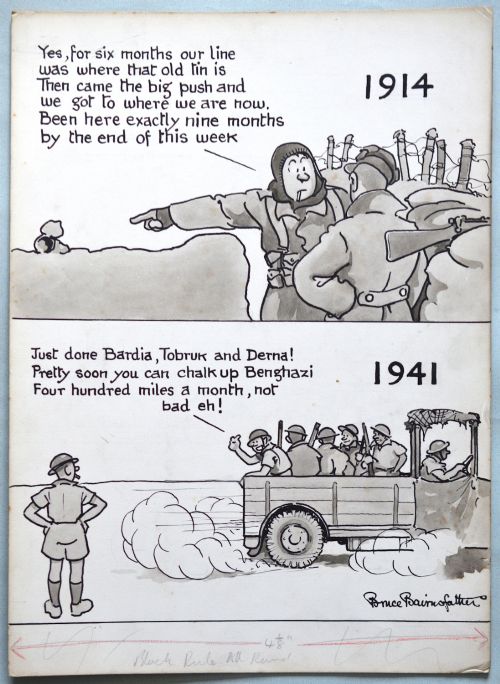
Fred Lawson·Kurt Lorein Victor Peiser·George Lorain Stampa·Bruce Bairnsfather·William Marshall Craig·Maurice Brianchon·Henry de Waroquier·Cecil Beaton·Michael Healy·Gen Paul·James Tower·Anne Goldthwaite·Alfred Dehodencq·Herbert Dicksee·Stanley Orchart·Edward Dayes·Alfred Darbyshire·Robert Spearman Swinburne·Ya Ming·Louis Wain·Augustus Edwin John·Lucien Freud·Thomas Rowlandson·James Dobie·W. Dendy Sadler
The Ink on Paper Artwork Glossary
- Wash
- A technique where diluted ink or watercolour is brushed across the paper to create smooth, semi-transparent tonal gradations and shadow. This method provides depth behind fine pen lines.
- Gouache
- An opaque water-based paint composed of pigment, water, and a binding agent such as gum, often used to add highlights. It sits on the paper surface rather than sinking in like a wash.
- Etching
- A printmaking process where lines are bitten into a metal plate with acid before ink is applied and transferred to paper. This technique produces fine, characteristic lines.
- Preparatory study
- A preliminary drawing or sketch made by an artist to plan a larger finished painting or composition. These works reveal the underlying thought process of the creator.
Ink on Paper Artwork: Frequently Asked Questions
How should ink works be framed?
Works on paper require conservation-grade mounting materials and UV-filtering glass to prevent fading and chemical damage over time. Direct contact between the paper surface and the glass must be avoided to prevent moisture accumulation.
Professional framing ensures the sheet remains stable within the rebate without adhesives that could cause permanent staining or structural compromise.
What is a wash drawing?
A wash drawing combines ink linework with diluted dark pigment applied via brush to build shadow and atmospheric depth. Artists used this method to establish tonal values quickly before adding fine details.
This technique appears frequently in eighteenth and nineteenth-century topographical and landscape works recorded on this page.
How do I care for antique paper?
Display these pieces away from direct sunlight and high humidity to protect fragile organic inks and paper fibres from degrading. Stable indoor environments prevent warping and foxing spots from developing across the sheet.
Keep framed works safely hung using secure fixings suited to the weight of the wood and glass housing.
Are these works unique?
The majority of pieces listed are original drawings, watercolours, and mixed media works created by hand. Each sheet bears the distinct touch, hesitation, and correction marks of the individual artist.
Print formats included in the selection represent limited runs pulled from engraved or etched plates.