

Ink Art on Paper
Ink art on paper brings together delicate line and tone, offering direct contact with the hand of the artist across multiple centuries.
Ink Art on Paper
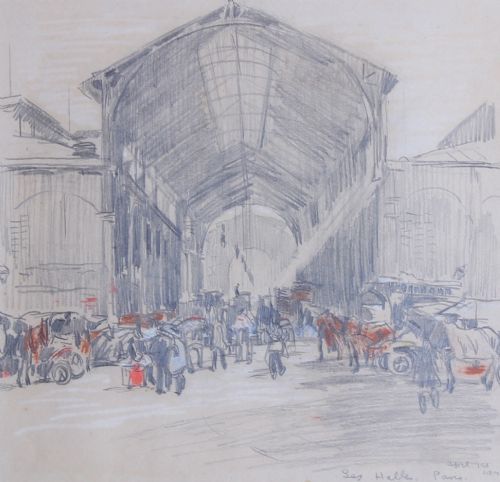
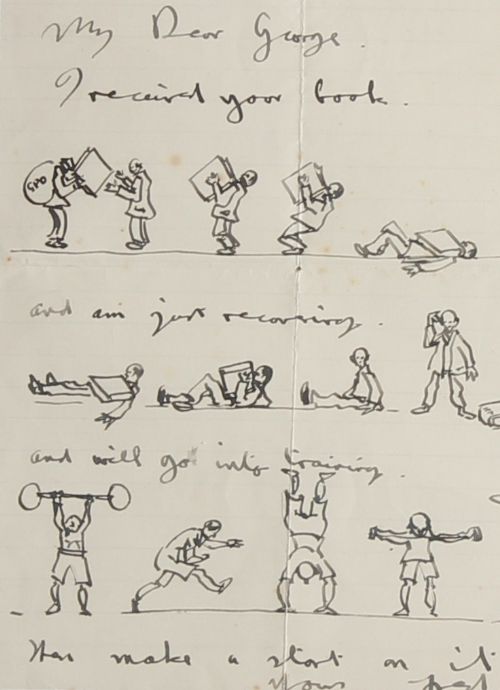
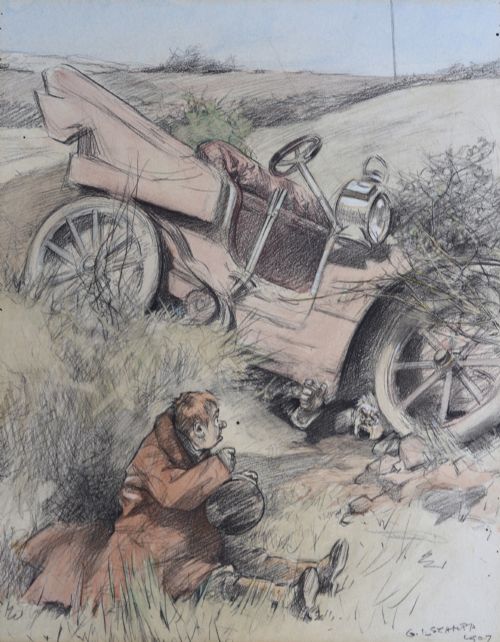
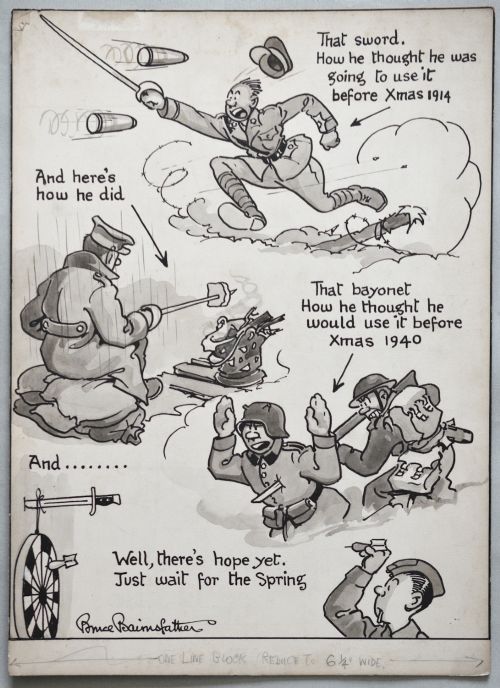
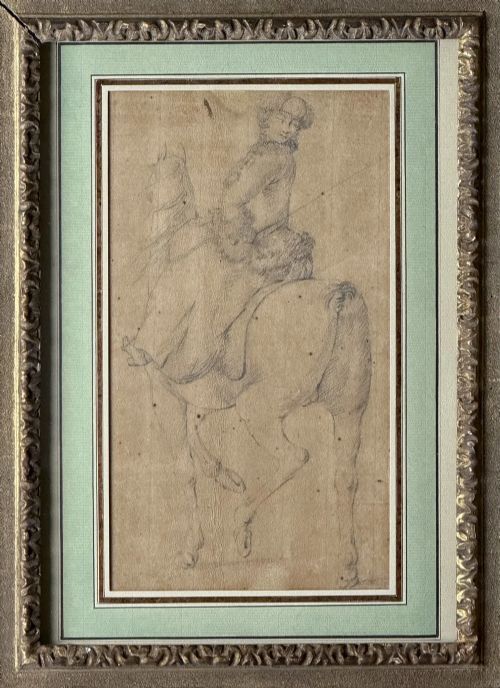
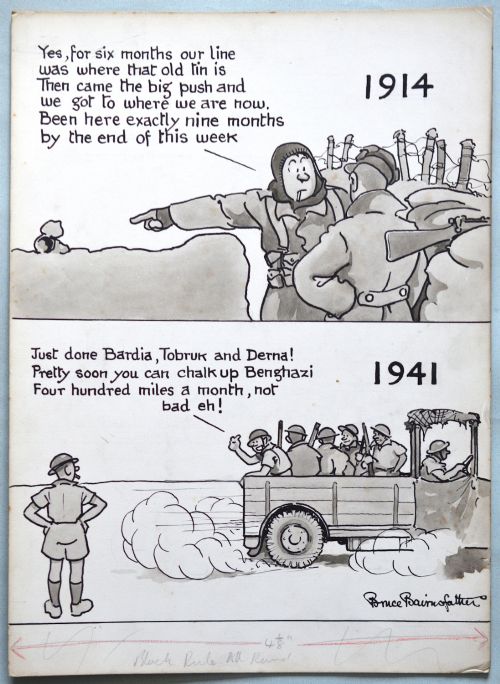
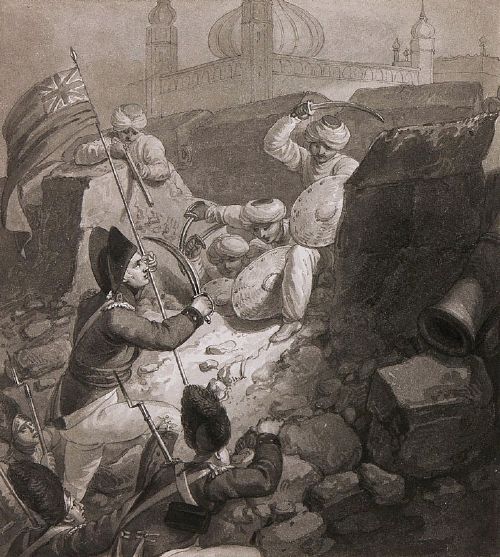
When you examine ink art on paper, you encounter works spanning from the seventeenth century through the mid-twentieth century, encompassing portraits, architectural studies, and landscapes. The selection includes expressive watercolours, detailed etchings, and preparatory sketches created by named artists and regional schools alike.
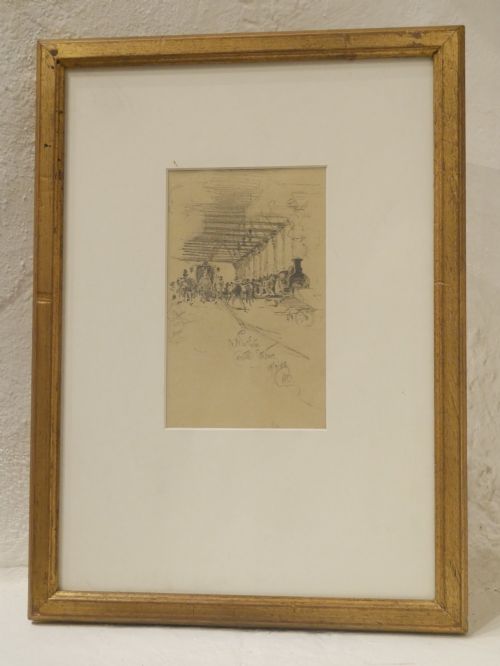
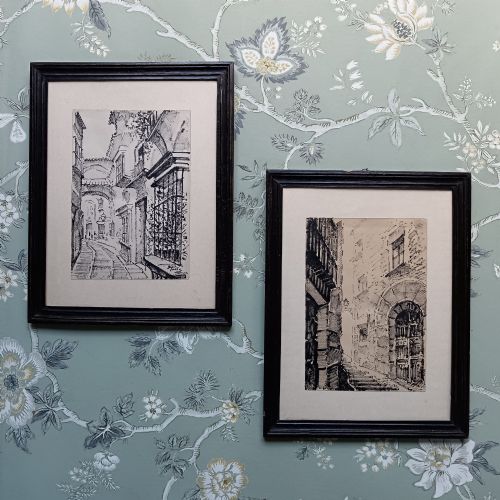
The dominant forms on this page include framed original drawings, landscape watercolours, and portrait studies from various British and European traditions. Pieces range from intimate notebook pages to finished gallery compositions presented behind glass.
How they were made
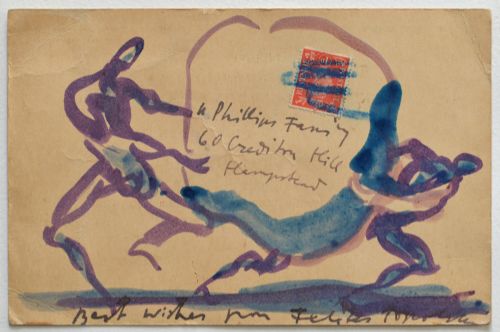
Artists built these compositions primarily using dark ink applied with fine pens or brushes onto various grades of paper support. Many pieces incorporate watercolour, wash, gouache, or pencil to add tonal depth and colour to the foundational ink lines.
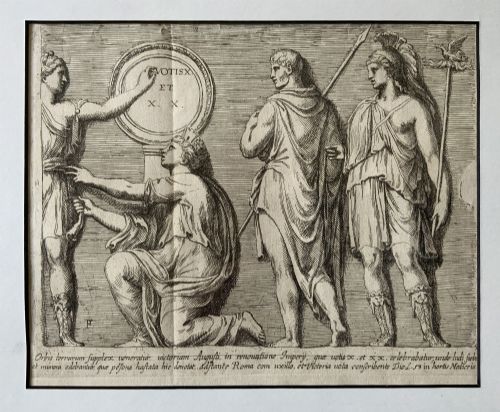
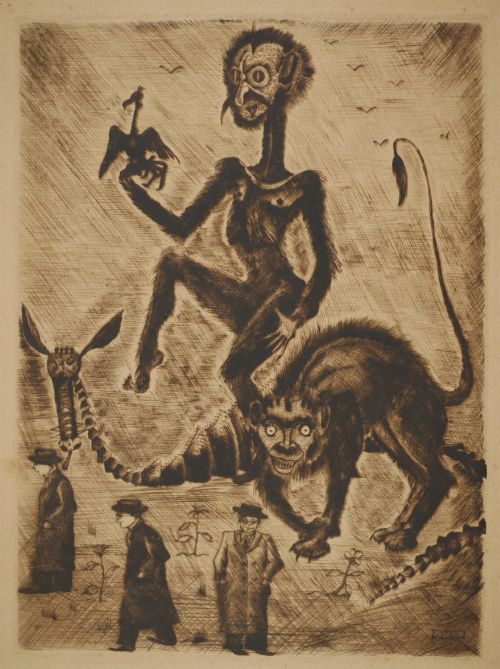
Etchings and prints utilise metal plates and specialised presses to transfer inked designs onto paper sheets. Framing often incorporates wood surrounds and glass to protect the fragile paper substrates from environmental damage.
Ink Art on Paper Retail Price Guide 2026
Typical asking prices for ink art on paper among the pieces listed under this phrase on Sellingantiques today, from the lower quarter to the upper quarter. They describe what is for sale here now, not the wider market.
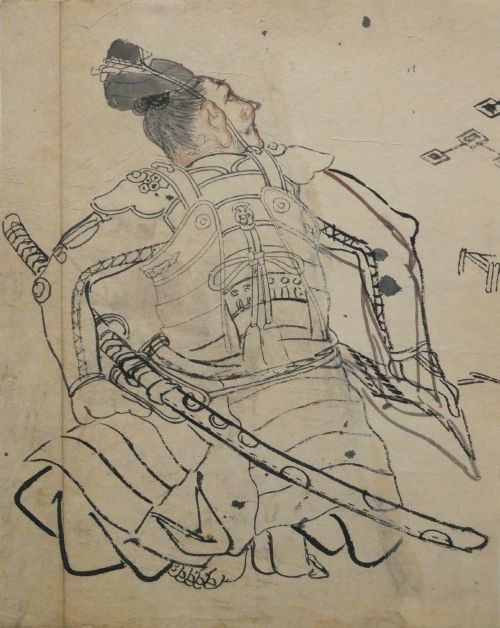
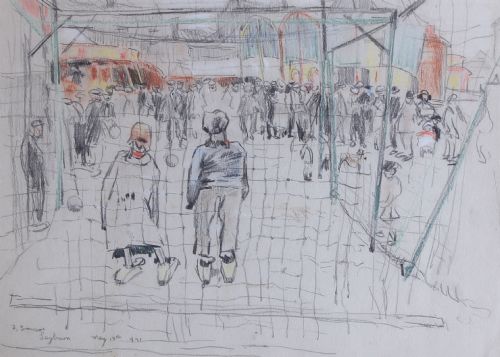
Cats, ballerinas, and military commanders share the paper stage here, proving artists drew whatever wandered past their inkpots.
What varies in quality
Quality rests upon the sureness of the draftsmanship and the vitality of the ink application, distinguishing confident execution from hesitant strokes. The sensitivity of the wash and the harmonious balance between pigment and negative space dictate the visual success of the piece.
Provenance and documentation elevate certain works, particularly when signed by known hands or accompanied by historical labels. The preservation of the paper sheet itself, free from heavy acid burn or disruptive fading, underpins the long-term integrity of the artwork.
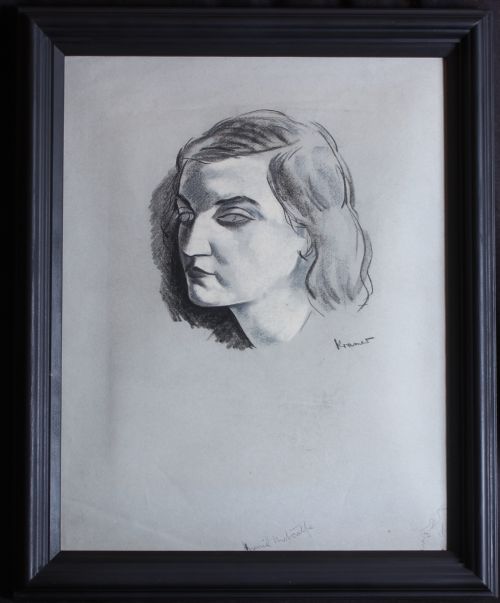
Jacob Kramer·Fred Lawson·Bruce Bairnsfather·William Marshall Craig·Louis Wain
The Ink Art on Paper Glossary
- Wash
- A diluted layer of ink or watercolour applied evenly across paper to create shadow and tonal depth. It provides soft backgrounds and atmospheric effects in monochrome drawings.
- Gouache
- An opaque watercolour paint containing a binding agent that creates a dense, matte surface. Artists use it to introduce solid highlights over dark ink lines.
- Etching
- A printmaking technique where acid bites lines into a metal plate that is subsequently inked and pressed onto paper. This process yields sharp, reproducible lines with rich plate marks.
- Provenance
- The documented history of ownership and exhibition attached to an artwork. It establishes authenticity and traces the journey of a piece from the creator to the present collection.
Ink Art on Paper: Frequently Asked Questions
How should I frame ink art on paper?
Works on paper require conservation-grade mounting materials to prevent the acid in standard cardboards from yellowing the sheet over time. Keeping the glass from directly touching the surface prevents moisture entrapment and preserves the delicate ink and watercolour layers.
Positioning the framed piece away from direct sunlight protects the fugitive pigments and inks from fading. Using UV-filtering glass offers an extra layer of defence against light damage in domestic settings.
Are these works original or prints?
The selection includes both unique handmade drawings and original printed editions such as etchings. Unique works show the direct pooling of wet ink and pencil graphite under close inspection.
Print items bear the distinct indentation of the plate edge on the paper surface. Examining the reverse and margins often reveals signatures, numbering, or collector stamps confirming the nature of the work.
How do I identify the period of a drawing?
Stylistic clues, costume details, and framing methods often provide the earliest indicators of a drawing's age. Watermarks embedded within the paper pulp can sometimes be viewed by holding the sheet to a light.
Signatures, artist biographies, and gallery labels on the backing board offer firm chronological markers. Comparing handling techniques to dated examples by regional schools confirms the historical context.
What is wash in ink drawings?
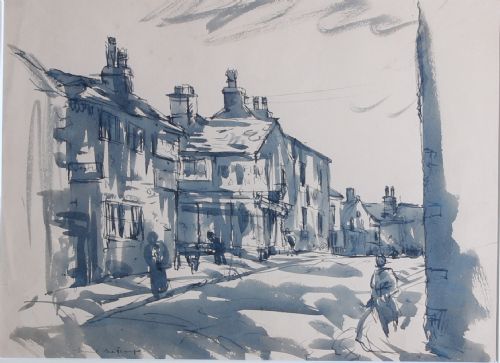
Wash is a technique where ink is thinned with water and brushed onto the paper to create graduated shadows and tonal fields. It adds a sculptural quality to linear sketches by establishing light and dark directions.
Artists frequently combined pen work with monochrome wash during the eighteenth and nineteenth centuries to build rapid landscape studies. This method captures atmospheric weather conditions with remarkable economy of means.