



Industrial Wooden Desk
An industrial wooden desk brings robust utility and honest character into a modern room, forged from timber and iron.
Industrial Wooden Desk
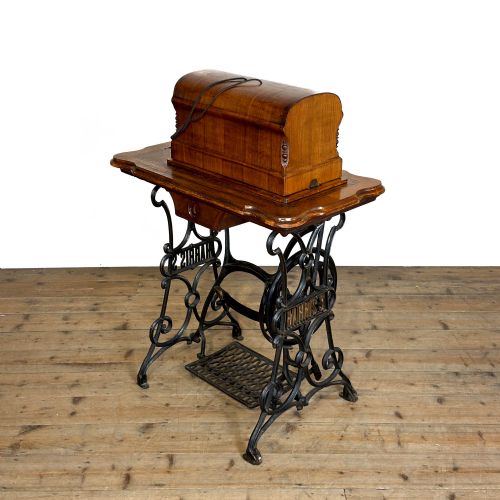
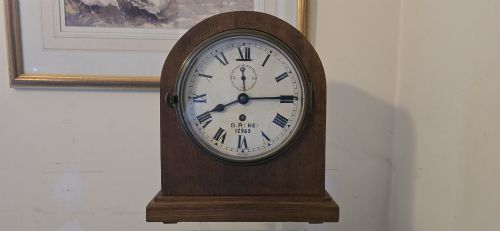
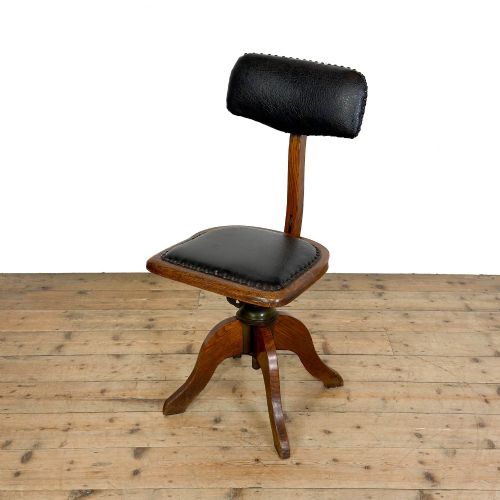
An industrial wooden desk represents the sturdy working furniture of past decades, encompassing related forms such as prep tables, office chairs, and pigeon holes. When searching for an industrial wooden desk, buyers often encounter pieces spanning the Victorian era through the early twentieth century, including Edwardian and 1920s examples.
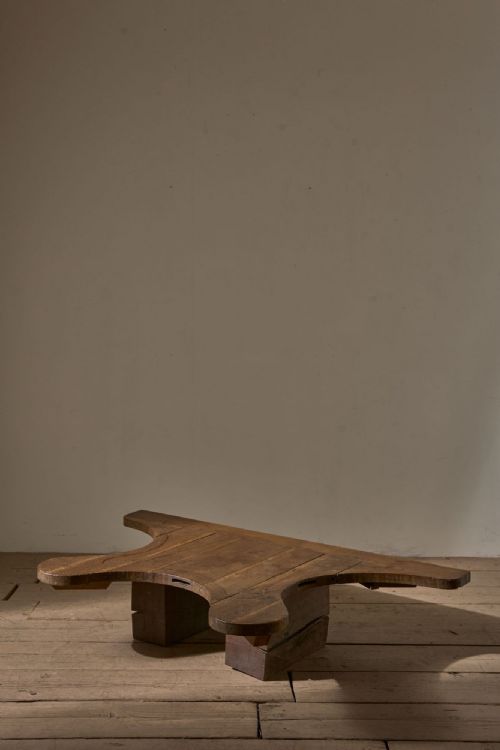
The selection here includes functional items like bakers prep tables, jewellers bench coffee tables, and office cabinets rather than domestic parlor furniture. These survivors of workshops, offices, and kitchens bring straightforward utility and tactile surfaces into contemporary spaces.
Most pieces show the marks of genuine past use, utilising combinations of timber, pine, oak, cast iron, and metal. The aesthetic blends rustic farmhouse charm with industrial salvage and utility, favouring function above ornamentation.
How they were made
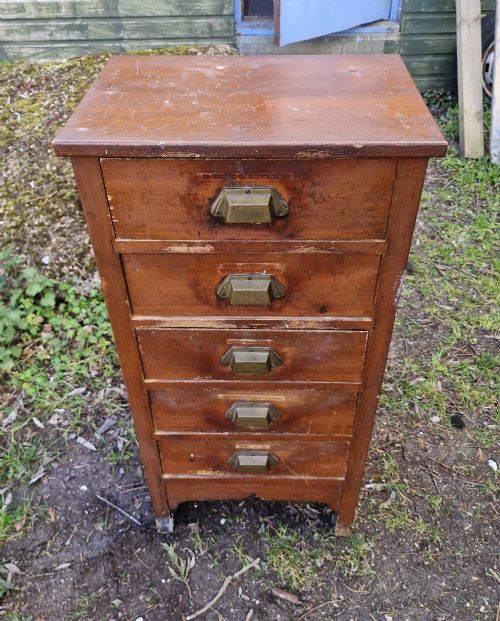
Makers built these pieces to withstand heavy daily labour in workshops and offices, combining solid timber or pine with structural iron and cast iron components. Drawers and cabinets often incorporate period brass handles for durability and practical operation.
Workmanship prioritized structural integrity over delicate ornamentation, seen in trestle constructions, adjustable mechanisms, and heavy metal framing. Surfaces relied on the natural grain of wood and the utilitarian strength of cast iron to endure decades of hard use.
Industrial Wooden Desk Retail Price Guide 2026
Typical asking prices for industrial wooden desk among the pieces listed under this phrase on Sellingantiques today, from the lower quarter to the upper quarter. They describe what is for sale here now, not the wider market.
Listings feature pieces spanning the Victorian era through the 1930s, combining timber, pine, oak, cast iron, and metal.
What varies in quality
Quality rests in the original integrity of the construction and the honesty of the materials, where substantial oak or pine meets heavy, well-cast iron framework. Pieces designed for specific trades, such as jewellers benches or machinist seating, display specialised engineering that elevates their interest.
The balance between the timber top and the metal base dictates the visual harmony of the piece, alongside the retention of original hardware like brass handles. Pieces that retain their working adjustments and uncompromised structural frames stand apart from simpler domestic adaptations.
Evertaut
The Industrial Wooden Desk Glossary
- Cast iron
- A strong, heavy alloy poured into moulds to form rigid machine bases, table legs, and structural supports. It provides the industrial weight and silhouette characteristic of these pieces.
- Pigeon holes
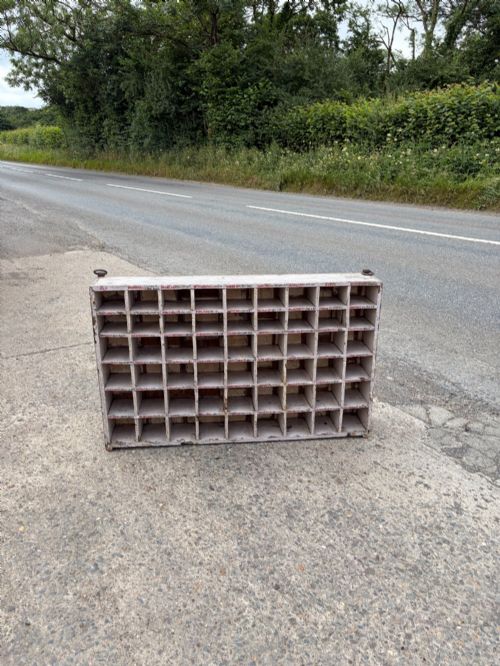
- Small, open compartments grouped in a cabinet for sorting correspondence, papers, or components. They represent the paperwork management of nineteenth and early twentieth century offices.
- Trestle table
- A table supported by two or more upright frames connected by a horizontal beam. This form offers robust stability without obstructing legroom.
- Edwardian
- The period spanning the reign of King Edward VII from 1901 to 1910, marked by furniture that often combined traditional timber work with emerging utilitarian forms.
- Industrial salvage
- Items rescued from commercial, manufacturing, or municipal settings and repurposed for interior use. This style celebrates the functional beauty of discarded workspace equipment.
Industrial Wooden Desk: Frequently Asked Questions
What defines an industrial wooden desk?
An industrial wooden desk combines heavy timber surfaces with iron or metal framing, originating from workshops, offices, or factories of the nineteenth and early twentieth centuries.
These pieces prioritize utility and robust construction over decorative flourish, often displaying the practical adaptations of their working past.
How do I date an industrial piece?
Dating relies on construction methods, materials, and specific design markers such as cast iron bases, period brass handles, and timber types like pine or oak.
Evidence from the nineteenth century through the 1930s shows a steady evolution from heavy Victorian casting towards more streamlined early twentieth century utility.
Where were these pieces used originally?
These items served in working environments including machinist workshops, jewellers benches, bakeries, and administrative offices.
Their original purpose dictated their durable build, utilising cast iron for strength and timber for practical working surfaces.
How do I live with industrial furniture?
Industrial pieces anchor a room with strong vertical and horizontal lines, contrasting well against softer domestic furnishings.
Their robust nature allows them to function as desks, tables, or storage cabinets in contemporary living and working spaces.