


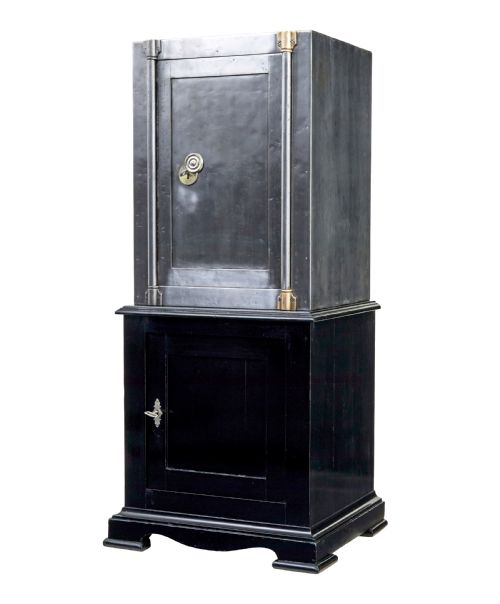


Industrial Metal Coffer
These industrial metal coffer pieces are heavy utilitarian storage items built from iron, steel, and brass, offering rugged practicality and robust security for the home.
Industrial Metal Coffer
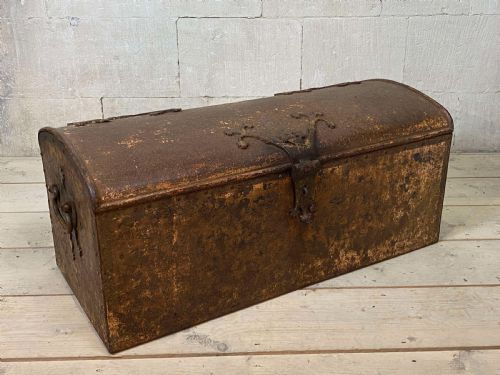
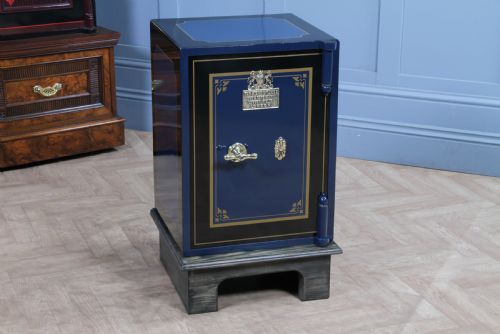
When you search for an industrial metal coffer, you are looking at heavy-duty storage trunks, safes, and strongboxes designed for travel, security, or domestic fuel storage. These pieces combine utilitarian function with durable construction, reflecting the practical demands of their period.
On this page, the pieces you are most likely to meet span the nineteenth century and the early twentieth century, taking forms such as steamer trunks, heavy cast iron safes, and iron-bound pine chests. They derive from various traditions including Victorian maritime, Arts and Crafts, and rustic country styles.
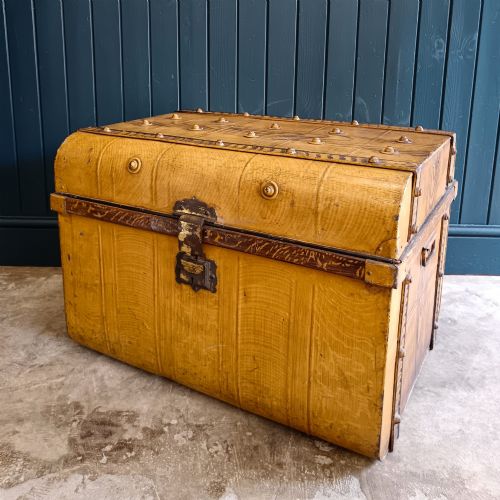
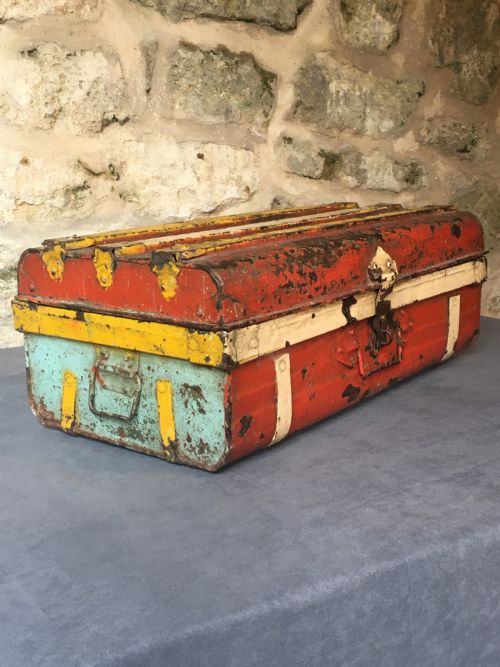
The objects range from polished steel cabinets and Cunard line steel travelling trunks to large aluminium shipping chests and painted metal steamer trunks. Each item displays the characteristic hardware and materiality of its original functional purpose.
How they were made
These pieces rely on heavy combinations of iron, steel, and cast iron, frequently reinforced with brass fittings and mounted on wood such as pine. Smiths and manufacturers utilised sheet metal and structural iron to create rigid enclosures capable of withstanding rough maritime transit or secure office use.
Surface finishes vary from polished steel and faux-wood painted metal to simple painted coatings, while internal mechanisms involve robust locking systems seen in makers like Tanns Defiance. Construction techniques combine riveted metal plates, bound edges, and sturdy timber carcasses to ensure absolute durability.
Industrial Metal Coffer Retail Price Guide 2026
Typical asking prices for industrial metal coffer among the pieces listed under this phrase on Sellingantiques today, from the lower quarter to the upper quarter. They describe what is for sale here now, not the wider market.
Materials documented across the collection include iron, brass, cast iron, steel, wood, pine, and sheet metal.
What varies in quality
The calibre of a piece is determined by the substantial nature of its metalwork, the complexity of its locking mechanism, and the integrity of its original mountings. Heavier cast iron and thick steel plates represent higher manufacturing input than lighter sheet metal alternatives.
Preservation of original surfaces, such as faux-wood painted finishes or polished steel, alongside functioning locks and authentic period hardware, separates standard utility items from superior surviving examples.
Tanns Defiance London
The Industrial Metal Coffer Glossary
- Strongbox
- A secure metal chest or box designed for the safekeeping of valuables and documents. These feature heavy cast iron or steel construction and complex internal locks.
- Steamer trunk
- A large travelling chest built low enough to fit beneath a ship berth. These often utilise sheet metal over a wooden carcass with reinforced edges.
- Cast iron
- An iron-carbon alloy poured into moulds to create rigid, heavy structural forms. It appears frequently in Victorian safes and strongboxes.
- Deed box
- A smaller metal box traditionally used for storing legal documents and land titles. They are often found in pairs with secure lids and drop handles.
Industrial Metal Coffer: Frequently Asked Questions
How were these metal trunks used?
These items served demanding practical roles such as maritime travel, document security, and coal storage beside the fireplace. Shipping chests protected belongings on ocean liners, while strongboxes guarded valuables in offices.
Living with them today is straightforward, as their durable metal surfaces and sturdy construction make them resilient coffee tables or blanket boxes.
How do I date an iron safe?
Dating relies on observing construction methods, materials, and stylistic cues present in the hardware and locking mechanisms. Pieces from the Victorian era often feature heavy cast iron or painted finishes with detailed brass badges.
Later Edwardian and twentieth-century examples introduce materials like aluminium and polished steel alongside simpler industrial aesthetics.
Are these pieces fully restored?
Condition varies across the selection, with some items retaining raw patination while others have undergone careful restoration of their metal surfaces and mechanisms. Restored examples often highlight polished steel or renewed paintwork while keeping original structural elements intact.
Examining the individual listing details clarifies the extent of work carried out on each specific trunk or safe.