






Industrial Metal and Wood
Industrial metal and wood pieces combine raw structural strength with organic warmth, offering functional character for modern interiors.
Industrial Metal and Wood
Industrial metal and wood items span practical workshop furniture, utilitarian seating, and robust storage pieces originating from the eighteenth, nineteenth, and early twentieth centuries. Buyers seeking industrial metal and wood frequently encounter stools, refectory dining tables, console tables, and steamer trunks that originally served utilitarian functions in factories, farms, and workshops.
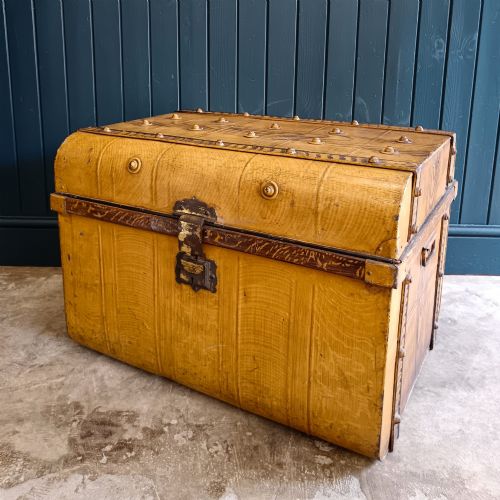
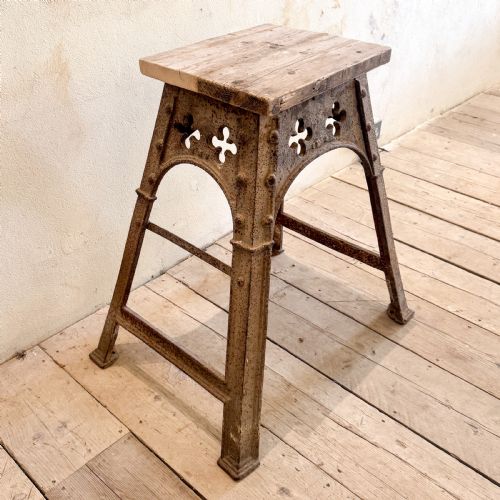
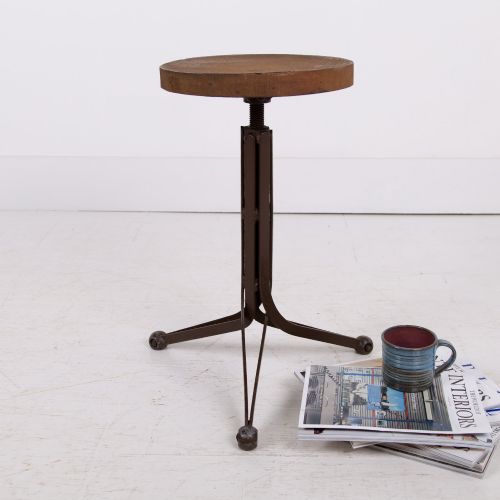
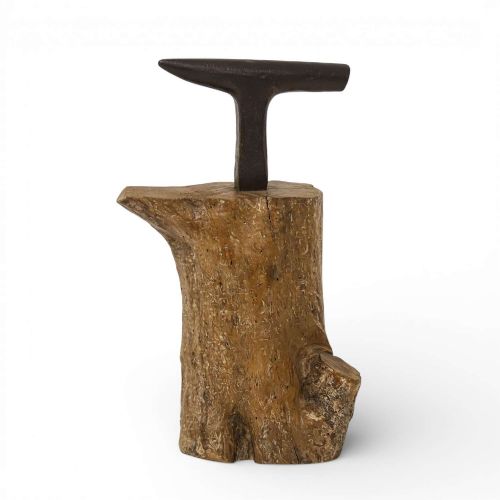
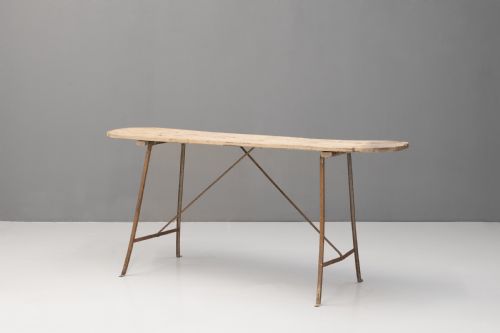
The selection on this page demonstrates considerable variety across periods, ranging from Georgian oak refectory tables and Victorian cast iron and wood revolving stools to 1930s workshop seating and late nineteenth century faux-wood painted metal trunks. French provincial pieces also appear alongside British workshop items, offering bleached trestle tables and fruitwood-mounted farrier's anvils that highlight vernacular craftsmanship.
Stools and tables dominate the available forms, utilising the pairing of heavy metal mechanisms with solid timber tops. Whether viewing an adjustable workshop stool from the 1930s or a Victorian industrial metal stand, the pieces unite pragmatic construction with enduring visual weight.
Materials and Construction
The construction of industrial metal and wood pieces relies on robust structural metals paired with dense domestic hardwoods and softwoods. Cast iron, wrought iron, and steel provide the load-bearing frames, pedestals, and mechanical adjustment screws, while pine, oak, fruitwood, walnut, and timber form the primary surfaces and storage bodies.
Makers joined heavy sheet metal and cast components to wooden tops and bases using visible rivets, bolts, and traditional joinery suitable for heavy daily wear. Surface treatments vary from natural waxed timber and bleached finishes to painted sheet metal simulating grained wood, as seen on late nineteenth-century steamer trunks.
Industrial Metal and Wood Retail Price Guide 2026
Typical asking prices for industrial metal and wood among the pieces listed under this phrase on Sellingantiques today, from the lower quarter to the upper quarter. They describe what is for sale here now, not the wider market.
A nineteenth-century trunk uses clever paintwork to impersonate solid timber, proving that even heavy industry enjoyed a modest disguise.
Assessing Quality in Industrial Metal and Wood
Quality in industrial metal and wood rests upon the integrity of the original mechanical components and the proportion of the materials. Pieces featuring functional, working iron adjustment screws, stable cast iron bases, and thick, uncompromised timber planks represent the upper tier of manufacturing.
The distinction between utilitarian workshop output and finer domestic adaptations lies in the crispness of the iron casting, the retention of original surface patination, and the honesty of the materials. Surviving manufacturer markings, authentic workshop wear, and unblemished structural joints elevate an object above standard utilitarian grade.
Rubery Owen
The Industrial Metal and Wood Glossary
- Refectory table
- A long dining table historically used in communal dining halls and adapted for domestic dining rooms. These tables typically feature sturdy wooden stretchers supporting solid timber tops.
- Farrier's anvil
- A heavy iron block used by blacksmiths for shoeing horses, frequently mounted on a wooden base or trunk for stability. This tool forms the foundation of specific sculptural vernacular workshop pieces.
- Steamer trunk
- A large, durable storage chest designed for travel, often constructed from sheet metal over a wooden frame. Nineteenth-century examples sometimes incorporate painted finishes mimicking fine wood grain.
- Cast iron
- An iron-carbon alloy poured into moulds to create complex shapes, machine bases, and sturdy structural supports. This material provides the heavy weight characteristic of Victorian industrial furniture.
- Fruitwood
- A dense, fine-grained timber sourced from fruit-bearing trees such as pear or apple. Cabinet makers utilised this wood for turned legs, decorative mounts, and small furniture items.
Industrial Metal and Wood: Frequently Asked Questions
What defines industrial metal and wood furniture?
Industrial metal and wood furniture combines utilitarian metal frameworks with solid timber surfaces, originating from workshops, factories, and agricultural settings.
These pieces prioritize functional strength and durability, utilising exposed iron, steel, and heavy woods like oak and pine.
How do I date an industrial workshop stool?
Dating relies on examining the casting methods, mechanical adjustment screws, and fastener types used in the metal components.
Nineteenth-century examples often feature heavy cast iron pedestals, while 1930s pieces introduce refined steel adjustments and specific workshop provenance.
Are these pieces suitable for modern dining rooms?
Refectory tables and workshop stools integrate smoothly into contemporary living spaces due to their robust construction and straightforward proportions.
Pairing heavy timber dining tables with revolving iron stools creates practical seating arrangements for everyday use.
What is the difference between Victorian and 1930s industrial pieces?
Victorian industrial items typically feature heavier cast iron elements, decorative rivets, and hand-forged wrought iron details.
By the 1930s, manufacturing shifted towards sleeker steel tubing, specialised workshop ergonomics, and adjustable mechanisms designed for specific industrial tasks.