



Indian Wooden Tray
An indian wooden tray brings rich carving and distinctive metalwork into a room, serving as a tactile piece of history.
Indian Wooden Tray
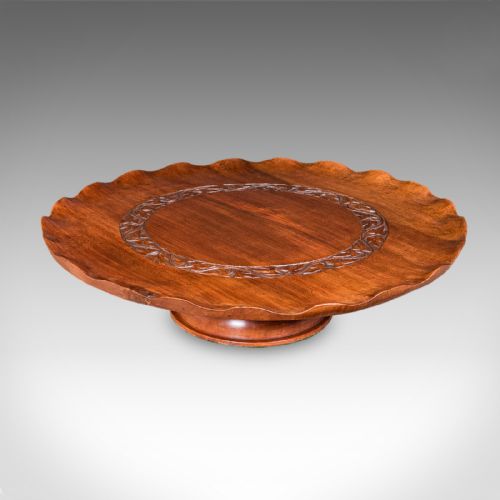
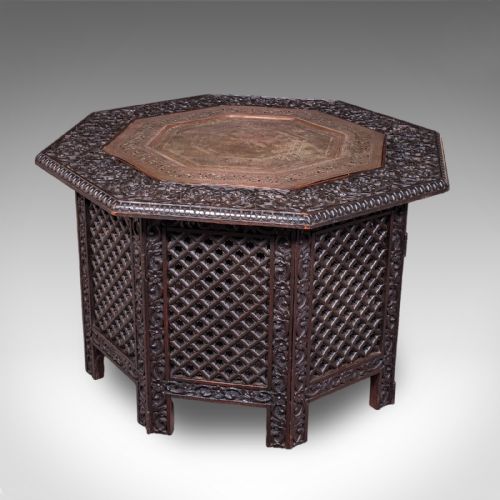
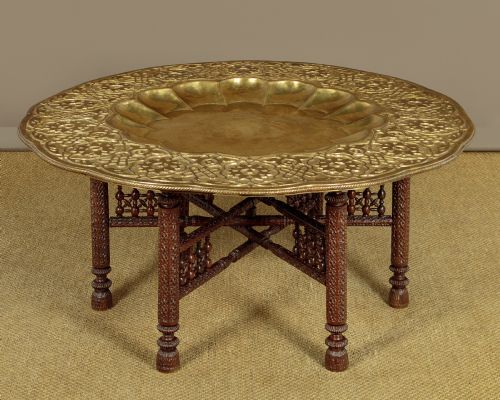
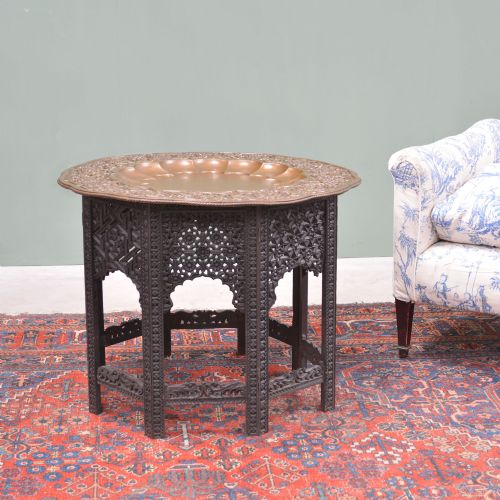
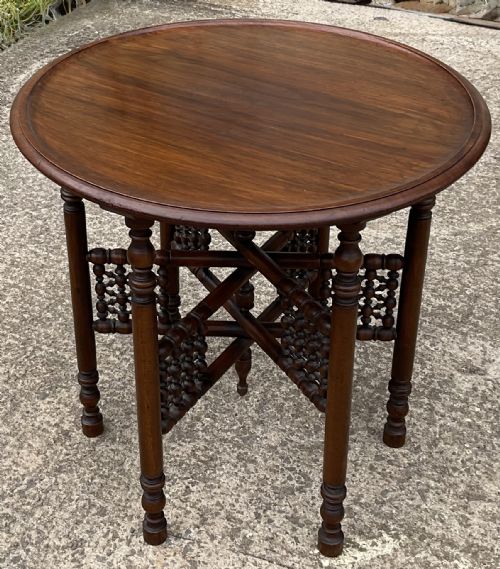
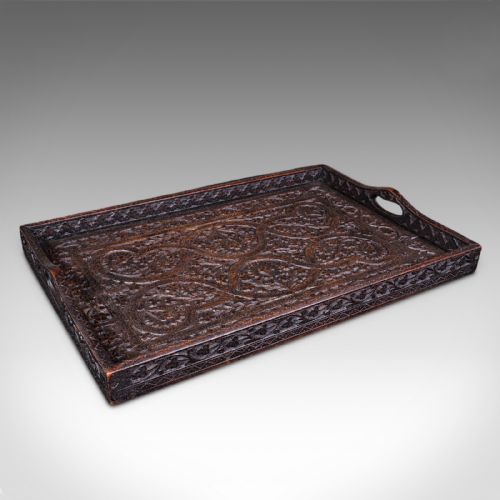
When you search for an indian wooden tray, you encounter a range of items spanning the Victorian era through to the early decades of the twentieth century. These pieces encompass smaller hand-held serving platters alongside larger folding tables that pair wooden stands with removable metal tops. The selection frequently highlights regional craftsmanship from periods such as late Victorian and 1900, blending traditional Eastern forms with British colonial utility.
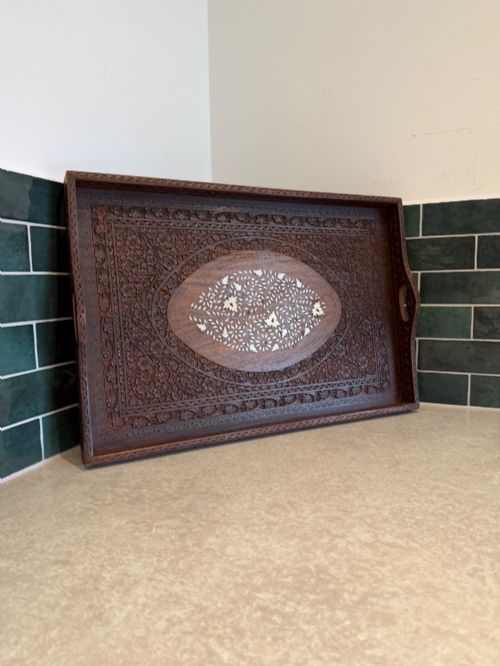
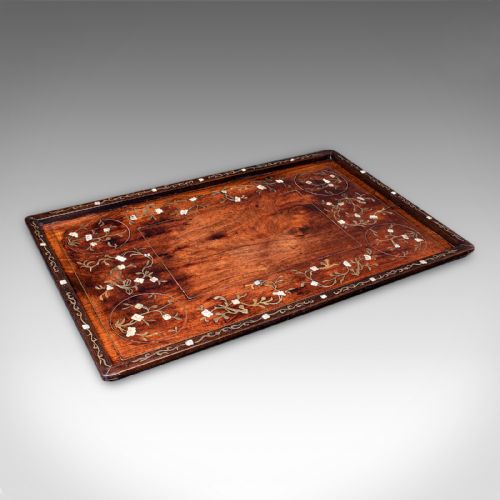
The objects take several distinct shapes, from octagonal occasional tables and coffee tables to afternoon tea platters and serving trays. Many combine a carved wooden base with inset brass or copper surfaces, while others rely entirely on intricate timber work. They function as both practical furniture and decorative surfaces within a domestic interior.
How they were made
Makers utilised dense timbers such as teak, walnut, mahogany, shisham, and general hardwoods to form the structure of each tray and table. These woods provided a stable foundation for deep carving, geometric piercing, and contrasting bone inlay work. Artisans selected these materials for their durability and grain, which held intricate surface details without splitting.
Metal elements, predominantly brass and copper, were hammered, chased, and inset directly into the wooden frames or formed removable tops. Regional workshops employed specialised techniques, evident in the detailed metal inlay of Benares pieces and the fine surface carving associated with Kashmiri and Hoshiarpur traditions.
Indian Wooden Tray Retail Price Guide 2026
Typical asking prices for indian wooden tray among the pieces listed under this phrase on Sellingantiques today, from the lower quarter to the upper quarter. They describe what is for sale here now, not the wider market.
What varies in quality
The distinction between standard and superior pieces rests upon the depth and clarity of the hand carving across the timber. Master carvers achieved crisp relief work and complex geometric patterns that remain sharp, whereas lesser examples show shallow, repetitive incisions with softer definition.
Another measure of quality involves the integration of the metal components, such as the precise fit of a copper or brass inset within the wooden border. Pieces featuring complete, well-preserved tea services or robust folding mechanisms demonstrate a higher level of original craftsmanship.
The Indian Wooden Tray Glossary
- Anglo-Indian
- Describing furniture and decorative objects made in India under British rule, often combining traditional local techniques with European furniture forms.
- Benares
- A city in northern India renowned for its distinct brassware production, featuring finely chased and etched surface patterns.
- Hoshiarpur
- A Punjabi town historically famous for intricate wood carving and the incorporation of delicate bone inlay into hardwood surfaces.
- Kashmiri
- Pertaining to the northern region known for finely worked walnut wood items decorated with detailed floral and foliage carving.
- Shisham
- An Indian rosewood frequently used for traditional furniture and platters due to its rich colour and dense grain.
Indian Wooden Tray: Frequently Asked Questions
How were folding tray tables used?
These tables served primarily for portable dining, afternoon tea, and occasional entertaining within colonial and domestic settings. The removable metal tops allowed servants to carry food or drinks independently from the wooden folding base.
Today, the same design offers flexibility in smaller living spaces where a coffee table or display surface needs to be easily stored away when not in use.
What is bone inlay?
Bone inlay involves setting small, hand-cut pieces of animal bone into carved recesses within a wooden surface to form geometric or floral patterns. This decorative technique creates high visual contrast against dark hardwoods like teak and shisham.
Pieces featuring this work require careful handling to preserve the delicate components embedded within the surrounding timber grain.
How do I care for wooden and brass trays?
Maintenance involves dusting the carved wooden surfaces regularly with a soft, dry cloth to prevent dirt accumulation in the recessed areas. Avoid using harsh chemical cleaners or excess water on both the timber and the inset metal.
Brass and copper insets benefit from occasional gentle polishing if you prefer a bright finish, though many owners choose to leave the natural aged patina intact.
How can I tell the period of a tray?
Dating relies on stylistic clues, construction methods, and materials recorded across late Victorian and early twentieth-century examples. Pieces marked by specific regional styles, such as Hoshiarpur carving or Benares brasswork, often align with exhibition periods from around 1900.
Examining the underside, joinery, and wear patterns helps distinguish nineteenth-century production from later decades.