





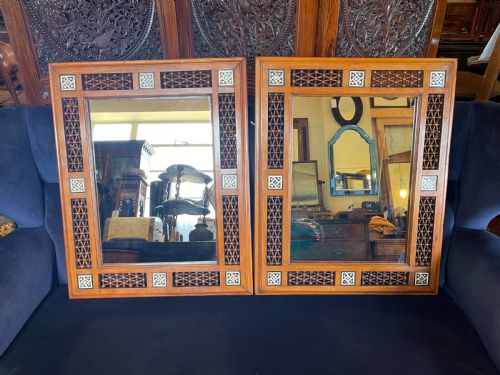

Indian Wooden Mirror
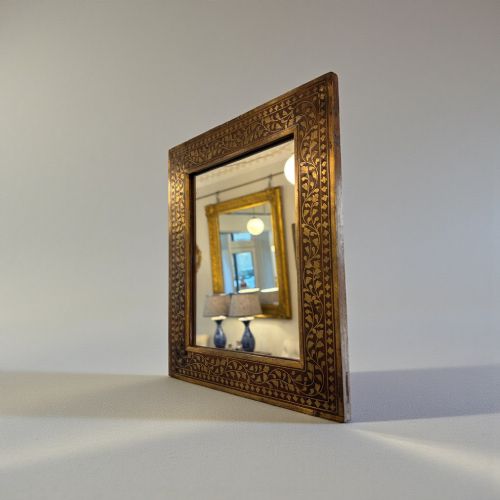
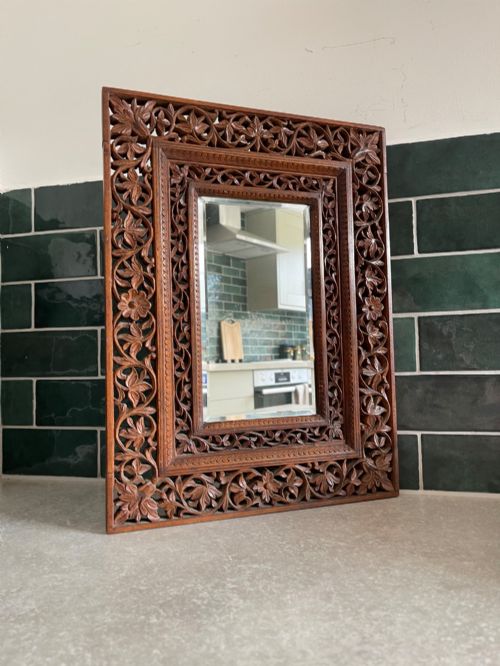
These indian wooden mirror pieces bring intricate carved detail and rich hardwood warmth directly into a room.
Indian Wooden Mirror
An indian wooden mirror combines traditional carving traditions with functional glass, frequently taking the form of wall mirrors or wall sconces. These pieces often arrive from specific centres such as Hoshiarpur or Kashmir, reflecting regional artistry.
Buyers are most likely to encounter 19th Century examples alongside pieces dated around 1880, 1890, 1900, and 1920. Styles range from Anglo-Indian and Moorish Revival to Ottoman Revival.
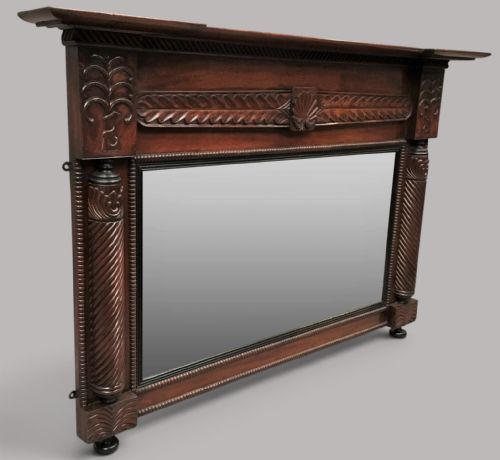
The primary forms recorded in current listings include wall mirrors, wall sconces, and overmantle mirrors. Hardwoods form the consistent structural base for these decorative objects.
How they were made
Maker workshops utilised dense hardwoods such as teak, rosewood, walnut, and sheesham as the primary foundation for carving. Artisans shaped these timbers by hand to create elaborate frames and panel surrounds.
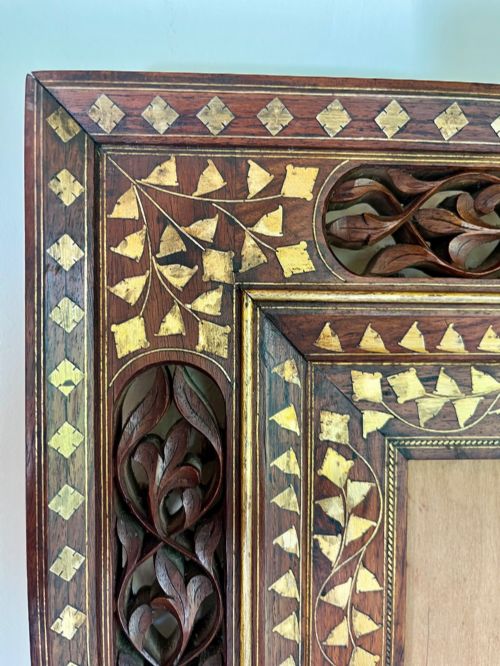
Decoration frequently involved detailed inlay work using brass, bone, or ivory set directly into the wood grain. Metal components and mirror glass complete the construction of these wall fixtures.
Indian Wooden Mirror Retail Price Guide 2026
Typical asking prices for indian wooden mirror among the pieces listed under this phrase on Sellingantiques today, from the lower quarter to the upper quarter. They describe what is for sale here now, not the wider market.
Current listings feature pieces spanning the nineteenth and early twentieth centuries, constructed from teak, rosewood, walnut, and sheesham.
What varies in quality
The intricacy of the surface carving and the precision of the inlaid brass, bone, or ivory distinguish finer examples. Superior specimens display deeply recessed relief work that remains crisp across the entire wooden frame.
The choice of underlying hardwood also influences the character of the piece, with dense timbers like teak and rosewood offering greater durability and sharper carved edges than softer alternatives.
The Indian Wooden Mirror Glossary
- Anglo-Indian
- A style describing decorative objects made in India during the British period, often combining local craftsmanship with European forms. These items frequently feature dense overall carving.
- Hoshiarpur
- A region in North India renowned for its specialised wood carving and inlay techniques. Pieces from this centre often incorporate intricate geometric patterns.
- Sconce
- A wall-mounted lighting fixture or mirror bracket designed to project outwards from the surface. In these listings, they appear paired with reflective glass.
- Sheesham
- A durable Indian hardwood, also known as Indian rosewood, prized for its rich grain and suitability for detailed carving. It provides a stable base for complex inlay work.
- Overmantle mirror
- A large mirror specifically designed to hang above a fireplace mantelpiece. Regency examples show classical proportions adapted to Eastern craftsmanship.
Indian Wooden Mirror: Frequently Asked Questions
Where should I hang an indian wooden mirror?
These pieces suit entrance halls, living rooms, and bedrooms where reflected light opens up the space. Placing them above a sideboard or mantelpiece highlights their carved wooden frames.
Ensure the wall fixings match the substantial weight of hardwood and metal components. Proper support keeps the frame secure over time.
How do I care for the inlaid wood?
Dust the carved surfaces regularly with a soft, dry brush to prevent dirt settling in the recesses. Avoid chemical polishes that might damage the delicate brass or bone inlay.
Keep the wood away from direct heat sources and strong sunlight to prevent drying and splitting. Natural wax applied sparingly helps maintain the lustre of the timber.
What distinguishes Hoshiarpur pieces?
Hoshiarpur items are defined by their meticulous surface decoration, often covering the entire wooden frame in geometric or floral motifs. Artisans from this region mastered the art of flush inlay.
This specific craftsmanship results in a tactile surface where contrasting materials sit level with the polished wood. Such pieces represent a high point of regional decorative skill.