






Indian Wooden Chair
An Indian wooden chair brings dense timber and intricate hand-carved detail straight from colonial workshops into a modern room.
Indian Wooden Chair
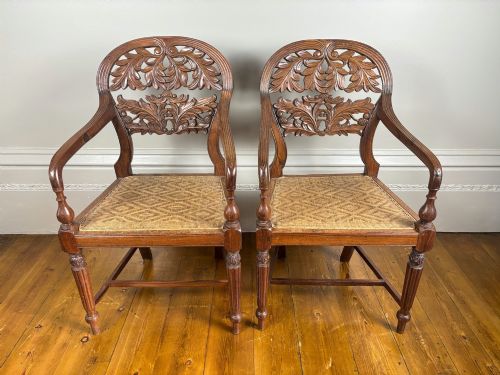
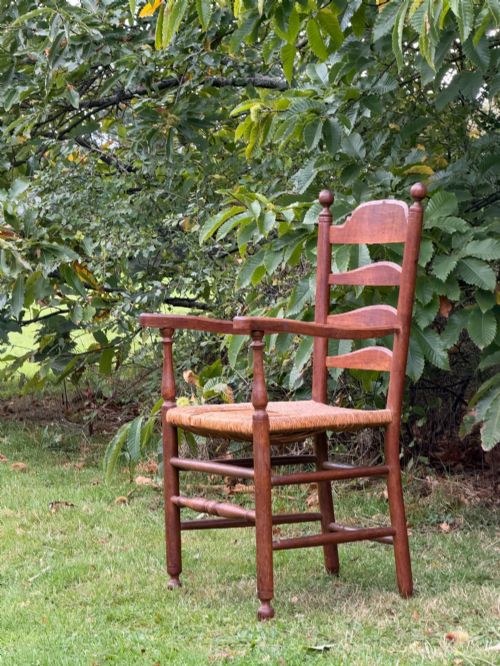
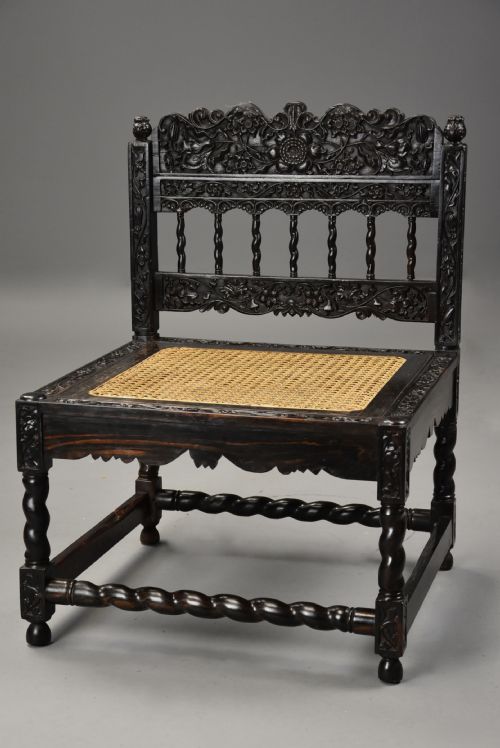
An Indian wooden chair encompasses heavily carved seating forms originating from the nineteenth century and earlier, spanning specific regional styles such as Anglo-Indian, Ceylonese, and Burmese. These pieces emerge in various forms including armchairs, side chairs, hall chairs, planters chairs, and folding chairs designed for both domestic comfort and ceremonial use.
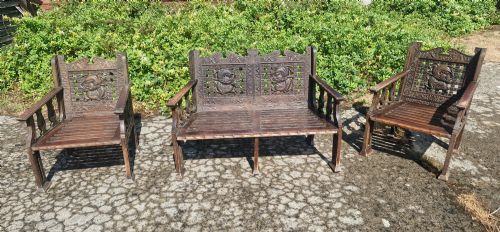
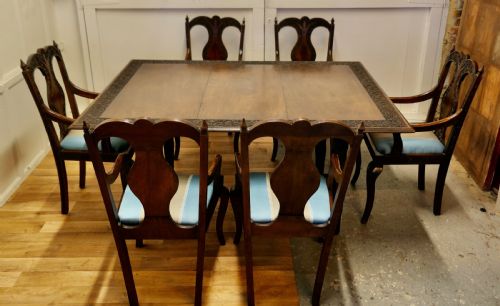
The version most frequently met on this page is the nineteenth-century carved armchair, often rendered in dense tropical timbers with elaborate foliage, animal, or geometric motifs. Alongside these stand occasional sets, dining chairs, and specialist seating such as the Savonarola or low chair types.
Origins stretch across distinct centres of craftsmanship including Ceylon, the Coromandel Coast, and Burma, blending local woodworking traditions with European seating forms demanded by the colonial market. Each piece reflects the specific aesthetic of its production era, from Victorian colonial interpretations to Moorish revival designs.
Materials and Construction
Makers utilised dense, durable timbers suited to intricate hand-carving, predominantly teak, solid ebony, rosewood, padouk, and satinwood. These heavy hardwoods support deep relief carving without splitting, allowing artisans to create complex pierced patterns along crest rails, splats, and aprons.
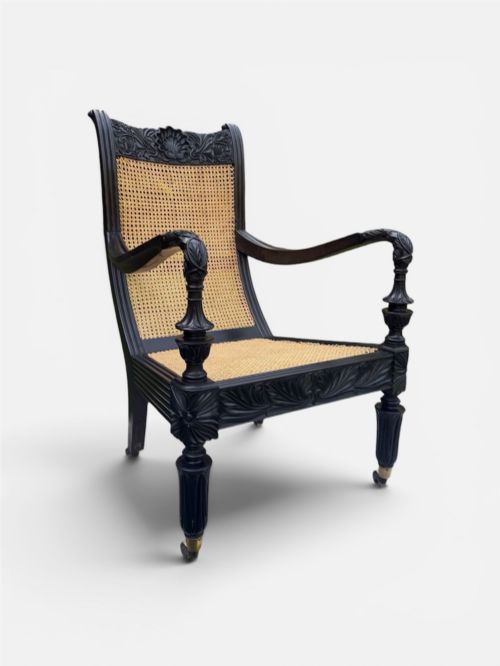
Construction techniques frequently combine traditional joinery with applied brass mounts, cane seating panels, or upholstered pads in fabric and velvet. Specialist forms like planters chairs incorporate extended leg rests, while others utilise folding mechanisms or pegged joints characteristic of regional workshops.
Indian Wooden Chair Retail Price Guide 2026
Typical asking prices for indian wooden chair among the pieces listed under this phrase on Sellingantiques today, from the lower quarter to the upper quarter. They describe what is for sale here now, not the wider market.
Peacock armchairs from Burma proudly display fan-shaped crest rails designed to frame the sitter like an exotic avian display.
Assessing Quality and Execution
The depth, crispness, and continuity of the hand-carving separate standard production from exceptional execution, with superior examples displaying undercut foliage and sharply defined motifs rather than shallow stamping. The density and grain of the chosen timber, such as heavy solid ebony or rich rosewood, also dictate the standing of a piece.
Structural integrity depends on the preservation of original joints, timber stability, and the retention of secondary elements like brass inlay, cane work, or fitted upholstery. Pieces maintaining their original surface patination without excessive later intervention command greater regard among collectors.
The Indian Wooden Chair Glossary
- Anglo-Indian
- A descriptive term for furniture made in India during the British colonial period, combining local cabinet-making skills with European forms. These pieces often merge indigenous motifs with Regency or Victorian silhouettes.
- Cane
- Woven rattan material utilised for chair seats and backs to provide cool ventilation in warm climates. It requires skilled hand-weaving around the frame aperture.
- Planters Chair
- An armchair featuring extended, hinged armrests designed for reclining with feet elevated. This form gained popularity across colonial bungalows for relaxation.
- Savonarola
- A folding chair constructed from multiple curved wooden slats forming an X-shaped frame. The design takes inspiration from Italian Renaissance seating adapted by regional makers.
- Padouk
- A heavy, durable tropical hardwood displaying rich reddish-brown tones. Craftsmen favoured this timber for its stability and fine finish under carving tools.
Indian Wooden Chair: Frequently Asked Questions
What defines an Anglo-Indian chair?
An Anglo-Indian chair combines European furniture forms, such as the Victorian armchair or elbow chair, with traditional Indian carving techniques and tropical timbers. These pieces reflect the tastes of the colonial period through dense foliage motifs and regional construction methods.
They serve as functional seating while displaying distinct craftsmanship from centres like Ceylon, Bombay, and Burma, utilising heavy hardwoods such as teak, ebony, and rosewood.
How do I care for a hardwood chair?
Maintain tropical hardwood chairs by keeping them away from direct heat sources and sudden temperature fluctuations that can cause timber to split. Regular dusting with a dry, soft cloth preserves the surface finish without requiring heavy polishes.
Check cane panels and structural joints periodically to ensure they remain stable under normal weight. Treating the wood with appropriate natural oils preserves the moisture balance of dense timbers like ebony or teak.
Where were planters chairs used?
Planters chairs were primarily used on deep verandas and in living spaces of colonial bungalows across South Asia. The extended armrests allowed residents to recline comfortably during warm weather.
These pieces function effectively as statement armchairs in contemporary studies or living rooms, offering a distinct profile compared to standard domestic seating.
How can I distinguish a Ceylonese chair?
Ceylonese chairs often feature specific hardwood selections, such as solid ebony or satinwood, paired with deeply carved ornamentation characteristic of workshops in Sri Lanka. The carving frequently incorporates dense scrollwork, flora, and fauna motifs.
Examining the weight, timber grain, and joinery style helps separate these regional examples from other Victorian or colonial productions found across the subcontinent.