

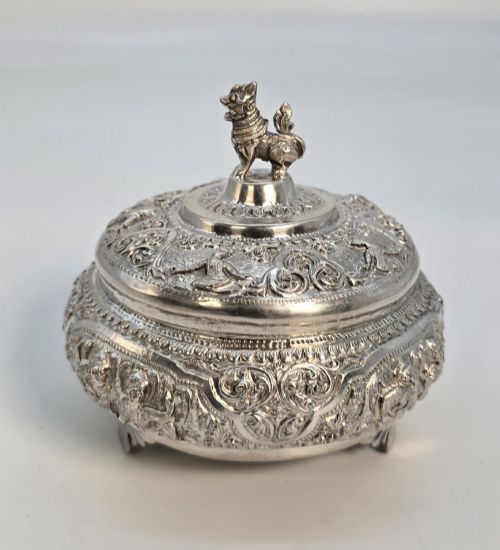


Indian Silver Trinket
These indian silver trinket pieces offer tangible history through intricate metalwork, bringing utilitarian elegance and craftsmanship straight into your home.
Indian Silver Trinket
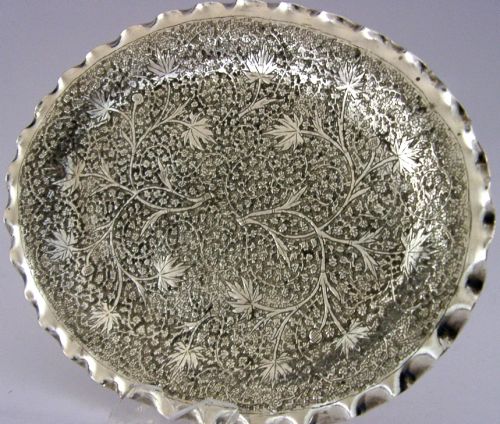
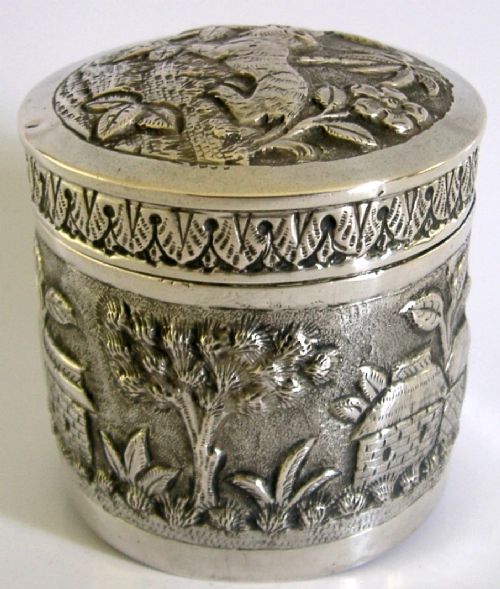
When you search for indian silver trinket items, you encounter a specialised array of containers and vessels originating from the nineteenth and early twentieth centuries. These objects span various forms including lidded jars, tea caddies, card cases, and shallow trays created during the Raj period and under Anglo-Indian or Indian Colonial influences.
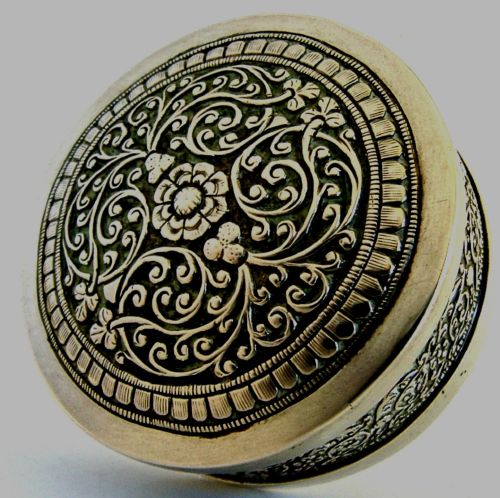
You are most likely to meet solid silver boxes and lidded jars featuring dense ornamentation and regional motifs typical of nineteenth century production. The selection also includes silver plated items alongside specific regional pieces such as those originating from Ceylon or Kashmir.
The assortment demonstrates diverse functional purposes, ranging from small heart-shaped trinket dishes to substantial turban or crown boxes and cigarette holders. Each piece reflects the aesthetic exchanges of the era through distinct stylistic interpretations.
Materials and Techniques
The construction of these items relies heavily on solid silver and sterling silver, sometimes augmented by silver plate, wood, or lacquer foundations. Artisans shaped the metal by hand, applying hammering and repoussé techniques to build up relief decoration across the surface.
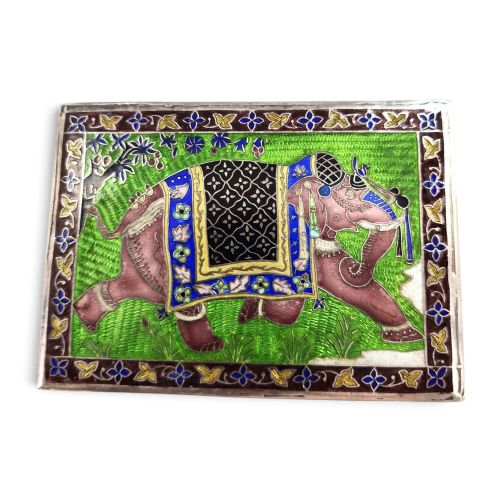
Certain pieces incorporate detailed enamel work to add colour and contrast to the metallic grounds. The combination of structural metalwork with applied decorative elements yields the textured surfaces characteristic of these boxes and trays.
Indian Silver Trinket Retail Price Guide 2026
Typical asking prices for indian silver trinket among the pieces listed under this phrase on Sellingantiques today, from the lower quarter to the upper quarter. They describe what is for sale here now, not the wider market.
Elephant motifs make unexpected appearances, guarding the contents of Victorian card boxes with quiet dignity.
Assessing Quality and Execution
Quality in these objects rests upon the depth, clarity, and precision of the chased or embossed ornamentation across the silver surface. Superior examples display crisp definition in the motifs and a balanced, heavy weight in the hand that speaks to substantial metal gauges.
The integration of secondary materials such as enamel or wooden cores also influences the overall execution. Pieces where the decorative detailing remains sharp and the structural joints fit tightly represent the higher tier of period craftsmanship.
The Indian Silver Trinket Glossary
- Anglo-Indian
- A style describing decorative arts produced during the British period in India, blending British forms with traditional Indian craftsmanship. This aesthetic defines many items created for colonial administrators and visitors.
- Repoussé
- A metalworking technique where the artisan hammers the metal from the reverse side to form a raised design in relief. This method creates the three-dimensional ornamentation seen on these boxes.
- Tea Caddy
- A small container originally designed to store tea leaves securely. In this context, the form is realised in silver with a fitted lid.
Indian Silver Trinket: Frequently Asked Questions
What were indian silver trinket boxes used for?
These boxes served multiple domestic purposes, holding small valuables, personal items, visiting cards, or tea. Their varied sizes accommodated specific contents ranging from dry leaves to jewellery.
Many functioned as desk accessories or dressing table items within colonial households. Their decorative nature meant they were displayed openly in living spaces.
How can I date my silver box?
Dating relies on stylistic markers, construction methods, and any accompanying hallmarks or period associations. Nineteenth century pieces often display heavier cast elements and distinct regional chased patterns.
Later items from the early twentieth century may show stylistic shifts influenced by changing production methods. Comparing the specific motif style to documented periods helps narrow the timeframe.
Are these pieces made of solid silver?
The material composition varies across the range, including solid silver, sterling silver, and silver plate. Listings specify the exact material makeup and often provide the weight in grams.
Some items combine silver with internal wooden structures or exterior enamel accents. Checking the metal description for each individual piece clarifies its primary construction.
How do I care for antique silver boxes?
Maintenance involves gentle dusting and minimal polishing to preserve the chased or embossed details. Harsh chemical dips can damage delicate enamel or wear away the high points of relief work.
Storing the items in stable humidity conditions protects any underlying wood or lacquer components. Regular soft cloth wiping maintains the natural lustre of the metal.