

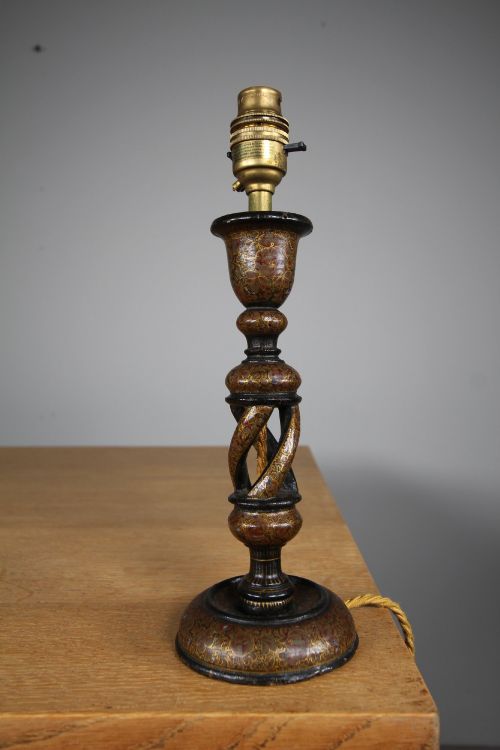
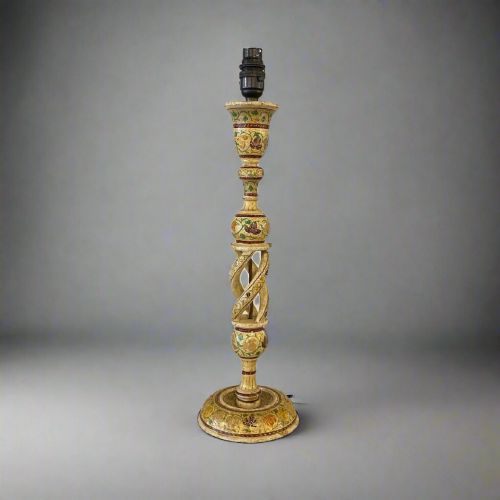
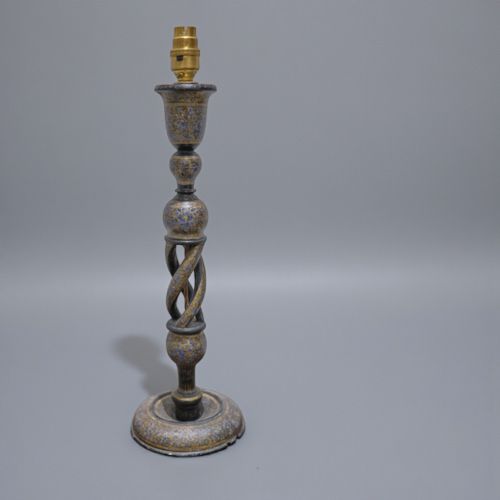
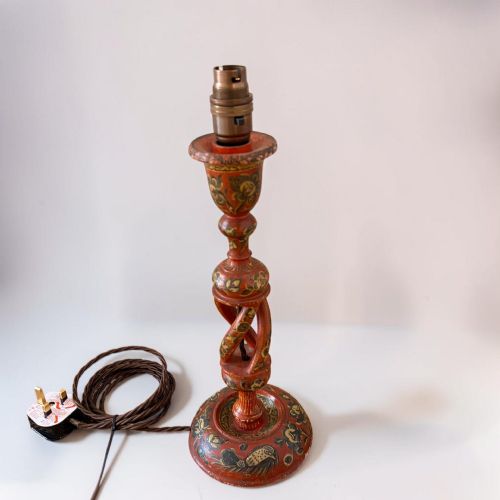
Indian Painted Table
An indian painted table brings vibrant colour and intricate folk artistry into a room, offering a functional surface steeped in decorative heritage.
Indian Painted Table
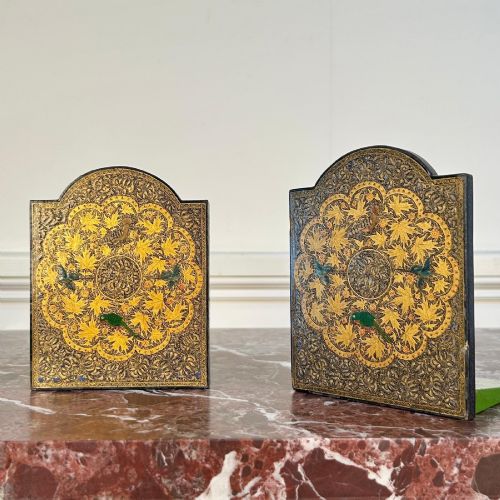
An indian painted table encompasses various decorative surfaces originating primarily from Kashmiri and Anglo-Indian traditions, spanning from the late nineteenth century into the twentieth century. These pieces showcase detailed brushwork on wood, lacquer, or papier-mâché, often reflecting traditional motifs and folk art styles.
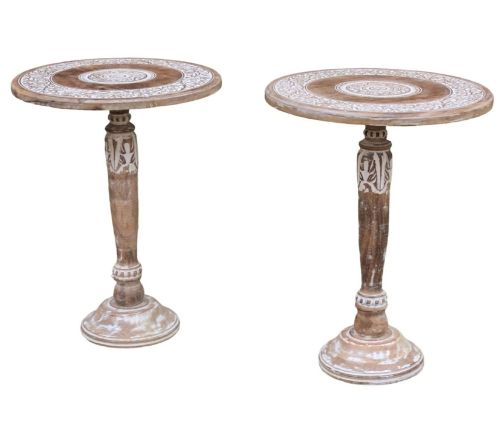
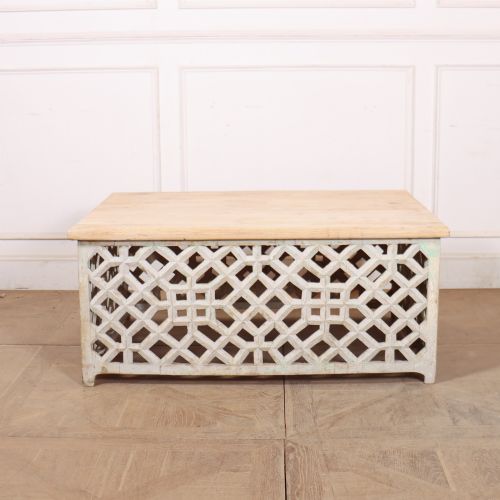
Side tables and coffee tables form the core of the tabletop selections, alongside related items such as pedestal tables and folding designs. Buyers frequently encounter pieces finished in bright red lacquer or gilt gold and green palettes.
The aesthetic bridges domestic utility with elaborate ornamentation, making each table a distinct focal point. They fit naturally into eclectic interiors that favour texture, pattern, and global craftsmanship.
How they were made
Makers utilised carved wood, papier-mâché, and lacquer as foundational materials, shaping them into functional furniture and decorative objects. Wood surfaces provided a stable base for detailed pigments, while lacquer and papier-mâché allowed for smooth, highly ornamented finishes.
Artisans applied hand-mixed paints directly onto the prepared substrates, creating intricate floral and geometric patterns typical of Kashmiri and Indian folk art traditions. Guilds and regional workshops often incorporated gilt highlights to accentuate the depth of the painted motifs.
Indian Painted Table Retail Price Guide 2026
Typical asking prices for indian painted table among the pieces listed under this phrase on Sellingantiques today, from the lower quarter to the upper quarter. They describe what is for sale here now, not the wider market.
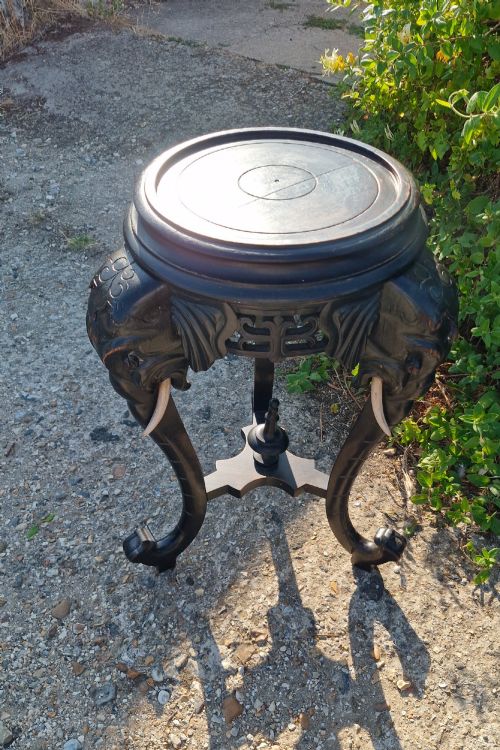
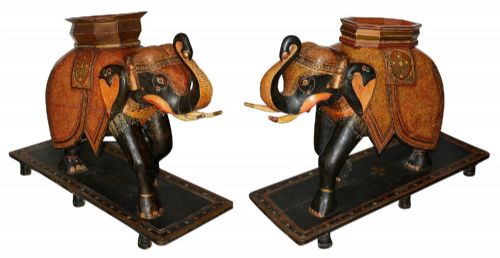
Several items push the boundaries of furniture entirely, including an elephant table with painted wooden tusks and carved lacquer companions.
What varies in quality
The finesse of the brushwork largely determines the distinction between standard items and superior examples, with finer pieces exhibiting exceptional detail and precision in their painted surfaces. The complexity of the underlying carving on wooden frames also contributes significantly to the overall craftsmanship.
Preservation of the original lacquer and pigment layers dictates the visual impact of the piece. Tables retaining their early polychrome decoration without extensive overpainting command greater appreciation among collectors.
The Indian Painted Table Glossary
- Anglo-Indian
- A style describing furniture and objects produced during the British period in India, often combining British furniture forms with traditional local craftsmanship and decoration.
- Kashmiri
- Pertaining to the Kashmir region, renowned for papier-mâché work, lacquerware, and intricately painted wooden objects featuring floral and botanical motifs.
- Lacquer
- A durable finish applied to wood or papier-mâché, built up in multiple layers and often polished or painted with decorative scenes.
- Papier-mâché
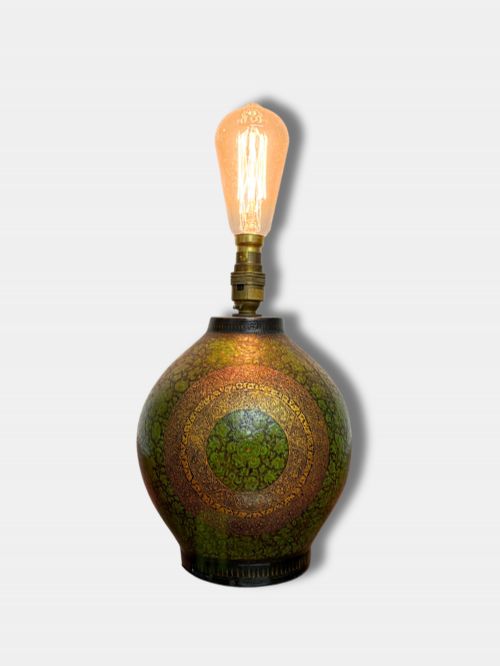
- A composite material made of paper pulp or reinforced paper layers, moulded into shapes like lamps and containers before being painted and sealed.
- Pedestal table
- A standalone table supported by a central pillar or column resting on a footed base, allowing for compact placement.
Indian Painted Table: Frequently Asked Questions
How do I clean an indian painted table?
Dust the surface gently with a dry, soft microfibre cloth to prevent any buildup of grime.
Avoid using water, chemical sprays, or abrasive cleaners, as these substances will damage delicate paint and lacquer finishes.
Are these tables suitable for daily use?
Most side tables and coffee tables handle light everyday placement of cups or books quite comfortably.
Protective coasters help shield fragile lacquer or painted surfaces from moisture and heat rings over time.
How do I identify a Kashmiri piece?
Look for dense floral patterns, often rendered in gilt gold, green, or red on wooden or papier-mâché bases.
Regional motifs typically feature intricate hand-painted leaf and vine designs characteristic of traditional northern workshops.
Can I place these tables in direct sunlight?
Intense sunlight causes natural pigments and lacquers to fade significantly over extended periods.
Positioning the table away from south-facing windows preserves the vibrancy of the original hand-painted details.