



Indian Hand Painted Lighting
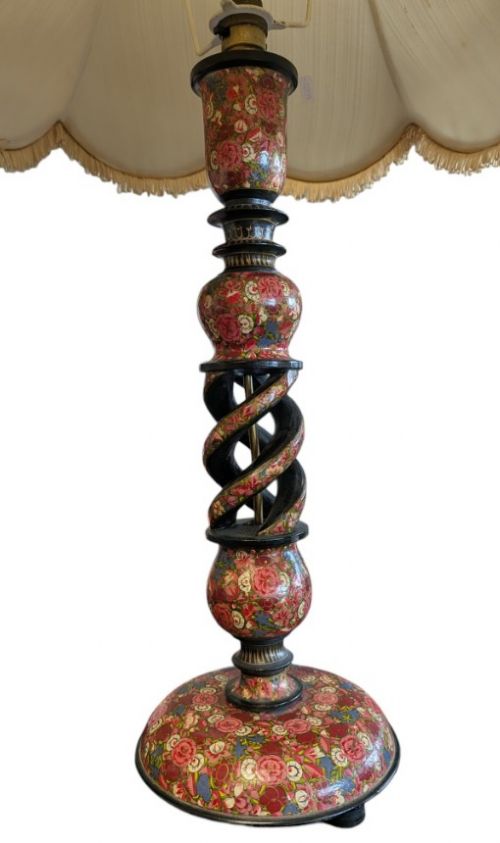
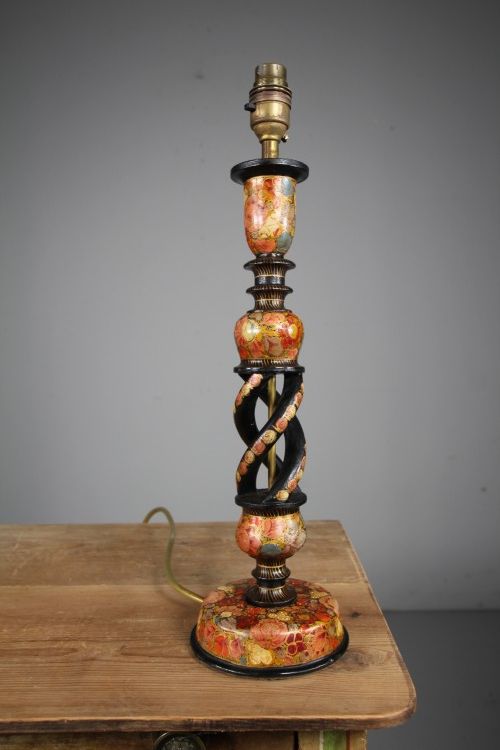
These Indian hand painted lighting pieces bring vivid floral patterns and rich gilt work into a room.
Indian Hand Painted Lighting
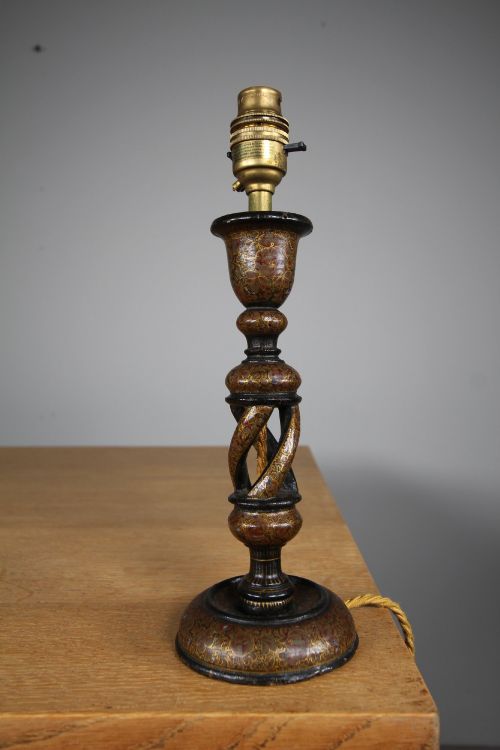
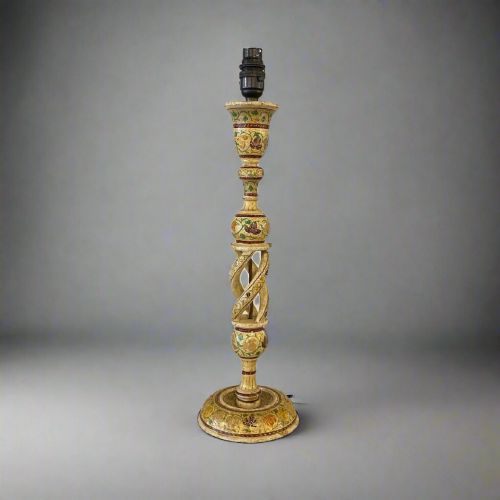
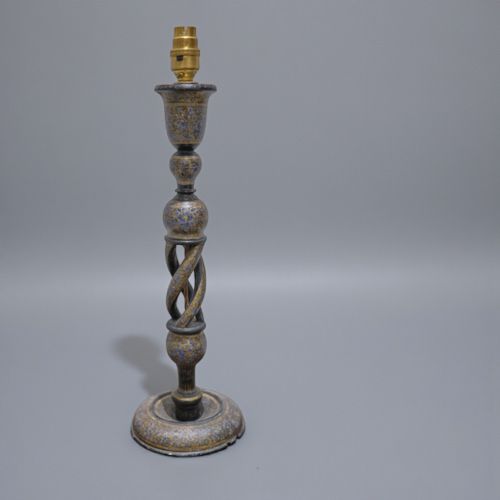
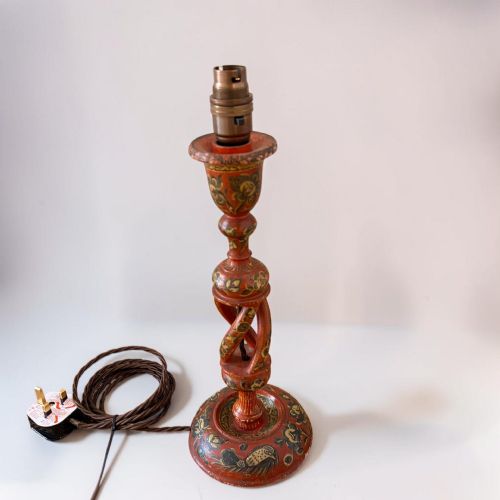
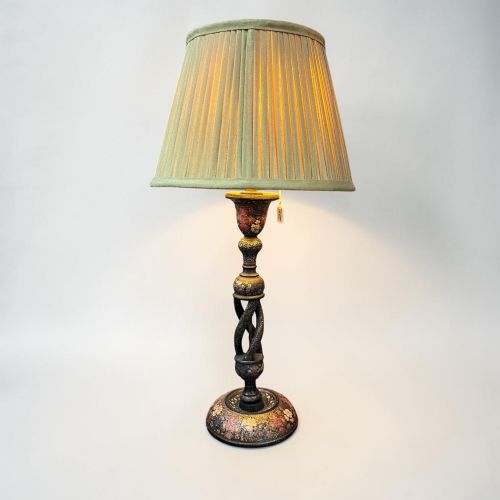
When you search for Indian hand painted lighting, you encounter table lamps created across the nineteenth and early twentieth centuries. These items predominantly hail from Kashmir, showcasing regional artistic traditions through distinct forms.
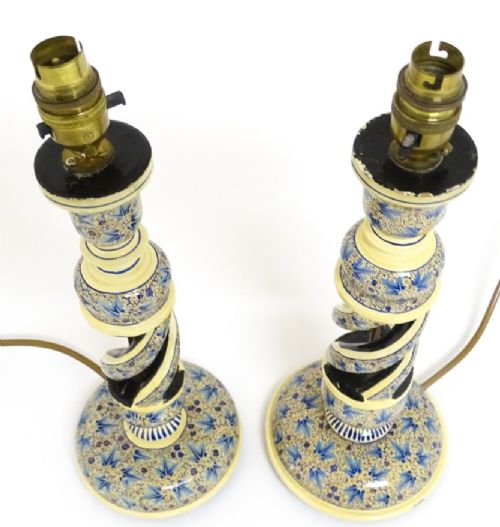
The standard format on this page is the table lamp, appearing in various heights from tall twist designs to enormous statement pieces. Most examples date from the nineteen-twenties and nineteen-thirties, reflecting a period of distinct craftsmanship.
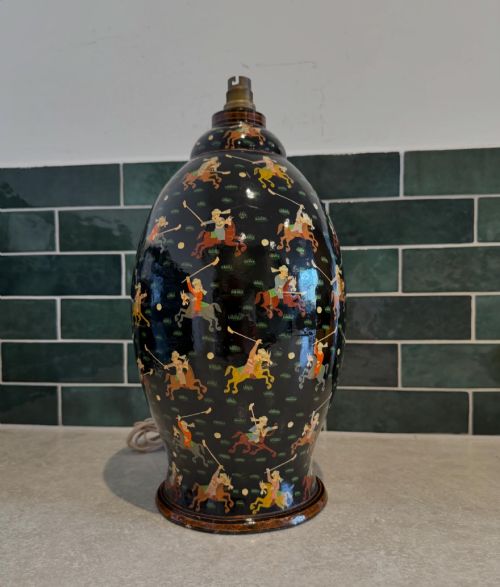
Anglo-Indian and Kashmiri folk art styles dominate the selection, bringing vibrant colour palettes into domestic interiors. These decorative objects combine utility with traditional hand-painted ornamentation.
How they were made
Artisans built these bodies using lacquered wood, carved wood, and papier-mache, shaping materials by hand before applying decorative schemes. Papier-mache construction offered a lightweight yet durable base for intricate surface painting.
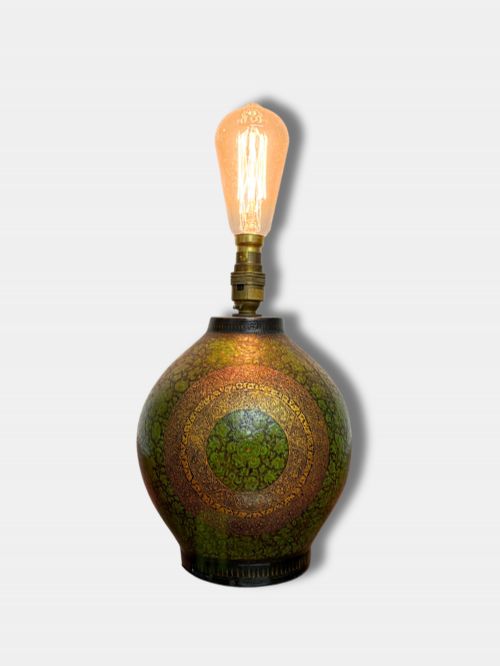
Makers applied gilt gold, green pigments, and detailed lacquering directly onto the wooden or papier-mache surfaces to create rich floral motifs. Brass components often served as structural hardware and lamp holders to complete the assembly.
Indian Hand Painted Lighting Retail Price Guide 2026
Typical asking prices for indian hand painted lighting among the pieces listed under this phrase on Sellingantiques today, from the lower quarter to the upper quarter. They describe what is for sale here now, not the wider market.
Some twist table lamps from the nineteen-twenties appear delightfully eccentric, as if the wood itself decided to dance before the paint dried.
What varies in quality
The refinement of the hand-painted detailing dictates the visual success of each piece, distinguishing simple folk art from masterwork execution. Crisp lines in the gilt work and well-preserved lacquer signal superior craftsmanship.
Proportion and scale also separate standard table lamps from exceptional tall or enormous examples. The integrity of the underlying papier-mache or carved wood determines the physical substance of the object.
The Indian Hand Painted Lighting Glossary
- Papier-mache
- A composite material consisting of paper pieces or pulp, sometimes reinforced with textiles, bound with glue or paste. In Kashmiri pieces, this medium provides a smooth canvas for detailed hand painting.
- Kashmiri folk art
- Decorative styles originating from the Kashmir region, characterised by vibrant floral and leaf motifs. This aesthetic defines the surface ornamentation on the majority of these lamps.
- Anglo-Indian
- A design style blending British functional forms with traditional Indian decorative arts. Pieces in this category reflect the cultural exchange of the colonial period.
- Lacquered wood
- Timber treated with a protective and decorative resin coating that dries to a hard, durable finish. This technique preserves the underlying paintwork and imparts a subtle sheen.
Indian Hand Painted Lighting: Frequently Asked Questions
Are these lamps safe to use?
Many antique lamps require rewiring to meet modern electrical safety standards before daily use in a home. Professional testing ensures the internal wiring accommodates contemporary plugs and bulbs safely.
Consulting a qualified electrician allows you to preserve the original body while updating the functional components.
How do I clean papier-mache lamps?
Dust these delicate surfaces gently with a soft, dry cloth to prevent damage to the aged lacquer and paint. Avoid using liquid cleaners or abrasive materials that might strip the gilt work.
Keeping the lamps away from direct sunlight and excessive moisture protects the historic pigments over time.
What periods do these pieces span?
The available lighting spans from the nineteenth century through the early twentieth century, with a concentration of examples from the nineteen-twenties and nineteen-thirties. Each era brings subtle shifts in scale and decorative intensity.
Dating relies on stylistic markers, material composition, and traditional construction methods typical of these decades.
Where were these lamps made?
These items originate from Kashmir, a region renowned for distinct papier-mache and wood-turning traditions. Local artisans executed the intricate hand painting that characterises each piece.
The regional workshops produced items influenced by both indigenous folk art and broader Anglo-Indian tastes.