



Indian Decorative Art
Indian decorative art brings together vibrant painted architectural salvage, temple textiles and traditional metalwork spanning the nineteenth and early twentieth centuries.
Indian Decorative Art
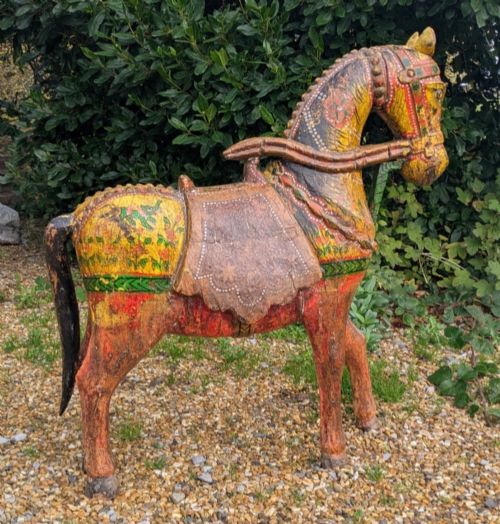
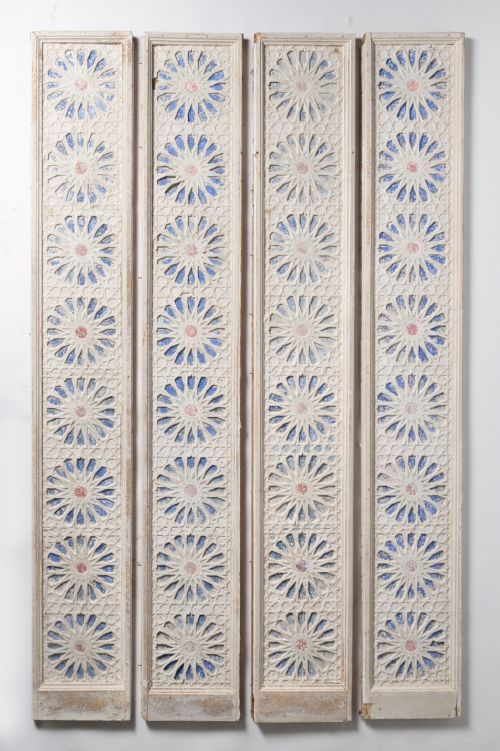
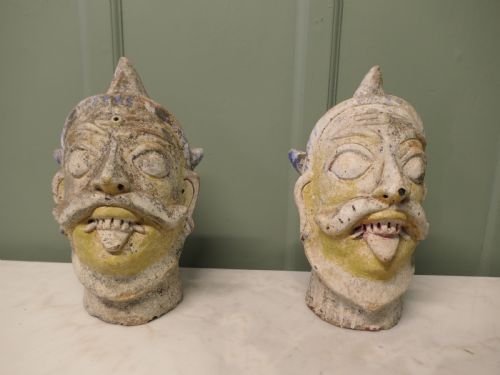
Indian decorative art encompasses a diverse range of objects, from nineteenth century architectural salvage and tent pole tops to temple paintings and textile wall hangings. Pieces crossing the desk often display rich painted surfaces, intricate carvings and traditional narratives drawn from regional craftsmanship.
The selections available lean heavily towards framed artwork, painted wooden doors, and decorative vessels executed in terracotta, bronze and brass. Buyers gravitate towards these items for their strong visual presence and authentic historical character.
Materials and construction methods
Makers utilised native hardwoods, iron, terracotta and bronze, frequently pairing them with hand-applied pigments, gouache and paper. Architectural elements and panels show robust carving techniques executed by hand, utilising traditional joinery and solid timber frames.
Textile wall art and temple paintings incorporate cotton fabrics treated with traditional dyes and detailed kalamkari work. Metal pieces such as chargers and plaques demonstrate skilled casting and surface finishing typical of nineteenth century workshops.
Indian Decorative Art Retail Price Guide 2026
Typical asking prices for indian decorative art among the pieces listed under this phrase on Sellingantiques today, from the lower quarter to the upper quarter. They describe what is for sale here now, not the wider market.
Listings feature traditional Indian Kalamkari textiles, Mughal gouache paintings, and nineteenth century architectural salvage in wood and terracotta.
Judging quality in the pieces
Quality rests upon the preservation of original painted surfaces and the clarity of hand-carved details on wood and terracotta. Superior examples retain their early pigments and structural integrity without heavy modern intervention.
Finer items demonstrate exceptional precision in manuscript gouache painting or textile illustration, where line work and narrative detail remain sharp. The depth of patination on metals and woods further distinguishes accomplished studio work from standard commercial output.
The Indian Decorative Art Glossary
- Kalamkari
- A traditional type of hand-painted or block-printed cotton textile produced in India. These pieces often depict elaborate narrative scenes from Hindu epics.
- Gouache
- An opaque watercolour medium used extensively in miniature and courtly paintings. It provides rich, flat areas of colour with matte finishes.
- Tent pole top
- Carved architectural finial or structural element originating from large traditional tents. They feature robust wooden or terracotta construction.
- Indo-Persian
- A stylistic crossover blending traditional Indian motifs with Persian artistic conventions. This aesthetic frequently appears in metalwork and decorative plaques.
- Charkra
- A traditional spinning wheel used for processing cotton and wool fibre. Examples often feature turned oak or native timber construction.
Indian Decorative Art: Frequently Asked Questions
What periods do these pieces date from?
The inventory spans the nineteenth century, the Edwardian era, and the early twentieth century. Most documented pieces cluster around the eighteen-fifties to the nineteen-thirties.
Items from this broad span reflect shifting regional styles, ranging from Mughal courtly paintings to folk art and architectural salvage.
How were painted wooden doors used?
Painted wooden doors served as functional architectural elements in traditional buildings before being repurposed as wall art. Their sturdy frames and original pigments showcase regional decorative schemes.
Displaying them indoors preserves the weathered surface patination and highlights the craftsmanship of the original carpenters and artists.
What materials are common in metalwork?
Metal items typically utilise bronze, brass, and iron, often shaped into large wall chargers, decorative plaques, and architectural finials. These metals display varying degrees of casting texture and patination.
Careful cleaning should be avoided to protect the historic surface oxidation built up over the centuries.
How do I identify temple paintings?
Temple paintings on cotton or fabric depict traditional Hindu stories and deities using natural pigments. They frequently feature detailed borders and narrative registers.
Framing these textiles behind glass protects the delicate cotton ground and pigments from environmental moisture and dust.