
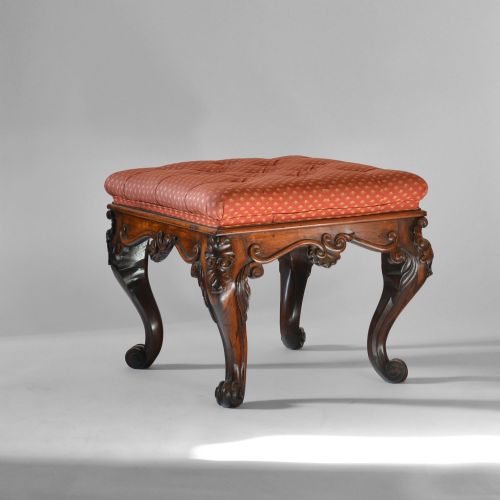
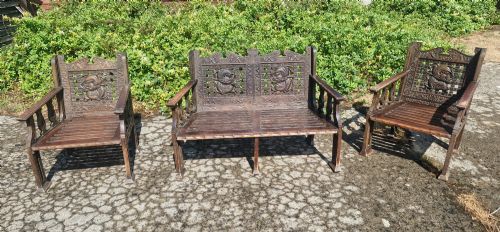
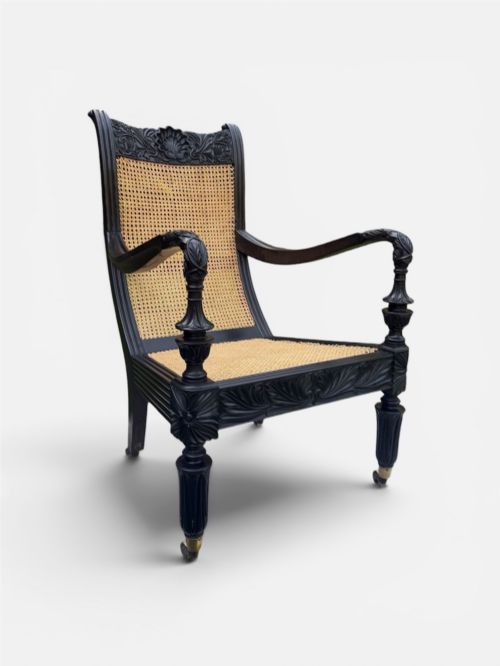
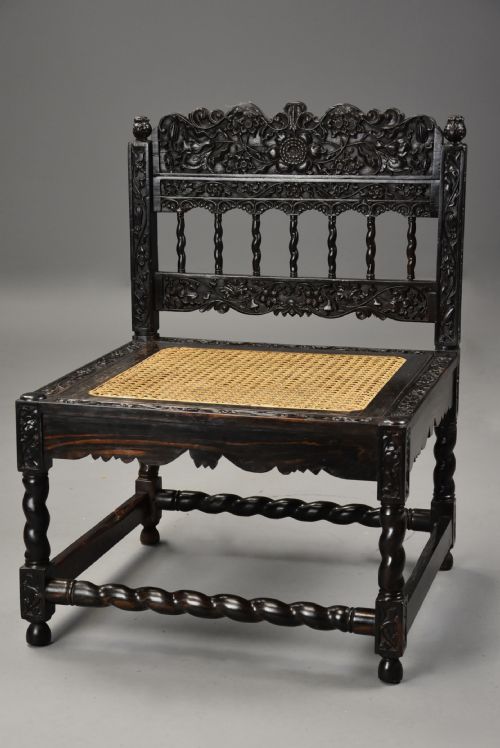


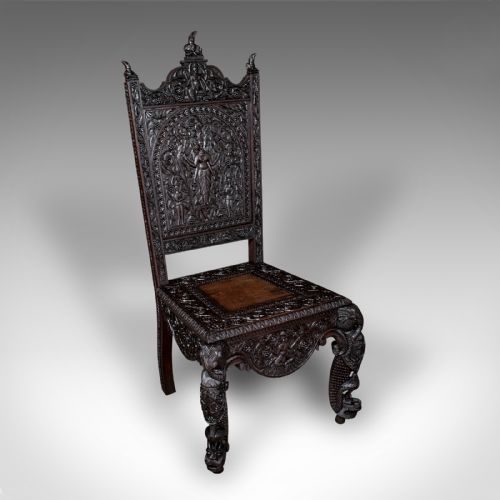


Indian Colonial Wooden Seat
An indian colonial wooden seat brings together local craftsmanship and British forms, offering robust seating with rich regional carving.
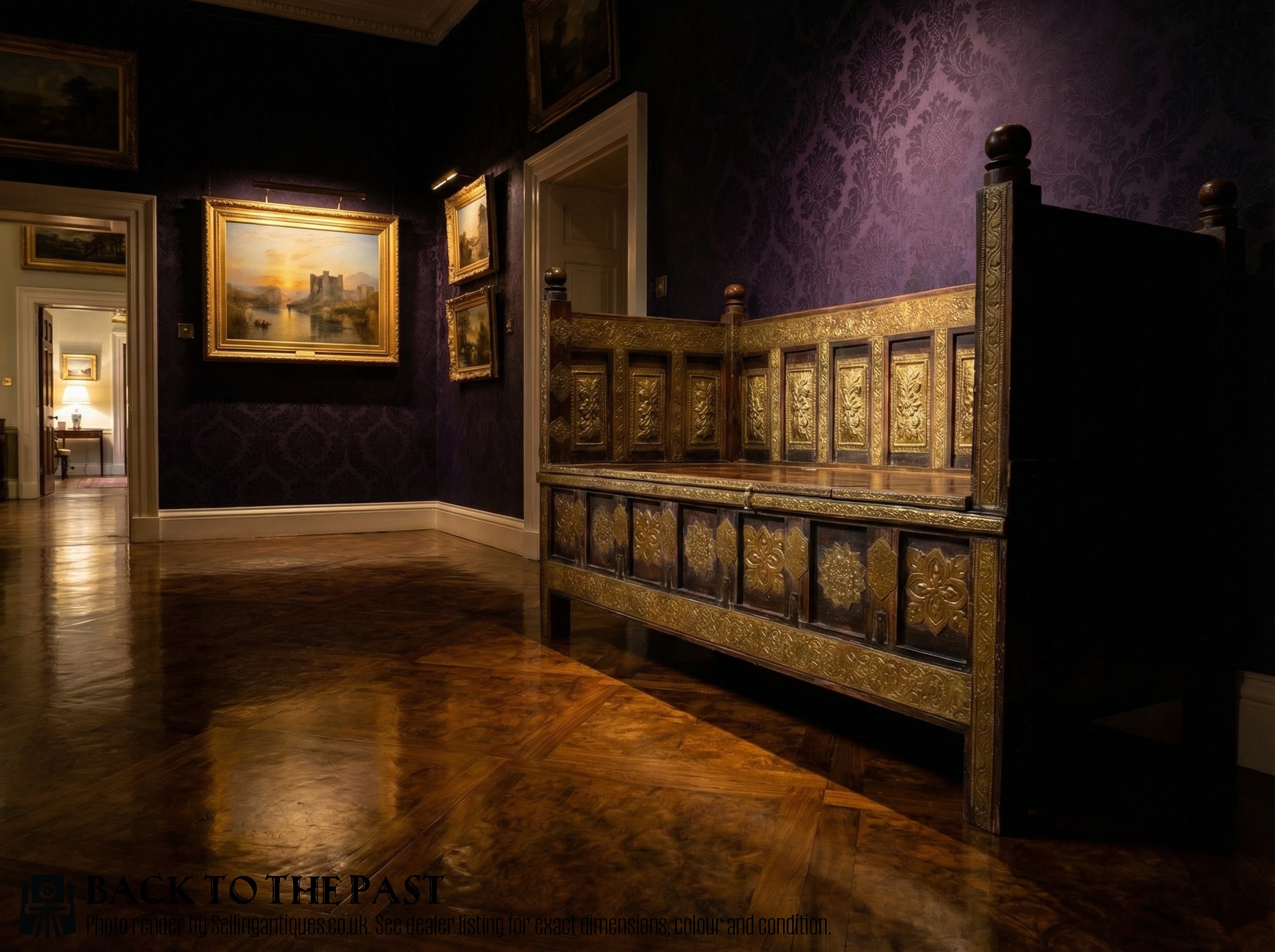
Indian Colonial Wooden Seat
When searching for an indian colonial wooden seat, buyers encounter a diverse range of historic seating including armchairs, side chairs, hall benches, and window seats originating from the nineteenth and early twentieth centuries. These forms reflect cross-cultural exchange, marrying European furniture patterns with the intricate carving traditions of the Indian subcontinent.
The selection frequently includes Anglo-Indian and Ceylonese examples alongside Burmese designs, encompassing single armchairs, folding chairs, and larger conservatory suites or hall benches. Many items incorporate traditional seating surfaces such as cane, rush, or ornate carved wood alongside upholstered elements.
Stylistic descriptors span Victorian colonial, Anglo-Indian Regency, and Indo-Portuguese influences, demonstrating how regional workshops adapted British domestic requirements to local aesthetic standards and available materials over successive decades.
How they were made
Construction relies heavily on dense tropical timbers such as teak, solid ebony, rosewood, and general hardwood, chosen for their durability in challenging climates. Artisans employed traditional joinery techniques to frame these heavy woods, often integrating turned components and complex structural supports.
Several armchairs and benches feature small carved elephants standing guard beneath the armrests or along the base.
What varies in quality
The distinction between standard examples and the finest pieces rests upon the crispness, depth, and ambition of the hand carving, particularly on prominent crest rails and chair backs. Master carvers produced deeply undercut relief work with distinct botanical or figural details, whereas lesser items display shallower, more repetitive incisions.
Material selection and structural integrity also govern overall merit, with dense timbers like solid ebony or finely figured rosewood and teak commanding higher regard. The complexity of the form - such as an elbow chair with scroll backs or an elaborate bench with figural supports - further separates utilitarian seating from exceptional workshop production.
The Indian Colonial Wooden Seat Glossary
- Anglo-Indian
- Furniture made in India during the British period, combining British forms with local decorative techniques. These pieces often feature dense carving executed in native hardwoods.
- Cane
- Woven material made from the outer skin of rattan palms, commonly utilised for chair seats and backs. It provides a resilient and breathable surface suited to warmer climates.
- Rush
- Pliable marsh plant material used for weaving traditional chair seats. It offers a textured, fibrous surface seen on specific regional forms.
- Settle
- A wooden bench featuring a high back, solid arms, and often a storage compartment beneath the seat. This form provides draught-proof seating in hallways or living spaces.
- Consolidation
- Conservation work that secures loose joints and fragile wood without removing historical patina. It maintains structural stability for everyday use.
Indian Colonial Wooden Seat: Frequently Asked Questions
How do I care for a wooden seat?
Maintain the wood by applying occasional microcrystalline wax to nourish the grain and prevent drying out. Keep the seating away from direct heat sources and strong sunlight to protect the finish.
For woven elements like cane or rush, dust gently with a soft brush and avoid excessive moisture. Periodically check joints for stability and avoid placing heavy loads on delicate historic frameworks.
Were these seats used indoors?
Many of these pieces were originally constructed for use on deep verandas or in expansive colonial bungalows, designed to withstand warm climates. Their robust construction made them equally suitable for large hallways, conservatories, and principal living rooms.
Today, they function well in entrance halls, studies, or as accent seating in reception rooms. Their distinctive carving and timber tones allow them to anchor modern or traditional interior schemes.
What is a Raj period piece?
A Raj period piece refers to furniture and decorative objects made during British rule in India, spanning from the mid-nineteenth century onwards. These items reflect the direct administrative and cultural intersection between Britain and the subcontinent.
They demonstrate how local craftsmen responded to European aesthetic demands while retaining traditional indigenous woodworking skills. This category encompasses everything from study figures to large veranda benches.