



Incabloc Watch
An incabloc watch is a mid-century timepiece fitted with a patented shock-protection system designed to safeguard the delicate balance staff.
Incabloc Watch
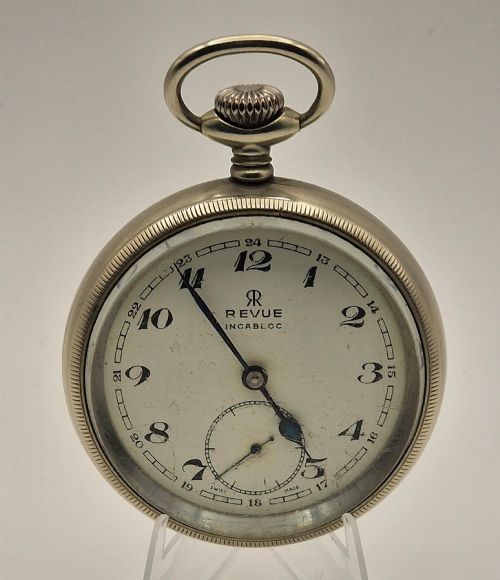
An incabloc watch represents mid-century horology, spanning the 1950s and 1960s with a focus on mechanical reliability. Buyers searching for an incabloc watch encounter both robust wristwatches and functional pocket watches from this era.
The wristwatches dominate the selection, appearing in civilian styles alongside military-issued pieces such as Swedish city army watches and British Railways pocket watches. These items showcase the practical engineering standards of the mid-twentieth century.
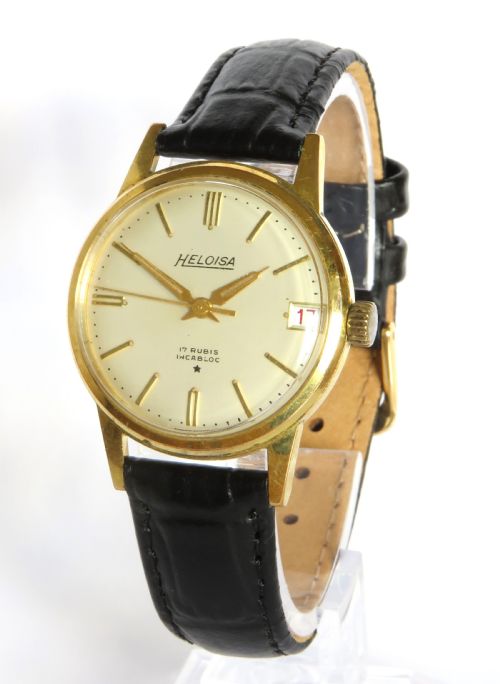
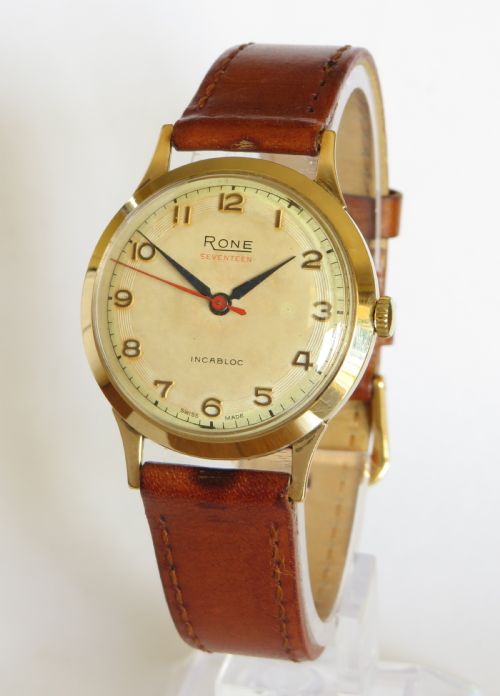
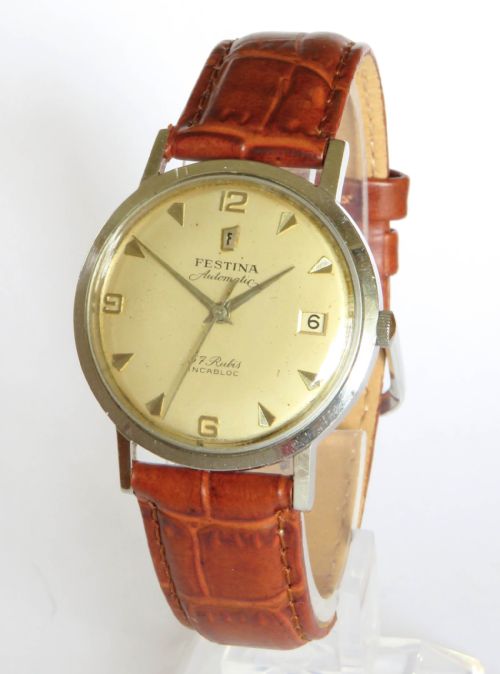
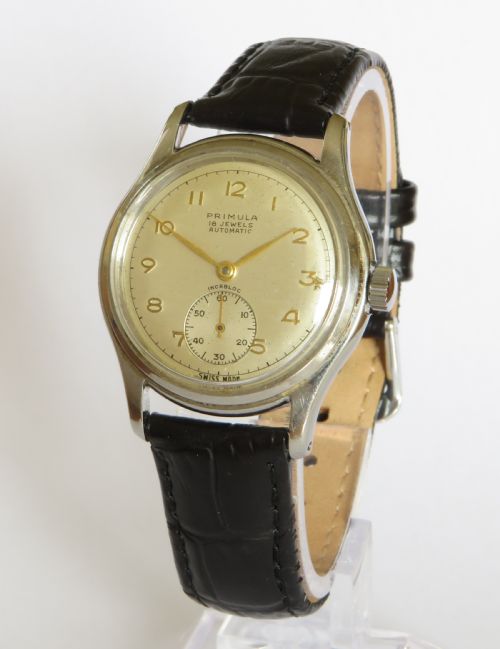
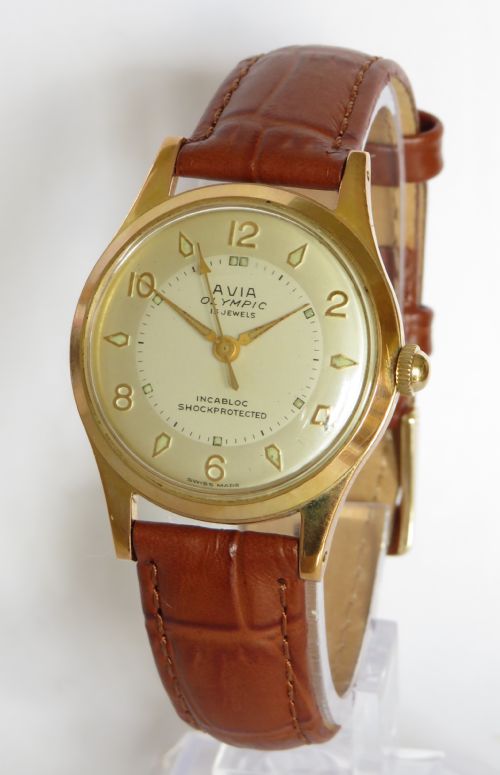
Makers and brands appearing in this category include Heloisa, Rone, Festina, Primula, Avia, Ensign, Lanco, Chronographe Suisse, and the military contractors behind the 3 Crowns designation. Each piece utilises the shock-resistant spring mounting that defines the mechanism.
Materials and construction
Cases combine stainless steel, gold plate, nickel, and solid 9ct gold, housing mechanical movements beneath glass or acrylic crystals. Dials are paired with leather straps for wristwatches or metal chains for pocket watches.
The defining technological feature is the Incabloc shock absorber, a spring-loaded suspension system for the balance wheel pivots. This innovation protects the most vulnerable part of the movement against accidental drops and impacts.
Incabloc Watch Retail Price Guide 2026
Typical asking prices for incabloc watch among the pieces listed under this phrase on Sellingantiques today, from the lower quarter to the upper quarter. They describe what is for sale here now, not the wider market.
Railway timekeeping demands precision; the British Railways pocket watch kept station staff strictly on schedule across the Western region.
Judging quality in mid-century timepieces
Quality rests primarily on the specification of the case material and the complexity of the movement. Solid 9ct gold or specialised military specification pieces occupy the upper tier, whereas standard plated and steel civilian models form the broader everyday range.
The precision of the dial printing, the integrity of the acrylic or glass crystal, and the original condition of hands and markers distinguish fine examples. Chronograph complications and automatic winding mechanisms add further mechanical sophistication.
Heloisa·Rone·Festina·Primula·Avia·Ensign·Lanco·Chronographe Suisse
The Incabloc Watch Glossary
- Incabloc
- A brand name for a spring-loaded shock absorption system invented in the early 1930s. It protects the balance staff pivots from damage if the watch is dropped.
- Balance staff
- The small axis supporting the balance wheel in a mechanical watch movement. It is the most delicate component and benefits directly from shock protection.
- Acrylic
- A lightweight synthetic material commonly used for watch crystals during the mid-century period. It can be easily polished to remove minor surface scratches.
- Chronograph
- A watch equipped with a stopwatch function alongside the standard time-displaying hands. Such movements require intricate gear trains to operate independently.
Incabloc Watch: Frequently Asked Questions
What does incabloc mean on a watch?
The term indicates that the movement uses a patented spring-mounted bearing to protect the balance wheel axle from shock. This innovation became standard across many mechanical watches produced in the middle decades of the twentieth century.
Buyers often find this word printed directly on the dial, serving as a marker of improved durability for daily wear.
How do I date an incabloc watch?
Dating relies on stylistic clues such as dial typography, case geometry, and movement design characteristics typical of the 1950s and 1960s. Military-issued pieces often carry specific reference numbers or government markings on the case back.
Comparing the maker and the presence of automatic or manual wind movements helps narrow down the decade of production.
Are these watches mechanical or quartz?
Every piece from this era relies entirely on mechanical gears, mainsprings, and escapements rather than electronic quartz technology. They require regular manual winding or motion from the wrist to keep time.
This traditional craftsmanship appeals to collectors who appreciate visible moving parts and historical horology.
Can I wear a vintage incabloc watch daily?
These timepieces were built for everyday utility, and the shock-absorbing system makes them more resilient than older antique watches. However, they lack modern water resistance and require gentle handling.
Routine servicing by a professional watchmaker ensures the internal mechanical parts continue to run reliably.