





Impressionist Snow Scene
An impressionist snow scene captures winter light on canvas and paper, offering buyers a subtle atmospheric study of frost and cold weather.
Impressionist Snow Scene
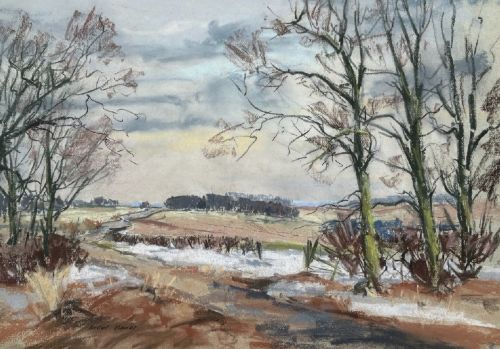
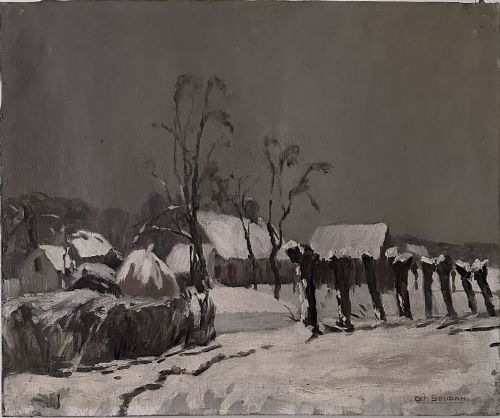
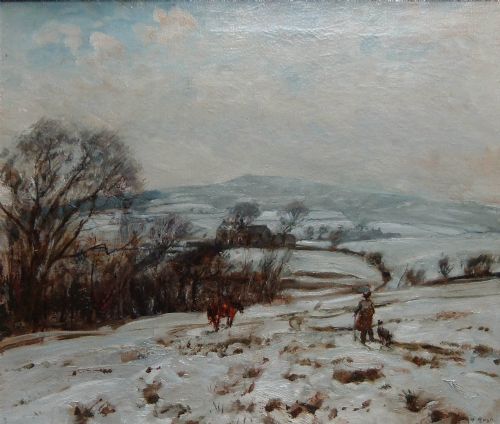
An impressionist snow scene captures winter light through loose brushwork and distinct colour palettes, focusing on the atmosphere of a cold day rather than strict topographical detail. These works emerge from several decades, spanning the early decades of the twentieth century up to the mid-century period.
Buyers will encounter various formats on this page, including traditional oil paintings on canvas and board alongside works on paper. Subjects range from Yorkshire dales and East Yorkshire wolds to French village views and Canadian winter landscapes.
The British Impressionism and French School styles dominate the selection, showing how different artists interpreted the challenges of painting white snow against grey skies and dark woodlands.
Materials and methods
Artists built these compositions using oil paint on canvas or wooden boards, applying pigment thickly to capture the texture of drifted snow and frozen ground. Some works employ pastel or watercolour and gouache on paper to achieve lighter, more translucent effects.
Support materials often include gesso preparation on wooden panels or stretched canvas, providing a stable foundation for varied brush techniques. Frames frequently incorporate wood and gesso moulding suited to the period of the artwork.
Impressionist Snow Scene Retail Price Guide 2026
Typical asking prices for impressionist snow scene among the pieces listed under this phrase on Sellingantiques today, from the lower quarter to the upper quarter. They describe what is for sale here now, not the wider market.
Several artists braved freezing northern dales and Montmartre gales simply to catch the exact shade of blue in a snow shadow.
Distinguishing quality in winter paintings
Quality rests upon the artist's ability to render the specific temperature of winter light using varied tones rather than pure white. Stronger works manage shadows with blues, purples, and greys that give depth to snowdrifts and frozen fields.
The handling of the medium distinguishes accomplished pieces from simpler decorative works, particularly in how brushstrokes or pastel marks suggest movement in falling snow or stillness in bare trees.
Angus Rands·Gaston Cornil·Herbert Royle·Ernest Higgins Rigg·William Cave Day
The Impressionist Snow Scene Glossary
- Gesso
- A plaster-like mixture applied to canvas or wood panels to prepare a smooth surface for painting. It provides a durable base for both oil and water-based mediums.
- Gouache
- An opaque water-based paint that produces a heavier, more solid layer of colour than traditional watercolour. Artists often combine it with watercolour for highlights in winter scenes.
- Pastel
- A dry medium made of powdered pigment and a binder, shaped into sticks for drawing. It allows for immediate colour application and soft blending.
- British Impressionism
- A painting movement that adopted French techniques of loose brushwork and plein air observation within British landscapes. It flourished from the late nineteenth century onwards.
Impressionist Snow Scene: Frequently Asked Questions
What periods do these snow scenes cover?
The available selection spans several decades of the twentieth century, primarily drawing from the nineteen-tens, twenties, thirties, and fifties. These periods reflect active movements in British and French painting.
Artists during these years embraced varied approaches to landscape, recording rural valleys and urban winter streets with distinct regional character.
How should I care for an oil painting on board?
Keep the artwork away from direct sunlight and areas subject to sudden humidity changes. Stable indoor temperatures protect both the wooden support and the oil paint layer.
Dust the surface gently with a soft, dry brush and avoid using liquid cleaners on the painted area or the frame.
What materials are used in these works?
Painters utilised oil paint on canvas or wooden board, while others worked in pastel or combined watercolour and gouache on paper. These materials determine the texture and finish of each individual piece.
Frames typically consist of wood, sometimes finished with gesso moulding to complement the period style of the artwork.
Where do these winter landscape scenes originate?
The collection includes pieces from British locations such as Yorkshire dales and the East Yorkshire wolds, alongside French village views and Canadian winter scenery. Regional lighting and local topography shaped how each artist approached the subject.
This geographical variety allows collectors to focus on specific regional schools or international impressionist traditions.