




Impressionist Rural Scene
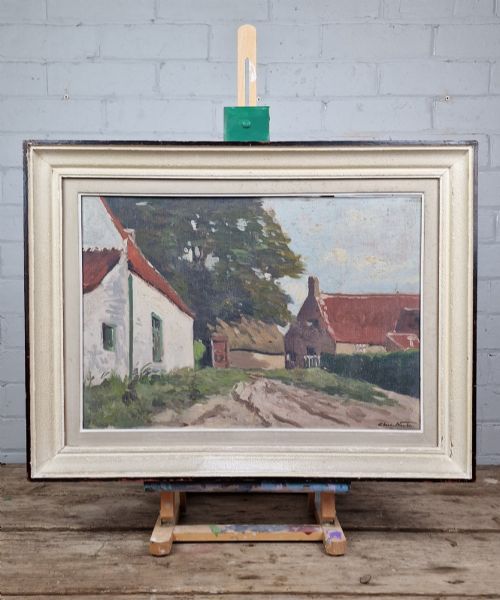
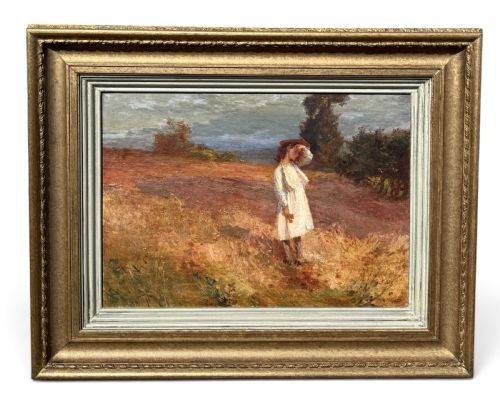
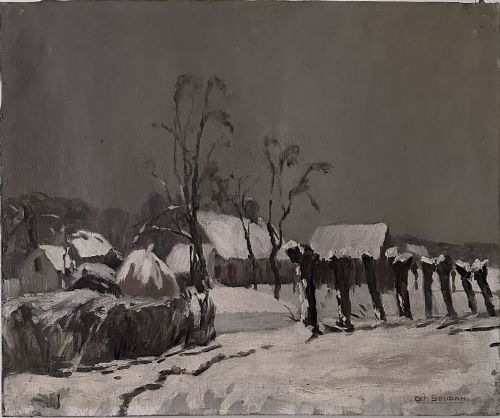
Impressionist rural scene works capture the changing light of the countryside using loose brushwork, originating mainly from the nineteenth and twentieth centuries.
Impressionist Rural Scene
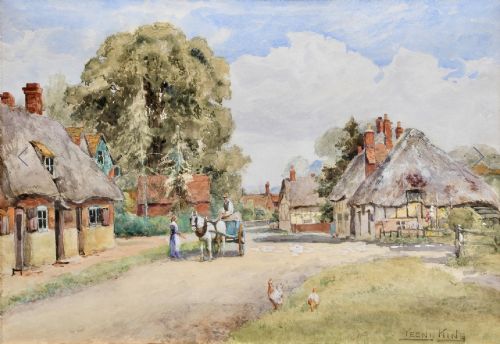
An impressionist rural scene typically depicts open fields, farmyards, riversides and agricultural labour set within rural communities. These works record subjects such as haymaking, sheep grazing, horse-drawn carts and village farmsteads during the nineteenth and twentieth centuries.
The versions most commonly met on this page include oil paintings on canvas or board, alongside watercolours and pastel drawings. They span British, French, Belgian and Italian regional approaches to landscape painting.
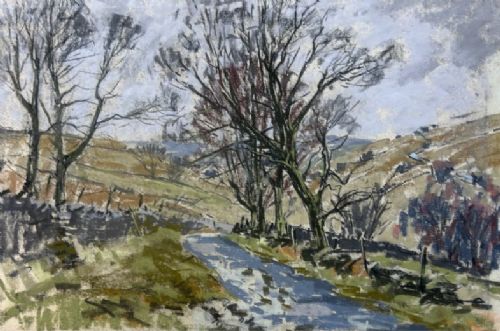
Collectors encounter provincial farm scenes, northern English moorland views and pastoral watercolours carrying the loose, expressive brushwork characteristic of the impressionist and post-impressionist movements.
How they were made
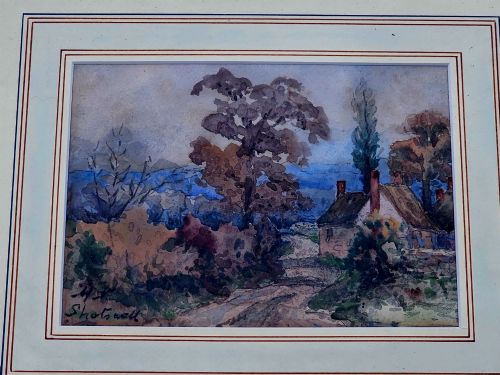
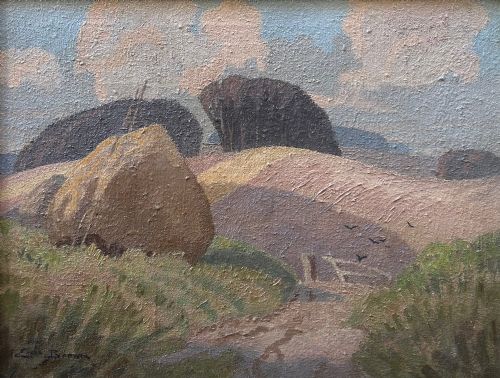
Artists painted primarily with oil paint on stretched canvas, wood panels or boards, building up textured surfaces through direct application. Watercolours on paper also appear, utilising fluid washes to render atmospheric light.
Makers employed visible, rapid brushstrokes to capture fleeting effects of weather and sunlight outdoors, often working directly from nature in rural settings. Supports range from simple wooden panels to fine canvases enclosed within period frames.
Impressionist Rural Scene Retail Price Guide 2026
Typical asking prices for impressionist rural scene among the pieces listed under this phrase on Sellingantiques today, from the lower quarter to the upper quarter. They describe what is for sale here now, not the wider market.
Listings feature works from the nineteenth century through the nineteen-sixties, executed in oil paint, watercolour and pastel.
What varies in quality
The handling of light and atmospheric depth distinguishes accomplished works from simpler decorative pieces. Stronger compositions demonstrate a sure command of tone, where pigment application successfully conveys the movement of clouds, water and foliage.
The distinction lies in the artist's ability to render the specific atmosphere of a rural location rather than a generic landscape. Evidence of direct observation and confident draughtsmanship separates standard regional works from finer examples.
Hugh Barry Scott·Charles Houben·Umberto Volpato·Raimond Louis Lecourt·Herbert Royle·Ernest Higgins Rigg·Owen Bowen·Ernest Pile Bucknall·Willem Anton Alexander Knip·William Greaves·William Grant Murray·James William Booth·George Soper·Florence Hess·Lorenzo Headley·Helmut Reuter·Arthur Winter Shaw·Robert Russell MacNee·Robert Gemmell Hutchinson·W Tatton Winter
The Impressionist Rural Scene Glossary
- Impressionism
- A nineteenth-century painting style focused on capturing the visual impression of a moment, particularly shifting light and natural colours. It relies on unblended brushstrokes and plein air observation.
- Post-Impressionism
- An artistic movement following impressionism that extends its use of vivid colours and thick paint while exploring structural form and expressive content. Works often emphasise bold outlines and simplified geometric shapes.
- Oil on Canvas
- A traditional painting medium where oil-based pigments are applied to a woven fabric support stretched over a wooden frame. This combination allows for rich textures and slow drying times.
- Watercolour
- A painting method where coloured pigments are suspended in a water-soluble binder, typically applied to paper. It produces translucent washes that capture delicate atmospheric effects.
Impressionist Rural Scene: Frequently Asked Questions
What is an impressionist rural scene?
An impressionist rural scene is a painting or drawing depicting agricultural life, countryside vistas and farm buildings using loose, expressive brushwork. These artworks focus on natural light and atmospheric conditions in rural settings.
Created primarily during the nineteenth and twentieth centuries, these works document traditional farming practices, working horses and pastoral landscapes across Britain and continental Europe.
How do I date an impressionist rural painting?
Dating these artworks involves examining the artist's active period, the style of the frame, and the materials used for the canvas or panel. Many works bear signatures, dates or exhibition labels on the reverse.
Clothing styles of figures depicted, agricultural machinery shown, and regional recording methods also help narrow down the decade of creation between the Victorian era and the mid-twentieth century.
How were these landscape artworks framed?
Framing typically consists of moulded wood, often gilt or painted, chosen to complement the tonal palette of the specific oil painting or watercolour. Many pieces retain their original period frames.
The style of the moulding often reflects the decade in which the artwork was produced, ranging from heavy nineteenth-century Victorian frames to simpler profiles from the mid-twentieth century.
How do I care for antique oil paintings?
Antique oil paintings require stable indoor humidity and shelter from direct sunlight to prevent canvas degradation and pigment fading. Dusting should be done gently with a soft, dry brush without applying pressure.
Keeping paintings away from heat sources protects the wooden stretcher frames and prevents the oil paint layer from cracking or developing surface tension over time.