



Impressionist Garden Canvas
Impressionist garden canvas paintings capture light and atmosphere through textured brushwork on fabric, bringing quiet domestic retreats into your home.
Impressionist Garden Canvas
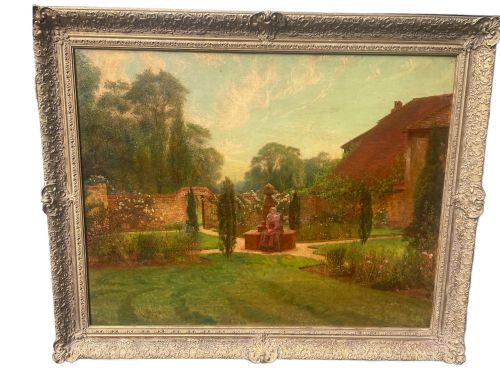
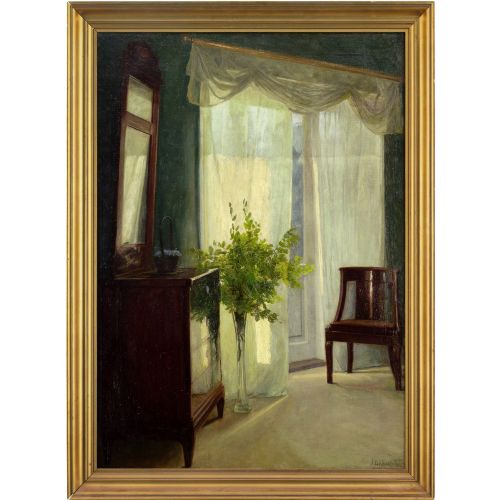
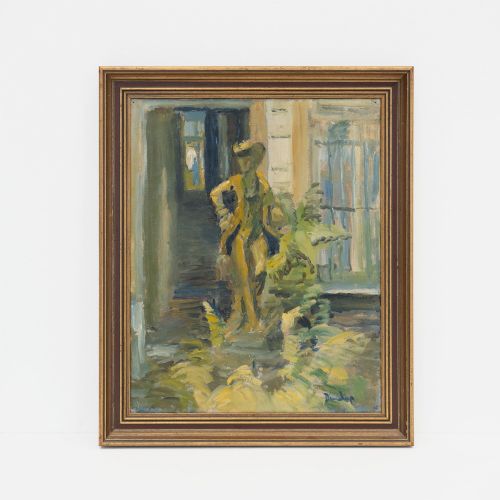
An impressionist garden canvas focuses on outdoor scenes, capturing sunlight, foliage, and domestic flora through loose brushwork rather than rigid detail.
You will encounter pieces originating from the nineteenth century through the middle of the twentieth century, reflecting British, French, and Scandinavian artistic movements.
Common compositions range from quiet courtyards and figures among flower beds to sunlit pathways and water lilies upon a lake.
Materials and construction
Artists apply oil paint directly onto stretched fabric supports, often building up thick passages of pigment to create tactile texture.
Many works are housed within wooden frames finished with gilt or plaster ornament, adding architectural weight to the painted surface.
Impressionist Garden Canvas Retail Price Guide 2026
Typical asking prices for impressionist garden canvas among the pieces listed under this phrase on Sellingantiques today, from the lower quarter to the upper quarter. They describe what is for sale here now, not the wider market.
Several canvases capture domestic gardeners tending quiet lawns, preserving forgotten nineteenth-century flowerbeds in thick layers of oil paint.
Distinguishing quality in the work
Superior execution relies on the artist's handling of natural light and tonal harmony, where loose brushstrokes successfully convey the shimmer of outdoor air.
The sensitivity of the composition and the strength of the provenance distinguish standard topographical views from works by recognised regional and continental schools.
John Lübschitz·Ronald Ossory Dunlop·Ernest Higgins Rigg·Kershaw Schofield·Charles E Cundall·John Henry Inskip·Herbert Royle·Edgar Bundy·Hermoine Hammond·William Greaves·Fred Merriman
The Impressionist Garden Canvas Glossary
- Canvas
- A heavy woven fabric stretched across a wooden frame to serve as a stable painting support. It provides a slightly textured ground that holds thick layers of oil pigment.
- Oil paint
- A slow-drying medium made by combining pigments with drying oils such as linseed. This medium allows artists to blend colours smoothly or layer them for rich impasto effects.
- Gilt
- A thin layer of gold leaf or gold paint applied to wooden frames. It enhances the visual warmth of the surrounding artwork.
- Impressionism
- A nineteenth-century painting style characterised by relatively small, thin, yet visible brush strokes and an emphasis on accurate depiction of light.
Impressionist Garden Canvas: Frequently Asked Questions
What is an impressionist garden canvas?
These works are oil paintings on stretched fabric that depict outdoor flora, domestic gardens, and figures in natural light. They stem from various European movements spanning the late nineteenth to the mid-twentieth century.
Collectors prize them for their atmospheric treatment of light and colour, capturing transient moments in domestic landscapes.
How should I hang a canvas?
Display these paintings away from direct sunlight and excessive moisture to protect the oil pigments and the wooden stretcher frames. Ensure the wall fixings match the weight of both the painting and its frame.
Proper placement enhances the room's lighting while keeping the fabric stable over decades of display.
How do I identify the period?
Examine the materials of the stretcher frame, the weave of the fabric, and the style of the brushwork. Nineteenth-century works often show denser canvas weaves and darker preparatory layers compared to mid-century pieces.
Signatures, artist stamps, and framing styles also provide reliable clues to the exact decade of creation.
Are these works signed?
Many examples bear the artist's signature or monogram, typically placed in a lower corner. Unsigned pieces are often attributed to specific regional schools based on technique and subject matter.
Documentation on the reverse of the frame sometimes records the title, artist name, and exhibition history.