

Impressionist Flowers
Impressionist flowers capture vibrant botanical scenes through loose, expressive brushwork on canvas or board.
Impressionist Flowers
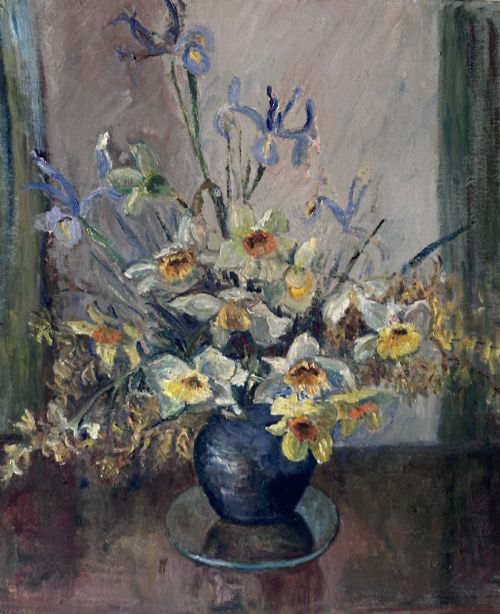
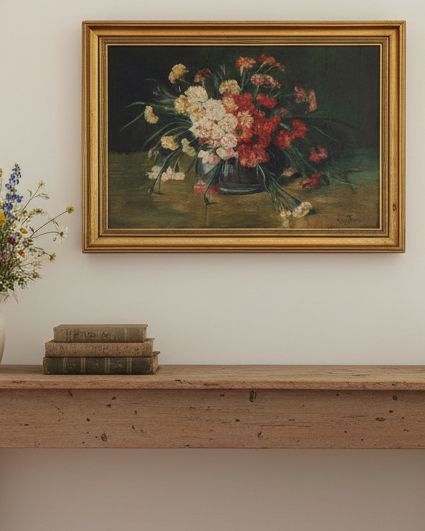
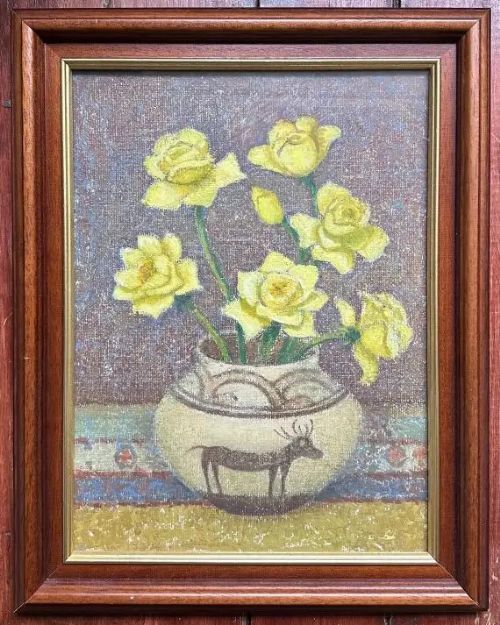
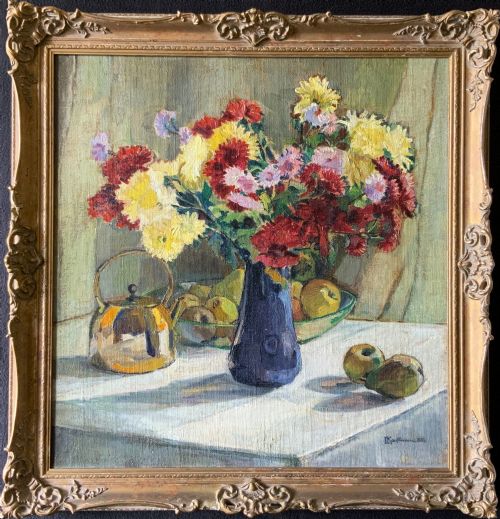
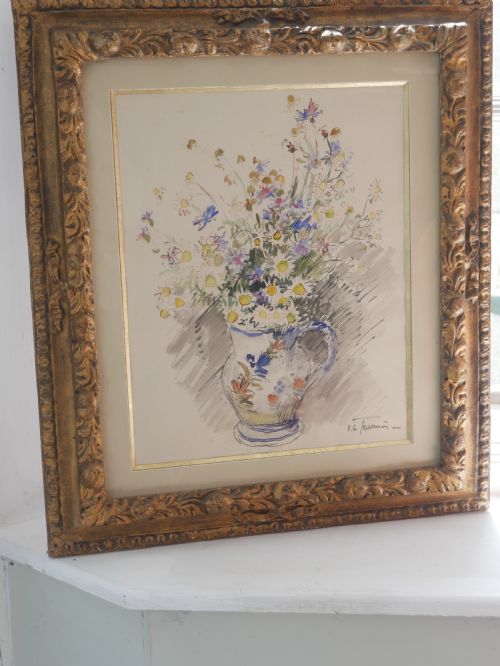
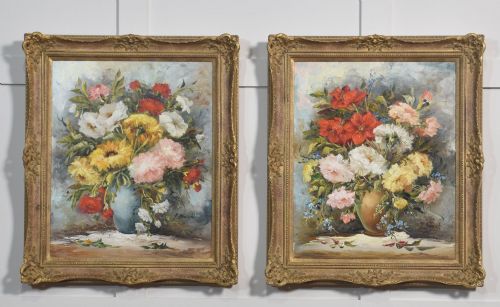
When searching for impressionist flowers, buyers encounter oil paintings, watercolours, and fine art depicting roses, daffodils, and lilies. These works range from late nineteenth century pieces to mid century examples originating in Britain, France, Belgium, and Austria.
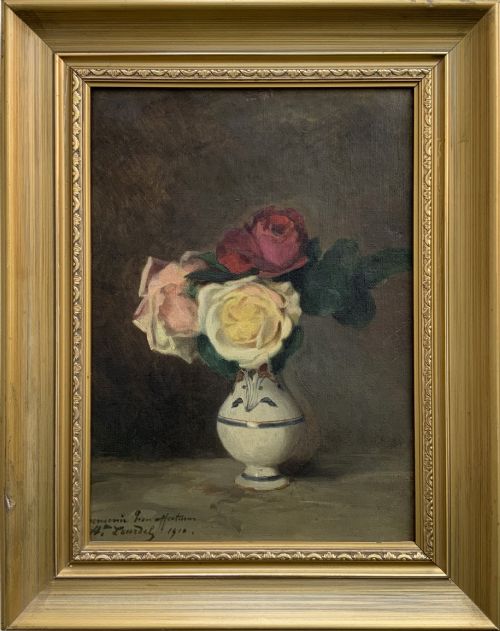
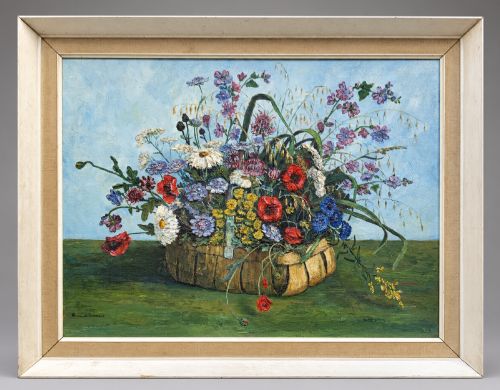
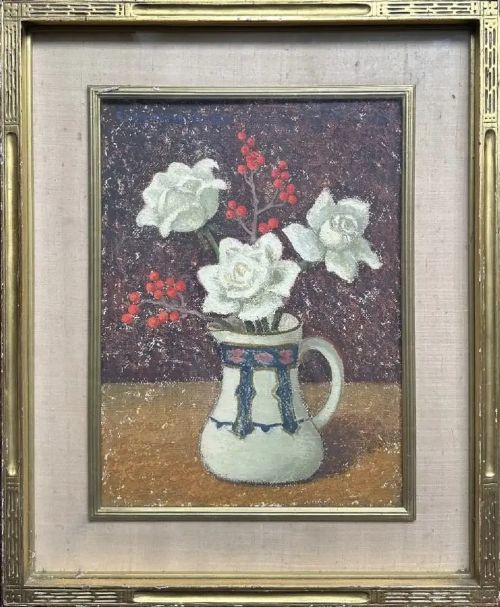
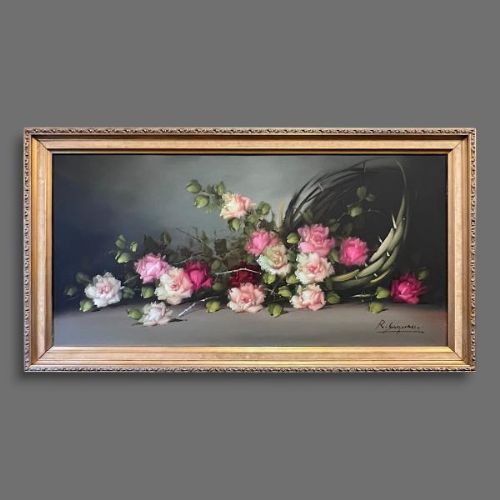
The most common subjects on this page are floral still lifes featuring vases, baskets, and interior settings. Artists record these botanical displays using diverse regional approaches including British Impressionism, French Impressionism, and Post Impressionism.
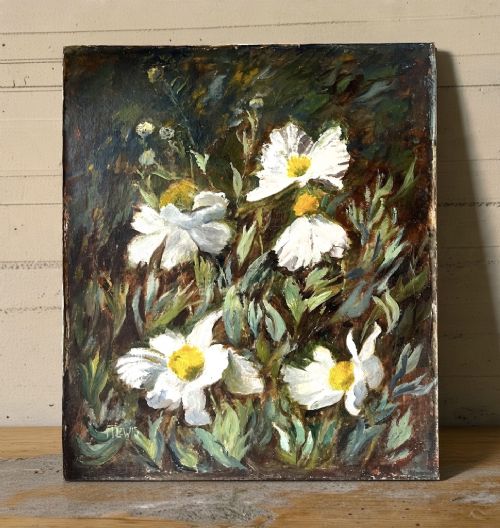
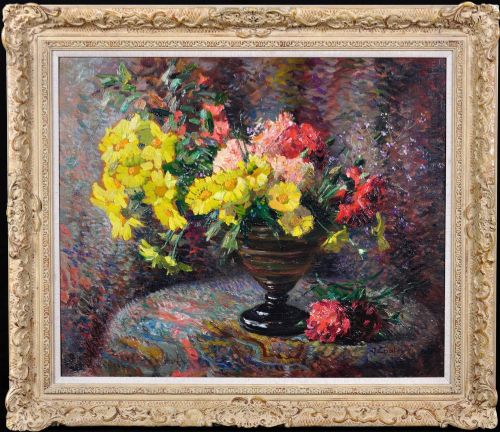
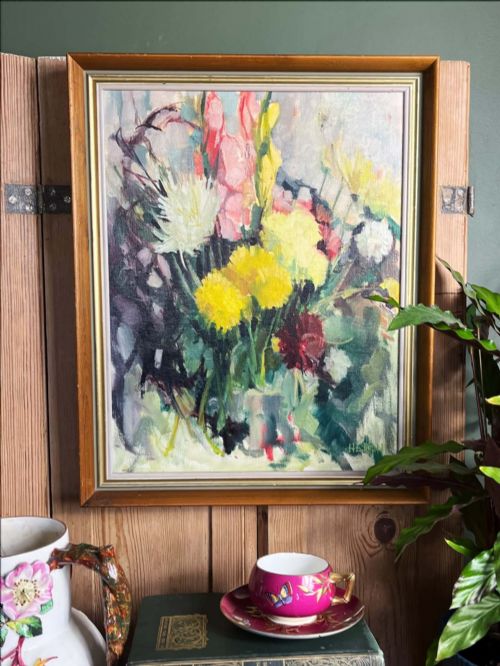
Canvases often present wild flowers, peonies, and chrysanthemums rendered with energetic brushstrokes rather than rigid botanical precision. Many compositions integrate domestic settings, capturing flora alongside everyday interior objects or architectural views.
How they were made
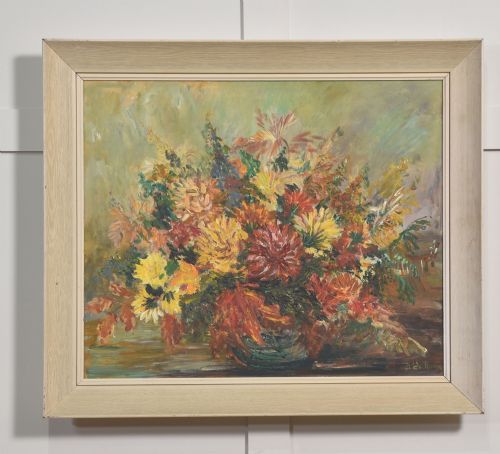
Painters build these floral studies primarily using oil paint applied to canvas or wood board. Many pieces employ impasto techniques to create textured, raised surfaces that catch the light.
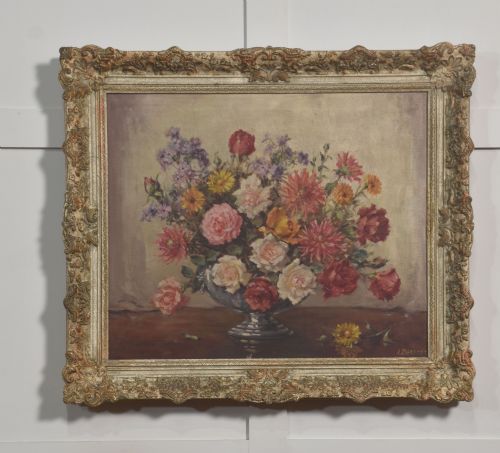
Substantial frames incorporating gilt and gesso frequently accompany these works, providing structural support and historical context. Watercolour paintings on paper also appear alongside the dominant oil mediums.
Impressionist Flowers Retail Price Guide 2026
Typical asking prices for impressionist flowers among the pieces listed under this phrase on Sellingantiques today, from the lower quarter to the upper quarter. They describe what is for sale here now, not the wider market.
Several canvases manage to preserve immortalised vases of summer flowers long after the original petals have turned to dust.
What varies in quality
The strength of a piece relies on the confidence of the brushwork and the management of light across petals and leaves. Superior examples demonstrate a deliberate balance between loose marks and structural clarity within the floral arrangement.
Framing and material preservation distinguish individual works, as original gilt gesso surrounds enhance the historic character of period paintings. Condition of the canvas and stability of the pigment layer further define the longevity of each piece.
Konstantin Stoitzner·Emma Fordyce MacRae·William Watt Milne·Owen Bowen·Maud Frances Eyston Sumner
The Impressionist Flowers Glossary
- Impasto
- Paint applied thickly to a canvas or board, leaving visible brush or palette knife marks that stand proud of the surface. This technique adds tactile depth and dimensionality to floral petals.
- Still life
- A work of art depicting mostly inanimate subject matter, typically commonplace objects which may be either natural or man-made. In this context, it centres on arranged flowers in vases or baskets.
- Gesso
- A plaster mix used as a base coat for fine art materials or moulded to create decorative relief on picture frames. It provides a smooth surface for gilding.
- Post Impressionism
- An artistic movement extending roughly from the late nineteenth century that rejected naturalism in favour of expressive forms. Painters used vivid colours and distinct brushstrokes to portray botanical subjects.
- Watercolour
- Paint consisting of pigment suspended in a water-soluble vehicle, typically applied to paper. This medium creates translucent washes that suit delicate floral studies.
Impressionist Flowers: Frequently Asked Questions
What is impressionist flowers art?
Impressionist flowers art comprises paintings that portray botanical subjects using loose brushwork and atmospheric light effects rather than strict realism. These works focus on the visual impression of colour and movement in gardens and floral arrangements.
Such pieces emerged across various European and American schools from the late nineteenth century through the mid twentieth century. Artists utilised oil and watercolour to capture the fleeting qualities of light upon petals and foliage.
How do I date these paintings?
Dating relies on stylistic markers, artist signatures, and framing materials recorded across the nineteenth and twentieth centuries. Post impressionist and mid century modernist techniques offer clear chronological indicators for specific decades.
Examining the canvas preparation, stretcher bars, and framing styles provides additional physical evidence of a work's age. Many pieces carry inscriptions or signatures that connect directly to known exhibiting artists.
Where should I hang these?
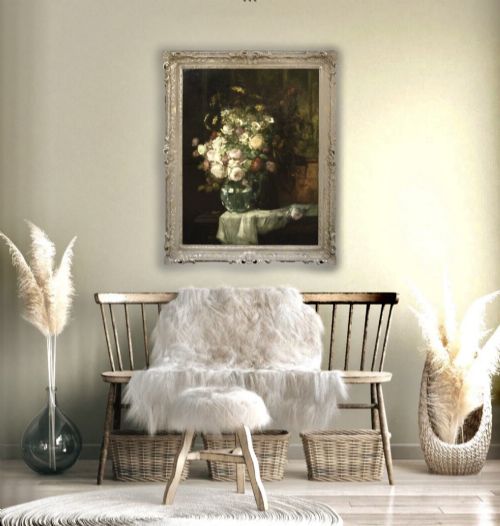
These floral artworks suit domestic interiors seeking natural colour and texture, particularly in living rooms, hallways, or studies. Placing them away from direct sunlight protects the pigments and canvas integrity over time.
Matching the frame style to existing room decor helps integrate antique oil paintings into contemporary or traditional spaces alike. Wall placement should consider eye level viewing heights to appreciate the impasto texture fully.
How were still life flowers arranged?
Painters typically set up domestic floral arrangements inside interior studios utilising vases, wicker baskets, or local pottery vessels. These setups allowed artists to study natural light falling across gathered blooms over extended periods.
Subjects ranged from garden flowers in simple terracotta pots to elaborate arrangements placed near windows or on interior tabletops. This studio practice captured authentic botanical forms within controlled compositional spaces.