


Impressionist Floral Art
Impressionist floral art captures the fleeting beauty of gardens and cut blooms through loose brushwork and vibrant light.
Impressionist Floral Art
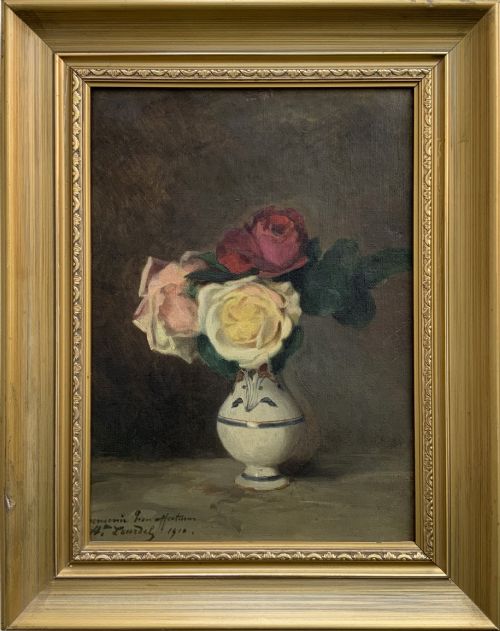
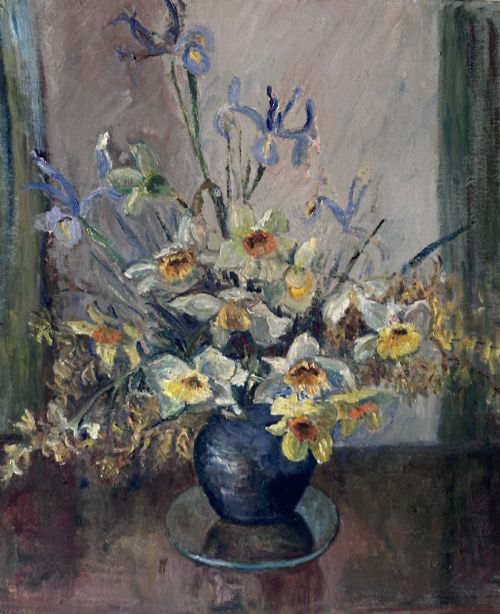
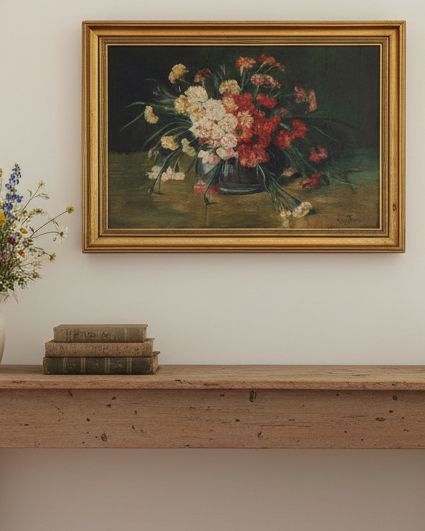
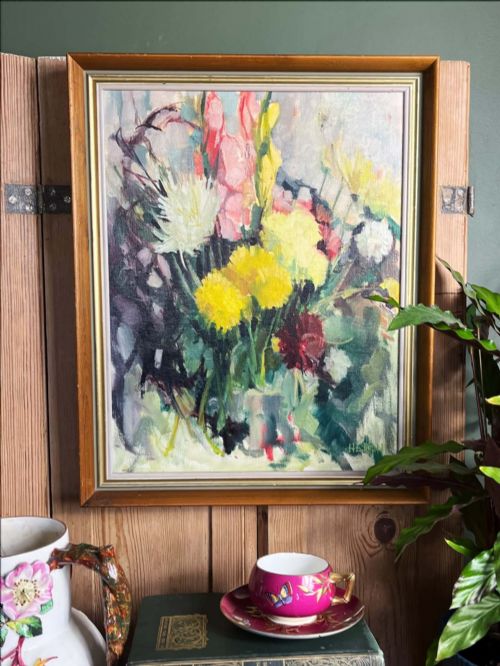
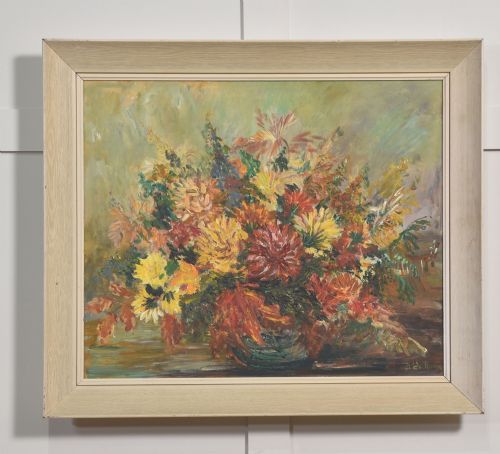
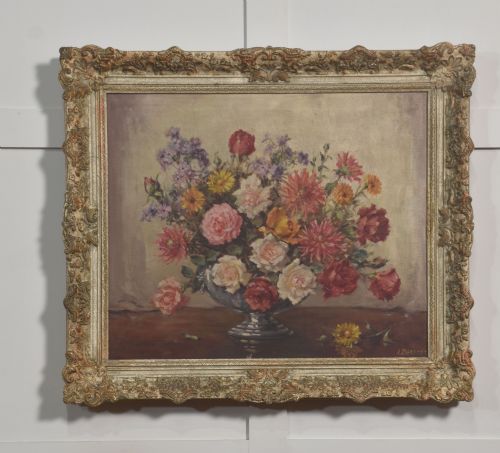
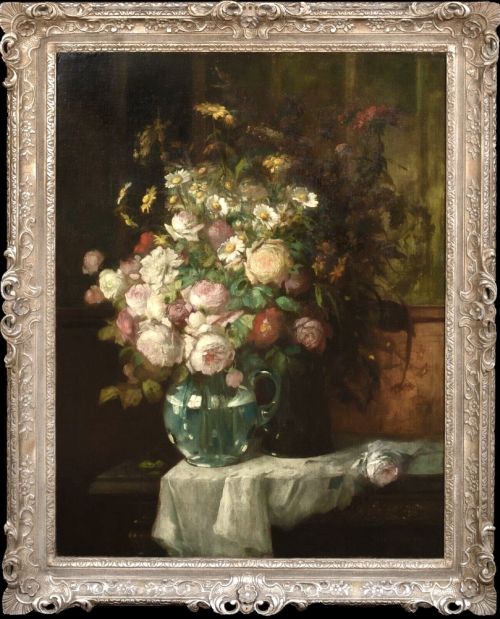
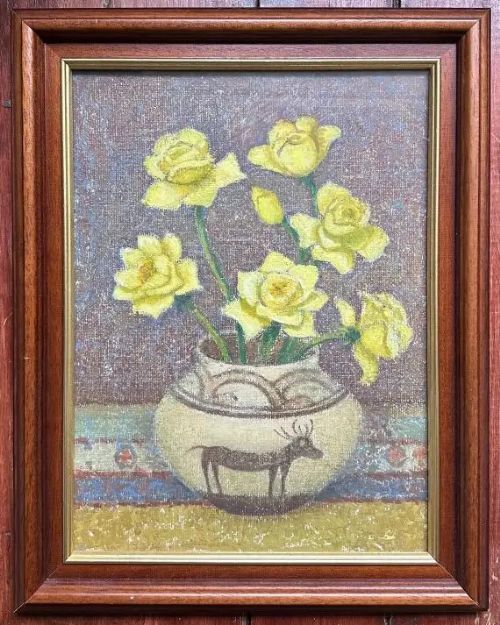
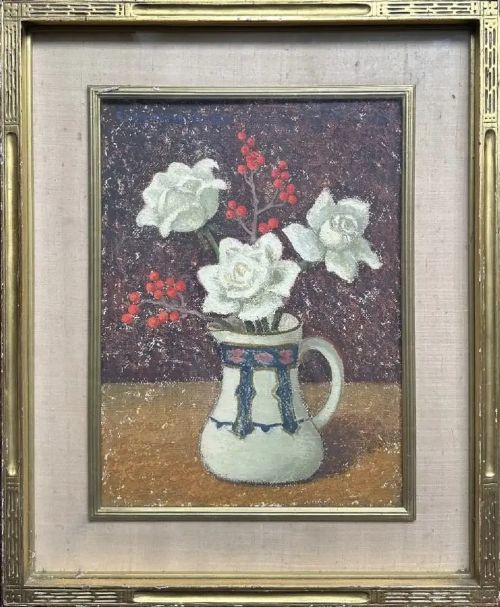
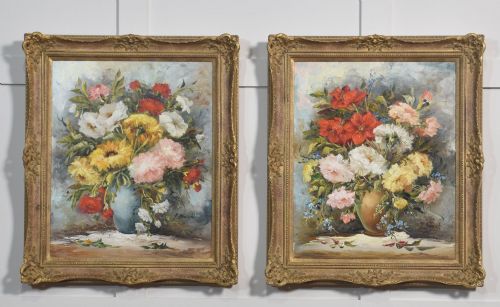
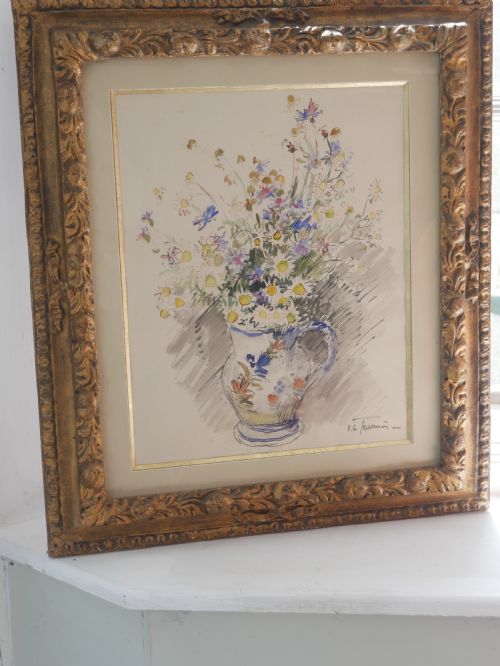
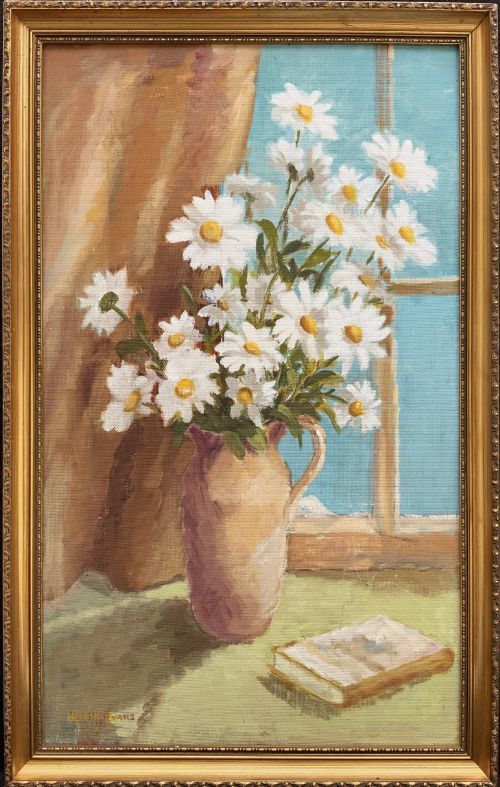
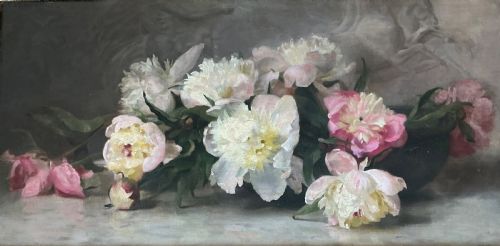
Impressionist floral art encompasses oil paintings, watercolours, and mixed media works focusing on flowers, vases, and garden scenes. These pieces capture transient effects of light on petals and foliage using expressive rather than hyper-realistic brushstrokes.
The selections available range from nineteenth-century academic studies to mid-century modern interpretations. Works span British, American, Austrian, and Belgian traditions, frequently presenting domestic still lifes or outdoor garden settings.
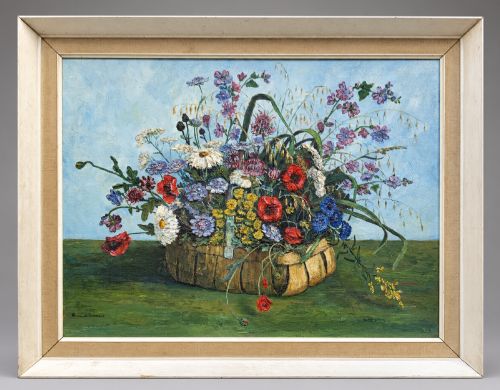
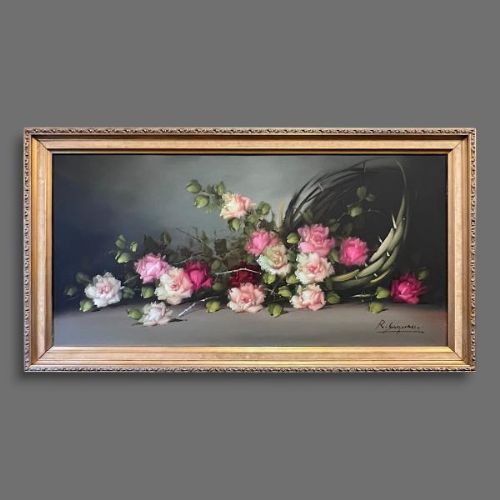
Buyers encounter subjects varying from simple jars of daisies and summer roses to complex arrangements in wicker baskets and pottery pots. The scale stretches from intimate cabinet pieces to large decorative canvases suitable for prominent wall display.
Materials and technique
Artists typically applied oil paint onto stretched canvas or wooden board, occasionally utilising paper, gouache, or watercolour. Oil paint allowed layers of pigment to build rich textures, particularly when applied with loaded brushes or palette knives to render thick impasto on flower petals.
Support materials like canvas and board received primed grounds before painting, which helped preserve luminous colour values over decades. Frames often incorporate gilt wood or moulded gesso, completing the presentation of the period.
Impressionist Floral Art Retail Price Guide 2026
Typical asking prices for impressionist floral art among the pieces listed under this phrase on Sellingantiques today, from the lower quarter to the upper quarter. They describe what is for sale here now, not the wider market.
Several canvases capture persistent house dust trapped in wet paint by artists who clearly worked outdoors among enthusiastic garden insects.
Assessing quality and execution
Quality rests upon the artist's handling of light, colour harmony, and compositional confidence. Superior works demonstrate an energetic yet controlled command of tone, where loose marks successfully evoke the structure and vitality of living plants.
The sensitivity of colour relationships separates standard decorative painting from exceptional artistic achievement. Strong pieces reveal deliberate choices in background hues and shadow tones that make the floral subject vibrate with natural illumination.
I. Berezny·Emma Fordyce MacRae·Victor Simonin·Owen Bowen·Sir Matthew Smith
The Impressionist Floral Art Glossary
- Impressionism
- A nineteenth-century painting style characterised by relatively small, thin, yet visible brush strokes and an emphasis on accurate depiction of light. This approach prioritises overall visual effect over fine detail.
- Still life
- A work of art depicting mostly inanimate subject matter, typically commonplace objects which may be either natural or man-made. In this context, the focus centres on cut flowers, vases, and botanical displays.
- Impasto
- The process or technique of laying on paint or gesso so that it stands out in relief from a canvas or ground. Artists utilise this method to give physical depth to petals and stems.
- Gesso
- A plaster mix used as a coating for a substrate such as wood or canvas before painting. It provides a smooth, stable surface for oil pigments.
- Provenance
- The chronology of the ownership or location of a historical object. Documented origins help confirm attribution to listed painters.
Impressionist Floral Art: Frequently Asked Questions
What defines impressionist floral art?
These works focus on capturing light and atmosphere rather than botanical precision. Artists use loose, visible brushwork to render flowers and garden scenes dynamically.
Subjects usually include vases of summer flowers, potted plants, and outdoor garden vistas painted from the nineteenth to the mid-twentieth century.
How do I display these paintings?
Hang them in spaces with stable humidity away from direct sunlight to protect organic canvas fibres and oil pigments. Pairing the piece with traditional gilt frames enhances the period character.
Consider eye-level placement in living areas or studies where the vibrant brushwork can be appreciated closely.
Are watercolours common in this style?
Watercolours and gouache appear alongside oil paintings across the inventory. These works on paper offer a lighter, more translucent interpretation of floral subjects.
Proper framing behind protective glass ensures these delicate works remain safe from environmental moisture and dust.
How can I tell periods apart?
Nineteenth-century works tend toward darker, tonal backgrounds with academic precision, while early twentieth-century pieces adopt brighter palettes influenced by French movements. Mid-century examples introduce bolder colours and abstracted forms.
Examining the canvas preparation, stretcher bars, and framing style also helps determine the approximate age of an unlabelled painting.