



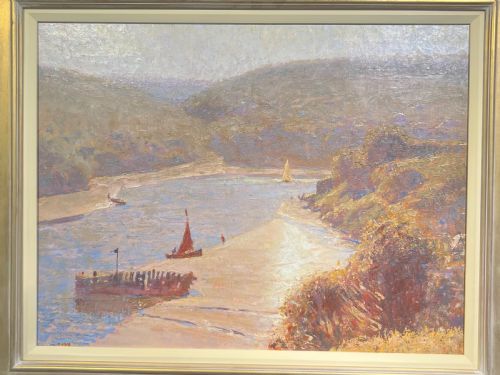


Impressionist Coastal Wall Art
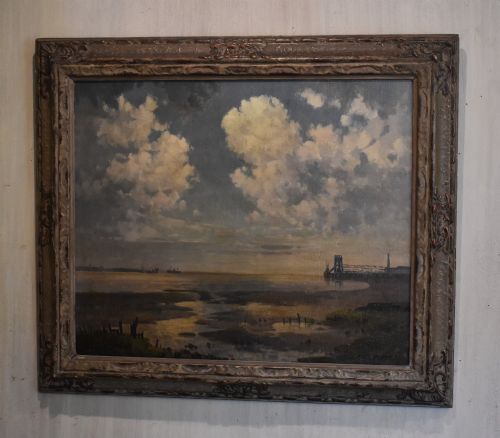
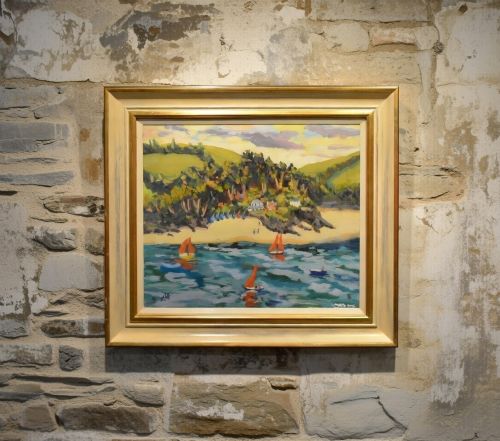
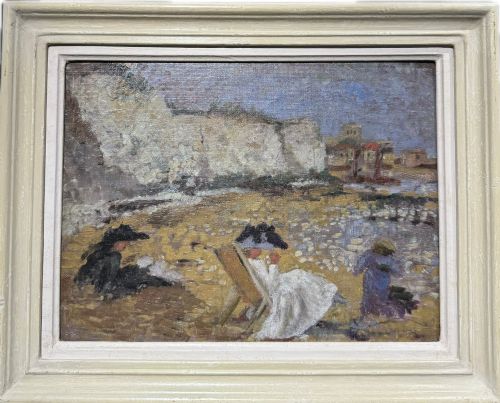
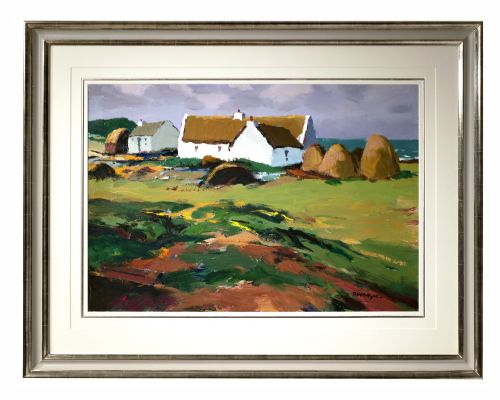
Impressionist coastal wall art captures the shifting light and atmosphere of harbours and shores through loose brushwork and vibrant pigments.
Impressionist Coastal Wall Art
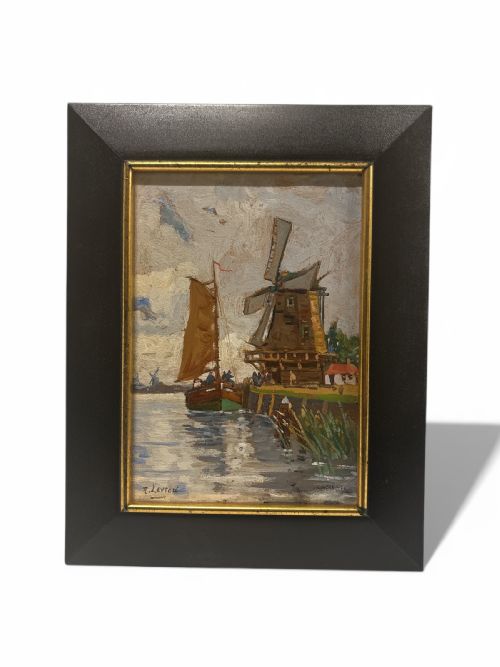
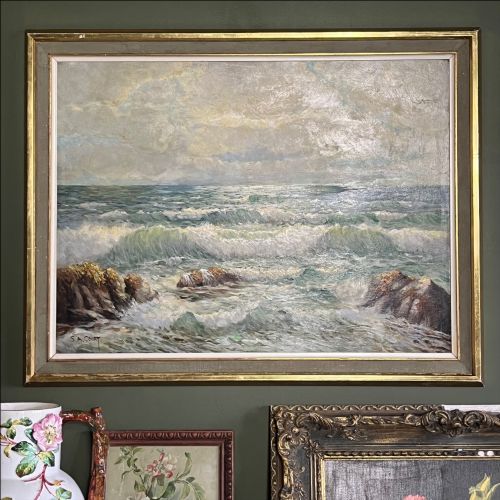
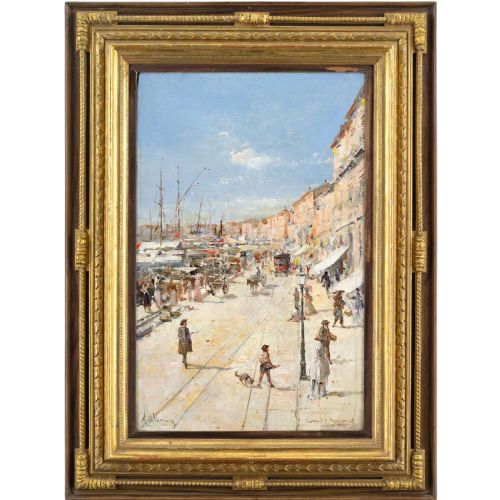
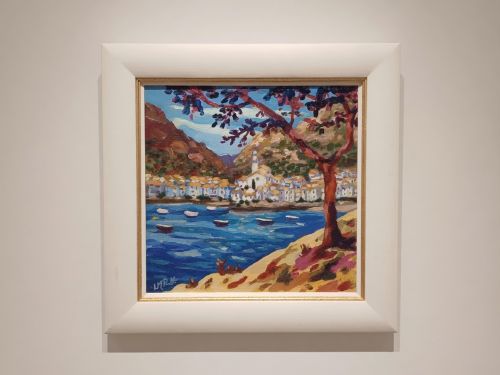
Impressionist coastal wall art encompasses paintings that record maritime views, sandy shores, and harbour life through the lens of late nineteenth and twentieth-century aesthetic movements. These works emerge from regional hubs such as Cornwall and Normandy, alongside Mediterranean and British coastal locations.
The dominant forms on this page are oil paintings and watercolours rendered on canvas, board, or paper. Artists capture scenes en plein air, focusing on transient effects of weather and illumination upon water and cliffs.
Makers span diverse nationalities, including British, French, and Canadian painters working from the Edwardian era through the mid-century decades. Collectors encounter both named artists associated with schools like Newlyn and anonymous works executed in a distinct regional manner.
What varies in quality
Quality rests upon the artist's handling of light and pigment structure, where confident brushwork conveys movement and depth without overworking the surface. Superior examples demonstrate a precise tonal balance that makes the atmosphere of the harbour or cliffside tangible.
The integrity of the original support and pigment layer dictates preservation, with stable oil on canvas or board outlasting unstable repairs. Retaining the period frame enhances the historical context of the piece.
Mediums span traditional oil paint and watercolour, capturing subjects from Cornish harbours to the Mediterranean.
William Banks Fortescue·Sidney A Court·Clive Browne·Paul Bret·Donald McIntyre·Cecil Allan Mould·Erich Mercker·Raymond Moritz·Joseph Edward Hennah·Louis Suire·Gyrth Russell·Jean Baptiste Olive·William Lee Hankey·Edward Seago·Herbert Royle·William Greaves·Owen Bowen·Ernest F Hill·Sir David Murray·Jeffrey Pratt·Roger de la Corbiere·Frederick William Hattersley·Edward Matthew Elliott
The Impressionist Coastal Wall Art Glossary
- En plein air
- Painting outdoors directly from nature to capture immediate lighting effects. This method defines much of the coastal work produced during the period.
- Impasto
- Paint applied thickly to a surface, standing out in relief. Artists utilise this technique to give tactile weight to waves and clouds.
- Watercolour
- A paint consisting of water-soluble pigments used on paper. It offers translucent washes well suited to misty maritime atmospheres.
- Canvas
- Woven fabric stretched across a wooden frame to serve as a painting surface. It provides flexibility and texture for oil applications.
Impressionist Coastal Wall Art: Frequently Asked Questions
What defines impressionist coastal art?
These works focus on capturing atmospheric effects, loose brushwork, and natural light rather than rigid topographical precision.
Subjects typically include harbours, sailing vessels, cliffs, and beach scenes painted across various European and British coastal regions.
Where were these coastal scenes painted?
Artists travelled to active fishing ports and seaside resorts in Cornwall, Normandy, the Mediterranean, and other coastal locales.
Many painters worked directly on location to record the specific quality of maritime light.
How do I identify the period of a painting?
Stylistic markers, framing techniques, and artist biographical dates provide the primary clues for dating a work.
Mid-century pieces often display bolder textures and brighter palettes compared to quieter Edwardian watercolours.
How should I care for these paintings?
Keep works away from direct sunlight and fluctuating humidity to protect canvas, board, and pigment layers.
Avoid using liquid cleaners on the painted surface and consult a professional conservator for any restoration.