





Hunting Wall Panel
A hunting wall panel brings the historic sporting tradition straight into a room, offering rich woodwork, woven tapestries and dramatic oil paintings.
Hunting Wall Panel
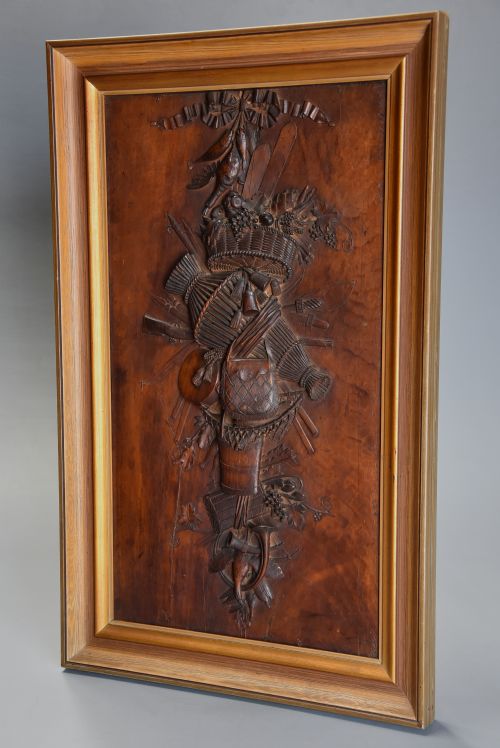
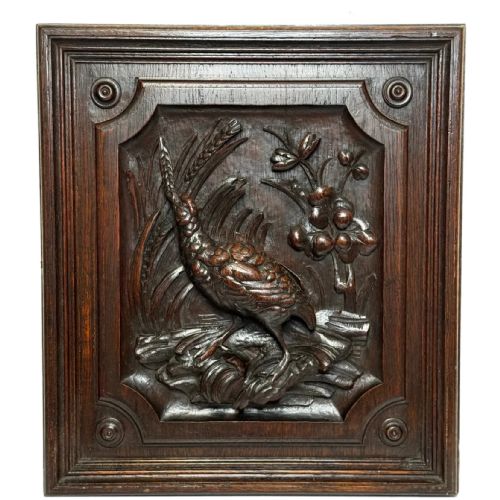
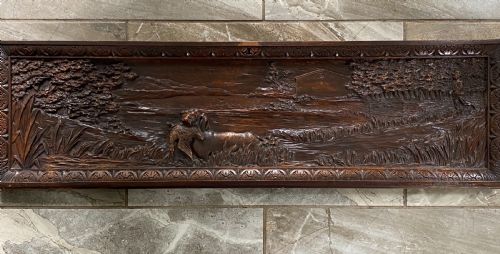
A hunting wall panel covers a broad range of decorative and functional items designed around sporting themes, featuring carved woodwork, tapestries, oil paintings and taxidermy mounts. Buyers seeking a hunting wall panel will encounter pieces spanning from the seventeenth century through to the twentieth century, reflecting diverse European craftsmanship.
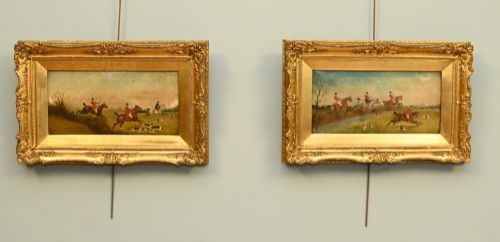
The selection on this page leans heavily towards carved oak and walnut panels, French and Flemish tapestries, and traditional sporting oil paintings. These works capture scenes of hounds, game birds, horses and traditional field sports suited for studies, halls and libraries.
Materials and construction methods
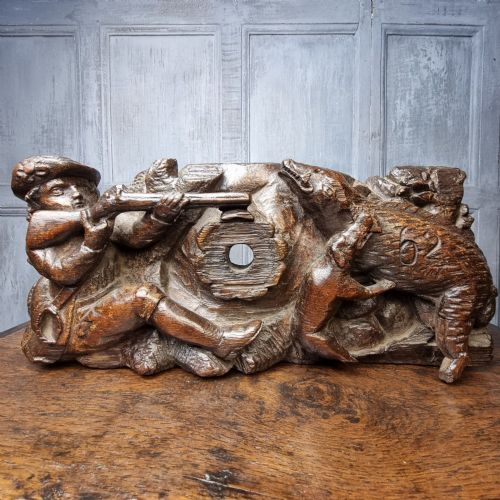
Carved timber pieces utilise dense hardwoods like oak, walnut and fruitwood, shaped with deep relief carving techniques to depict wildlife and sporting trophies. Artisans worked the wood by hand to create layered dimensionality, seen particularly in Black Forest panels and Gothic revival architectural elements.
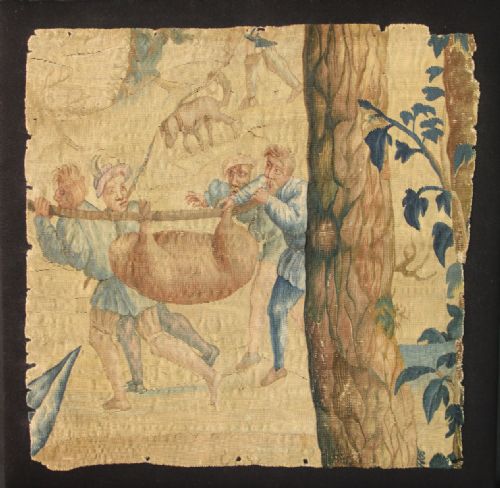
Textile works combine wool and cotton in woven tapestries or early needlepoint panels, while other decorative items incorporate oil on panel, gesso and gold leaf. Glass wall decorations utilise modern techniques such as sandblasting and engraving alongside illumination.
Hunting Wall Panel Retail Price Guide 2026
Typical asking prices for hunting wall panel among the pieces listed under this phrase on Sellingantiques today, from the lower quarter to the upper quarter. They describe what is for sale here now, not the wider market.
Periods represented span the seventeenth century, Victorian era, 1870, 1880, 1920 and 1940.
Assessing craftsmanship and execution
Quality rests upon the depth and precision of the carving or the intricacy of the textile weave. Superior timber panels show crisp undercutting, expressive animal anatomy and confident tool marks, whereas lesser examples rely on shallow stamping or mechanical finishing.
Material selection and preservation also dictate standing, with dense old-growth oak, fine fruitwood and well-preserved wool retaining their structural integrity and surface texture far better over centuries of display.
The Hunting Wall Panel Glossary
- Relief carving
- A sculptural technique where figures project from a flat background. This method defines the three-dimensional depth seen on wooden animal and trophy panels.
- Tapestry
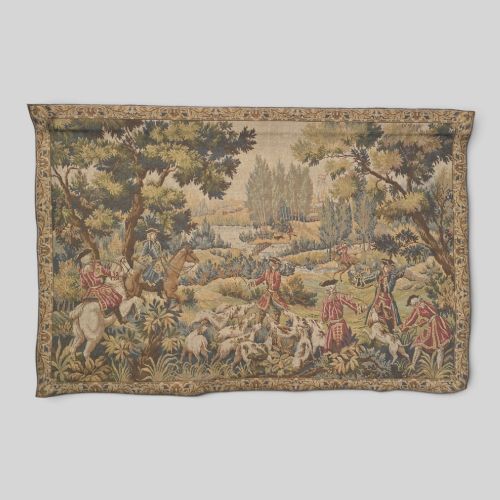
- A form of textile art woven on a vertical loom using coloured threads. These large wall hangings frequently depict historical hunting scenes and pastoral landscapes.
- Black Forest
- A style of wood carving originating from the German region known for realistic wildlife depictions. Pieces often feature bears, dogs and stags rendered in deep walnut or oak.
- Needlepoint
- A type of canvas work embroidery stitched by hand. Early panels employ this technique to create detailed pictorial hunting imagery.
- Pugin design
- An architectural and decorative style inspired by Gothic revival principles. This aesthetic influences heavily carved Victorian oak woodwork.
Hunting Wall Panel: Frequently Asked Questions
What is a hunting wall panel?
A hunting wall panel is a decorative artwork or architectural element celebrating field sports, wildlife and canine pursuits. These pieces range from deep wood carvings to woven textiles and oil paintings.
They were traditionally commissioned to adorn the walls of lodges, manors and country houses. Today, they serve as striking focal points in rooms favouring traditional or rustic interiors.
How do I hang a heavy wooden panel?
Heavy wooden carvings and taxidermy racks require secure wall anchoring into structural studs or masonry. Using appropriate metal brackets or French cleats ensures the weight distributes safely.
Consulting a professional installer is recommended for particularly large walnut or oak sculptures to protect both the artwork and the wall.
How should I clean my antique tapestry?
Antique tapestries and needlepoint panels benefit from gentle surface dusting with a soft brush or low-suction vacuum through a protective mesh screen. Avoid harsh chemical cleaners and direct sunlight to preserve the wool and cotton fibres.
Professional textile conservators should handle deep cleaning or structural repairs to prevent damage to the historic weave.
What periods do these pieces come from?
The pieces span multiple centuries, ranging from seventeenth-century Flemish and oak works through to Victorian and Art Deco creations. Each era brings distinct materials and regional carving styles to the selection.
Twentieth-century additions include illuminated glass decorations and mid-century tapestries, broadening the aesthetic range beyond traditional timber.