





Hungarian Country Furniture
Hungarian country furniture brings robust pine seating and storage into modern homes, offering authentic folk character from the Georgian and Victorian eras.
Hungarian Country Furniture
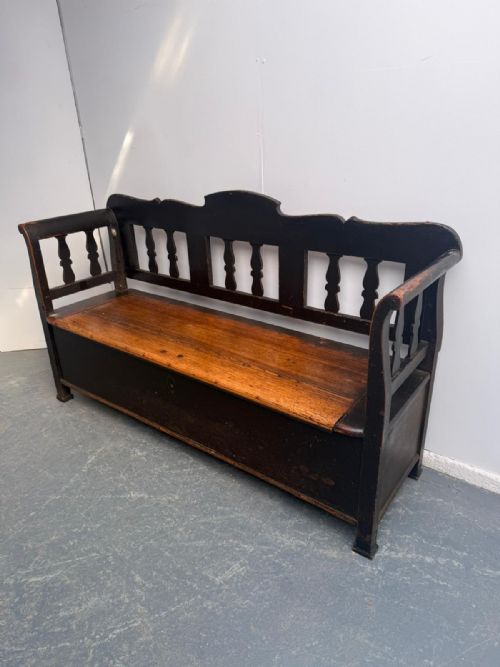
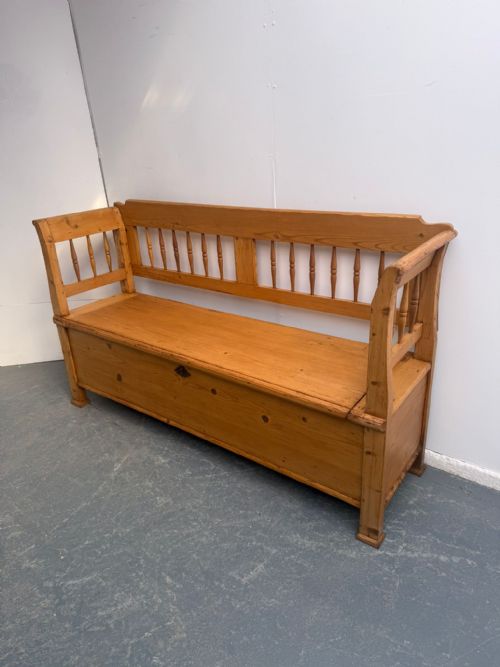
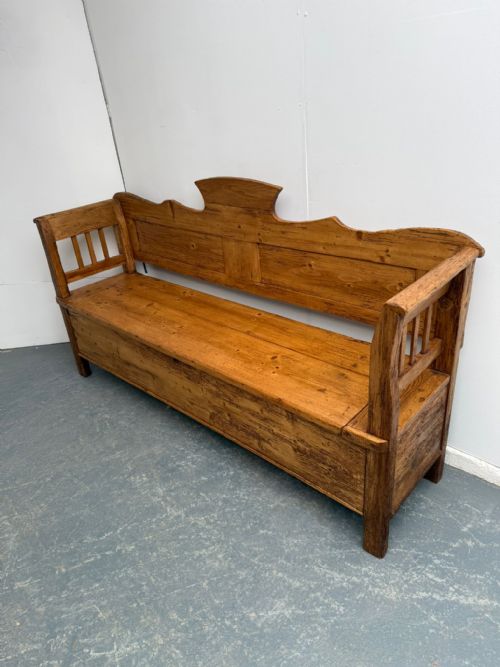
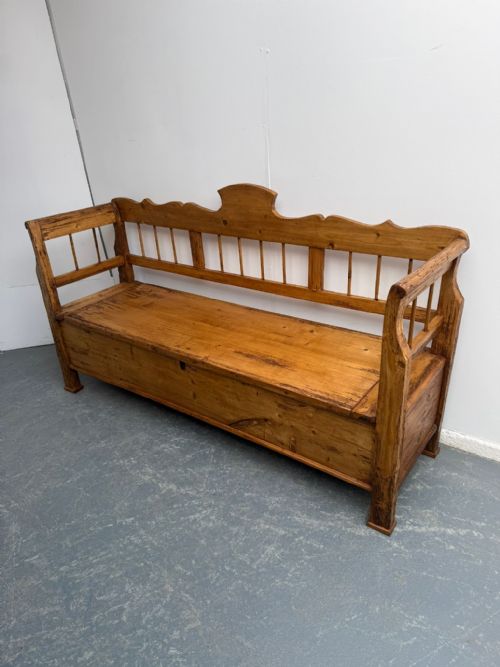
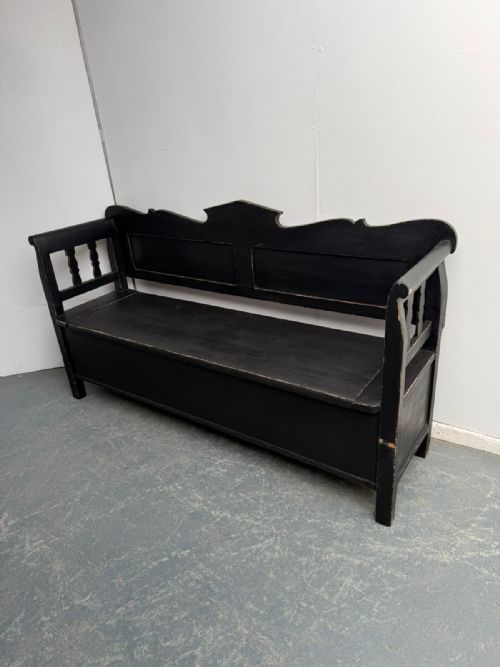
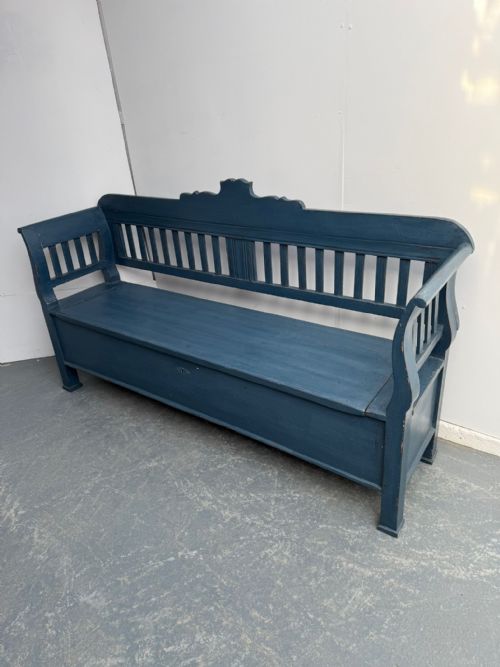
Hungarian country furniture encompasses utilitarian domestic pieces created for rural European households, spanning periods from the Georgian and Victorian eras through to the late nineteenth century. When searching for Hungarian country furniture, buyers most frequently encounter seating such as settles, benches, and folk chairs alongside storage forms like chests of drawers, kitchen dressers, and wardrobes.
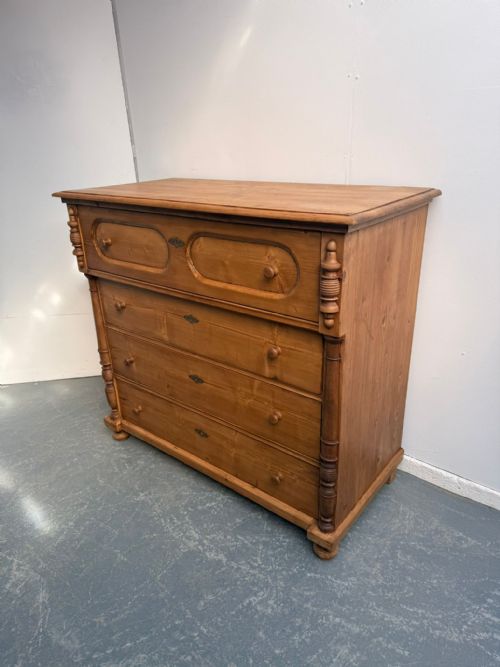
The objects serve robust, everyday functions within the home, ranging from multi-seater box settles designed to retain warmth near hearths to substantial five-drawer chests and narrow oak coffee tables. These domestic survivors reflect distinct regional aesthetics, incorporating styles such as European folk art, rustic farmhouse, and country primitive traditions.
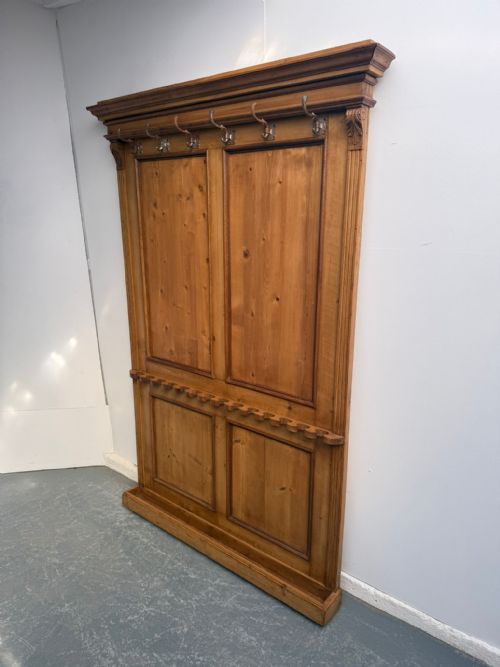
Surviving examples span several distinct object types, including kitchen dressers, hall wardrobes, hall stands, and low coffee tables adapted from earlier forms like pig benches. The predominant materials and finishes display a clear vernacular utility, connecting contemporary interiors directly with nineteenth-century rural craftsmanship.
How They Were Made
Makers constructed these pieces primarily using solid pine, alongside occasional hard woods, oak, and mixed metals such as iron, brass, and ceramic details. Construction relied on straightforward joinery suited to domestic utility, producing sturdy frames designed to endure heavy daily use in rural farmhouses and village homes.
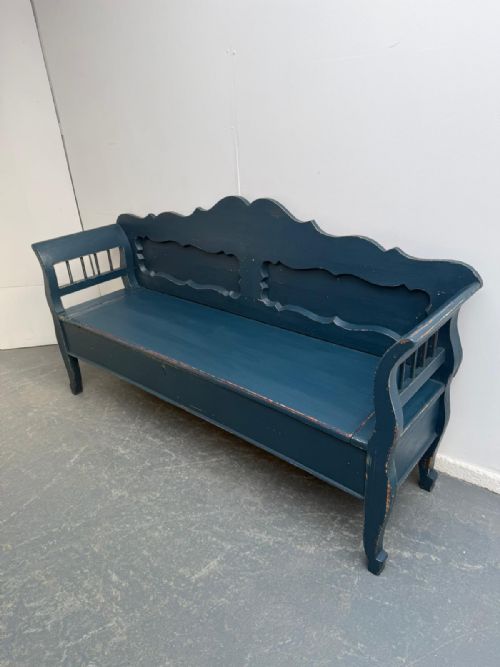
Surfaces received either a natural waxed finish to highlight the grain of the antique pine or vibrant layers of paint in black, blue, green, grey, cream, and teal. This painted decoration frequently aligns with Hungarian folk art traditions, preserving original pigments that distinguish regional domestic pieces.
Several low benches listed began their working lives serving agricultural tasks before finding retirement as narrow coffee tables.
What Varies in Quality
Quality in these rural pieces rests upon the survival of original surface treatments, whether patinated wax or early layers of coloured paint. Pieces retaining their authentic pigment schemes or untreated waxed pine present a higher grade of historical integrity compared to those stripped or altered later.
Proportion and structural retention also separate standard items from superior examples, such as large five-drawer chests with columned details or multi-seater box settles with spindled galleries. The presence of original hardware, iron fittings, and untouched joinery determines the standing of each piece within its type.
The Hungarian Country Furniture Glossary
- Settle
- A wooden bench with a high back, solid arms, and often a box base intended to block draughts. These pieces provided communal seating near the hearth in rural homes.
- Pine
- A soft timber widely utilised for domestic furniture due to its abundance and ease of working. It forms the primary structural material for the majority of these pieces.
- Folk Art
- Artistic expression rooted in traditional community culture rather than academic training. Hungarian examples incorporate distinctive painted motifs and regional decorative schemes.
- Waxed
- A surface finish applied to nourish and protect timber while developing a soft sheen over decades of handling. This treatment preserves the natural tone of the antique pine.
- Dresser
- A multi-piece kitchen storage unit combining lower cupboards or drawers with upper shelving. These functional items dominated rural dining spaces.
Hungarian Country Furniture: Frequently Asked Questions
What is a box settle?
A box settle is a wooden bench featuring a high back and a concealed storage compartment beneath the seat. The enclosed base originally served to keep feet elevated above cold stone floors while storing household blankets.
These versatile seats anchored the living spaces of rural homes, providing both communal seating and practical storage. Their solid construction made them durable fixtures near the hearth.
How do I identify painted folk furniture?
Painted folk furniture displays traditional pigments like blue, green, cream, or black applied directly to pine substrates. These decorative finishes often reflect regional Hungarian styles and European folk art traditions.
Examining the surface reveals authentic wear patterns and layers that indicate age. Original paint schemes distinguish these vernacular pieces from later decorative revivals.
Where were these pieces used?
These items originated in rural Hungarian households, serving utilitarian purposes in kitchens, hallways, and living quarters. Large dressers housed tableware, while chests of drawers and wardrobes managed family textiles.
Smaller forms, such as coffee tables adapted from pig benches, functioned around the working farm. Their robust construction ensured they could withstand the demands of daily agricultural life.
How do I care for waxed pine?
Waxed pine requires gentle maintenance using traditional beeswax to nourish the dry timber and preserve the historic finish. Avoid placing these pieces near direct heat sources to prevent the wood from splitting.
Regular, light buffing maintains the soft sheen developed over generations of use. This simple upkeep protects the underlying material without altering the patinated surface.